

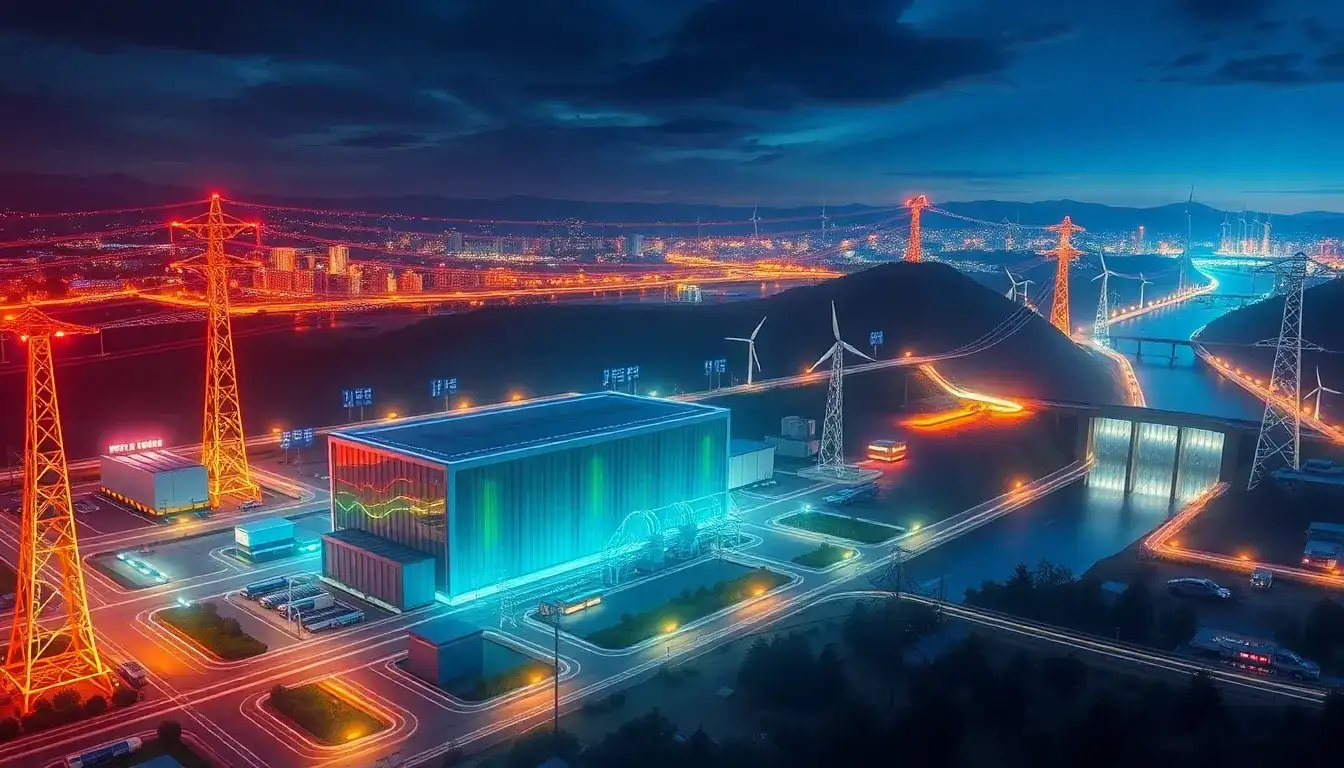
Energy storage systems play a crucial role in enhancing grid stability by addressing several key challenges associated with the integration of renewable energy sources into the electrical grid. Here are the primary ways energy storage systems improve grid stability:
How Energy Storage Systems Improve Grid Stability
1. Balancing Supply and Demand
Energy storage systems help balance the supply and demand of electricity by storing energy during periods of surplus production (e.g., when solar or wind power is abundant) and releasing it during periods of high demand or low renewable generation. This balancing act is essential for maintaining a consistent energy supply.
2. Stabilizing Frequency and Voltage
These systems stabilize the grid frequency and voltage by injecting or absorbing power as needed. This maintains the grid’s frequency within its required range (e.g., 50Hz or 60Hz), preventing equipment damage and outages. Voltage stability is also crucial to protect sensitive electrical equipment and ensure a steady supply of electricity.
3. Providing Backup Power
Energy storage systems can serve as backup power sources during emergencies or outages, ensuring critical infrastructure remains operational. This capability enhances grid reliability and resilience.
4. Load Shifting and Peak Shaving
By storing energy during off-peak hours and discharging it during peak demand times, energy storage systems can reduce the strain on the grid and lower the need for expensive peak-load generation. This practice helps manage peak electricity demand more efficiently.
5. Integration with Renewable Energy
Energy storage systems facilitate the integration of renewable energy sources by smoothing out their intermittent nature. This allows for a greater inclusion of solar and wind power into the grid, reducing reliance on fossil fuels and lowering greenhouse gas emissions.
6. Modernizing Grid Infrastructure
The integration of energy storage with smart grid technologies enhances grid efficiency and sustainability. Smart grids use advanced communication systems to optimize electricity distribution and consumption, further improving grid reliability and flexibility.
7. Decentralized and Hybrid Solutions
Decentralized energy storage systems and hybrid energy systems (combining different storage technologies with renewable sources) offer increased flexibility and resilience. These solutions can support localized energy management, reducing the need for extensive transmission infrastructure and enhancing community resilience.
In summary, energy storage systems are indispensable for improving grid stability by addressing intermittency, enhancing supply-demand balance, stabilizing grid parameters, providing backup power, managing peak demand, and supporting the integration of renewable energy into modern, efficient grid systems.
Original article by NenPower, If reposted, please credit the source: https://nenpower.com/blog/how-do-energy-storage-systems-improve-grid-stability/

