

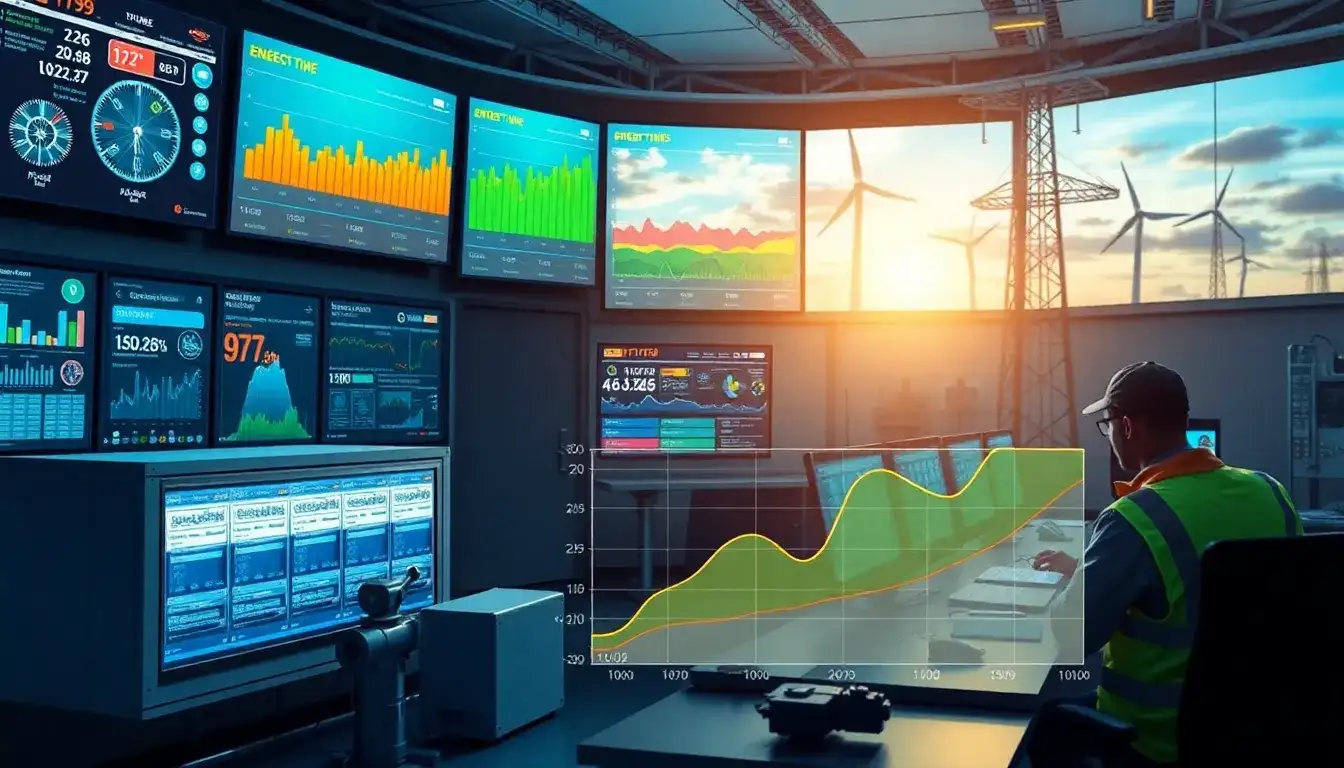
Energy storage systems play a crucial role in helping utilities manage peak demand effectively. Here’s how these systems contribute:
Key Benefits of Energy Storage Systems
- Peak Shaving and Demand Reduction:
- Peak Shaving: Energy storage systems, particularly battery systems, are used to store energy during off-peak hours when demand is low. This stored energy is then released during peak hours to reduce the strain on the grid.
- Reduced Grid Strain: By providing a buffer during peak demand periods, energy storage systems help prevent overloads that could lead to grid instability or even blackouts.
- Integration of Renewable Energy:
- Stabilizing Variable Renewables: Energy storage can compensate for the intermittency of renewable sources like solar and wind by storing excess energy produced during favorable conditions to be used during peak demand or periods of low renewable generation.
- Economic and Environmental Benefits:
- Lower Peak Energy Costs: By reducing the need for utilities to purchase electricity at higher rates during peak hours, energy storage helps lower electricity costs for both utilities and consumers.
- Increased Use of Renewables: Energy storage enables a higher penetration of renewable energy sources by mitigating their intermittency, which supports environmental goals by reducing reliance on fossil fuels.
- Grid Stability and Reliability:
- Improved Grid Resilience: Energy storage systems can quickly respond to changes in energy supply and demand, ensuring grid stability and maintaining power quality.
Types of Energy Storage Systems Used
- Battery Energy Storage Systems (BESS): Typically lithium-ion batteries, these are widely used due to their efficiency, rapid response time, and flexibility in both small-scale and grid-scale applications.
- Other Forms of Energy Storage: While battery systems are prevalent, other forms like pumped hydro storage also contribute significantly to peak demand management, though their deployment is often site-specific.
Overall, energy storage systems are critical for modernizing the grid, enabling a more efficient and resilient energy supply that aligns with both economic and environmental sustainability goals.
Original article by NenPower, If reposted, please credit the source: https://nenpower.com/blog/how-do-energy-storage-systems-help-utilities-manage-peak-demand/

