

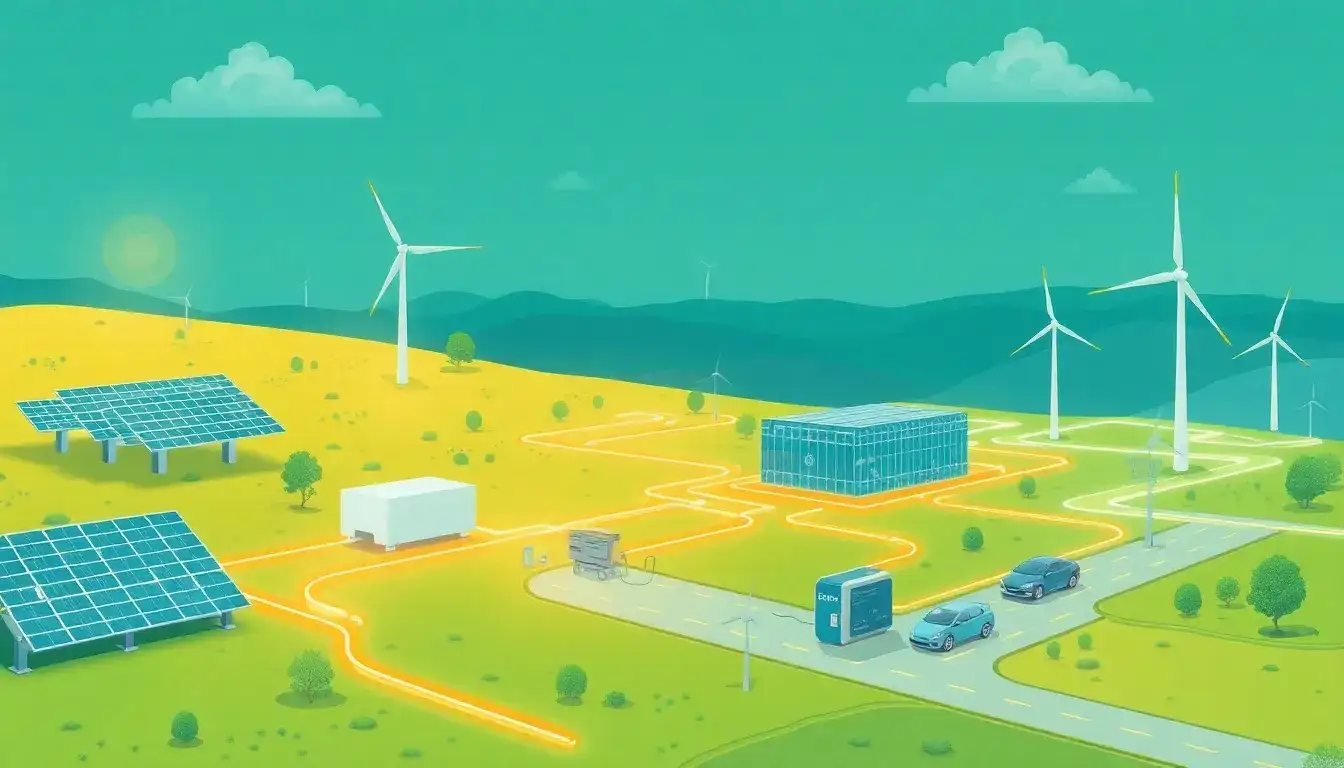
Energy storage systems play a crucial role in mitigating the intermittency of renewable energy sources, such as wind and solar power. These sources are unpredictable and variable, producing energy only when wind is blowing or sunlight is available. Energy storage systems can store excess energy generated during periods of high production and release it when needed, thereby stabilizing the grid and ensuring a consistent supply of electricity.
How Energy Storage Systems Help
1. Storing Excess Energy
- During Off-Peak Hours: Energy storage systems like batteries can store excess energy produced by wind turbines or solar panels during periods of low demand. This stored energy can then be released when demand increases or when renewable sources are not generating electricity.
- Types of Storage: Various technologies are being used, including lithium-ion batteries, vanadium redox-flow batteries, and even recycled electric vehicle batteries. These technologies offer different capacities and efficiencies, suitable for various applications.
2. Grid Stability and Reliability
- Demand Response: By storing energy, these systems help manage peak demand periods, reducing strain on the grid and ensuring that power is always available. This capability is critical for maintaining grid reliability and stability.
- Load Shifting: Energy storage enables load shifting, where energy stored during off-peak hours is used during peak hours, thereby optimizing the use of renewable energy.
3. Economic and Operational Benefits
- Market Opportunities: Battery energy storage systems (BESS) can take advantage of market price differences between peak and off-peak hours. Charging during cheaper off-peak hours and discharging during more expensive peak hours can generate revenue.
- Revenue Stacking: Utility-scale BESS participate in ancillary services like frequency control and capacity auctions, diversifying revenue streams and enhancing economic viability.
4. Segmented Market Applications
- Utility-Scale: Large installations (>10 MWh) primarily support grid operations and renewable integration by utilities and grid operators.
- Commercial and Industrial: Installations (30 kWh to 10 MWh) help with peak shaving, integrating on-site renewables, and providing backup power.
- Residential: Small installations (<30 kWh) focus on personal energy management, self-sufficiency, and integrating with solar panels or EV charging systems.
In summary, energy storage systems effectively mitigate the intermittency of renewable energy by capturing excess energy, stabilizing the grid, providing economic benefits, and offering flexibility across different market segments.
Original article by NenPower, If reposted, please credit the source: https://nenpower.com/blog/how-do-energy-storage-systems-help-in-mitigating-the-intermittency-of-renewable-energy-sources/

