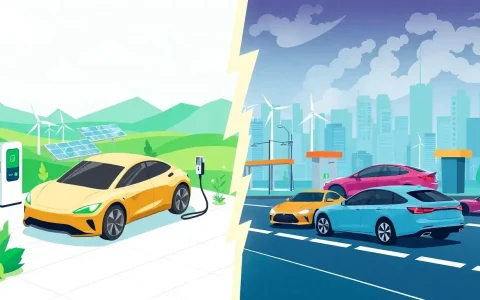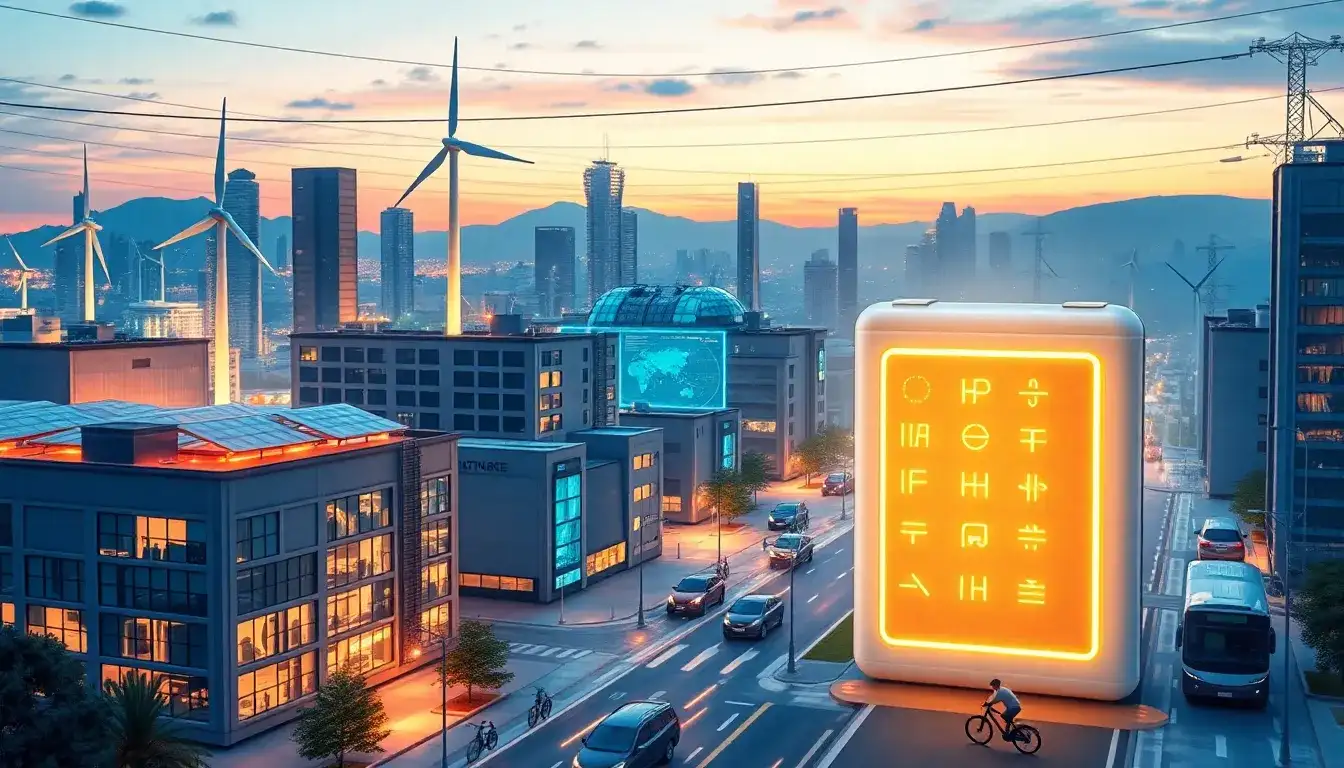
Energy storage systems play a crucial role in balancing supply and demand on the electricity grid by acting as a buffer that stores excess energy during low demand periods and releases it during high demand times. This helps ensure a stable and reliable energy supply, particularly when integrating intermittent renewable energy sources like solar and wind power. Here’s how energy storage contributes to grid balancing:
Key Functions of Energy Storage Systems
- Storing Excess Energy: During periods when renewable sources produce more electricity than needed, energy storage systems like batteries capture the excess energy. This prevents waste and ensures that the energy can be used later.
- Supplying Energy During Shortages: When the demand is high but generation is low, stored energy can be released to meet the demand, maintaining grid stability.
- Frequency Regulation: Energy storage systems, particularly batteries, can quickly respond to changes in grid frequency, helping maintain it within safe limits to prevent blackouts or equipment damage.
- Peak Shaving: By releasing stored energy during peak demand times, these systems reduce the strain on the grid and lower peak prices, providing cost savings.
- Support for Renewable Integration: Energy storage facilitates the integration of more solar and wind power into the grid by smoothing out their intermittent generation profiles, allowing for higher penetration of renewables.
- Long-Term Storage Options: Technologies like hydrogen energy storage can address seasonal variations in energy supply and demand by storing energy for extended periods.
Types of Energy Storage
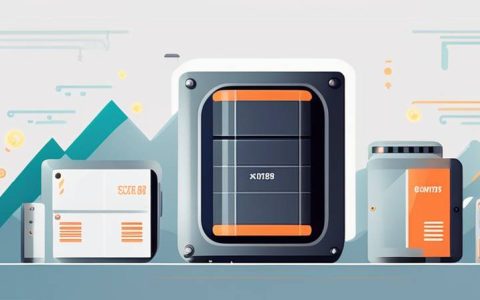
- Battery Energy Storage Systems (BESS): These are widely used for short-term balancing, offering rapid response times critical for frequency regulation and peak management.
- Hydrogen Energy Storage: This method is beneficial for long-term storage and managing seasonal energy fluctuations, as well as supporting broader decarbonization efforts.
- Pumped-Storage Hydropower: Currently the largest form of grid-scale energy storage, used for longer duration balancing.
In summary, energy storage systems help balance the grid by managing excess energy, providing stability during peak demand, facilitating the integration of renewables, and offering cost-effective solutions for managing power supply and demand fluctuations.
Original article by NenPower, If reposted, please credit the source: https://nenpower.com/blog/how-do-energy-storage-systems-help-balance-supply-and-demand-on-the-grid/