

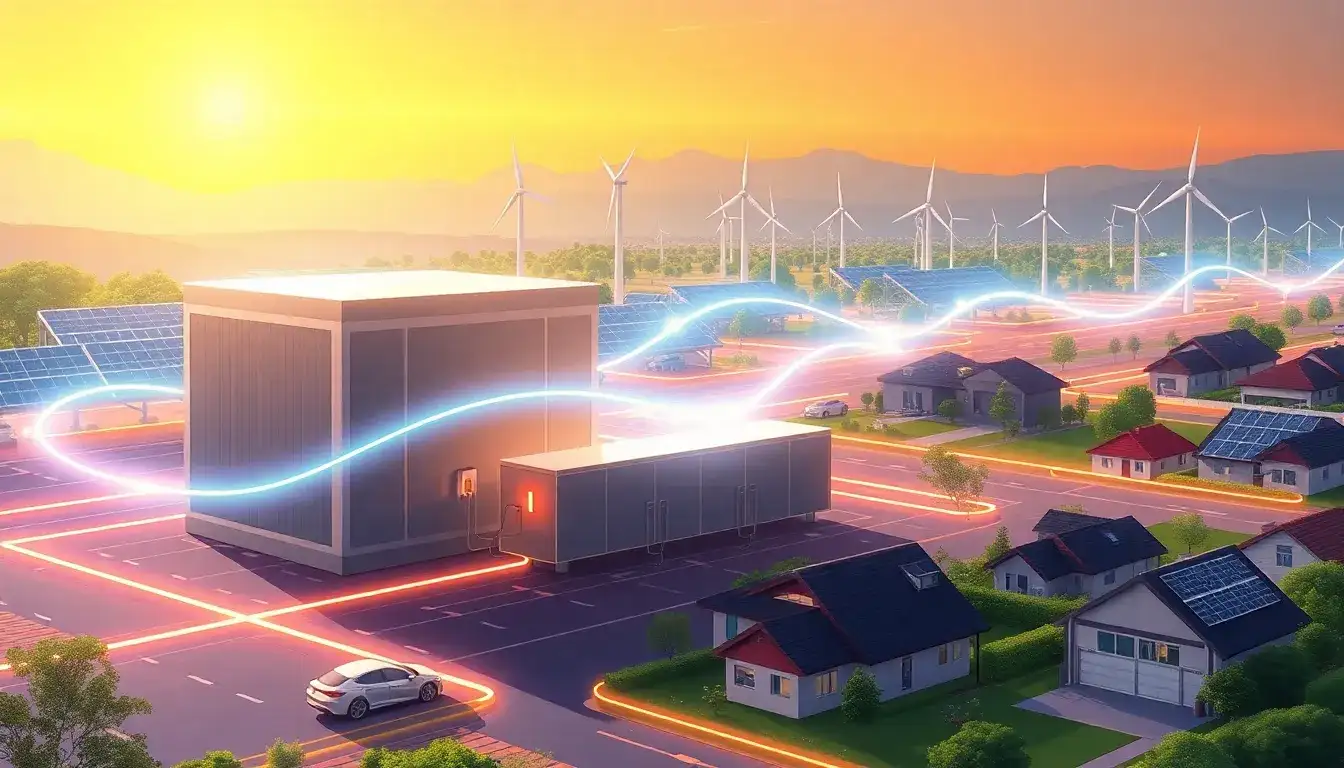
Energy storage systems play a crucial role in balancing supply and demand in the grid by efficiently managing excess energy and releasing it when needed. Here are some key ways these systems contribute to this balance:
Roles of Energy Storage in Balancing Supply and Demand
- Capturing Excess Energy: Energy storage systems allow utilities to store excess energy generated from variable renewable sources like wind and solar when their output is high. This stored energy can be used during periods of low generation, ensuring a stable supply without wasting excess power.
- Providing Short-term and Long-term Flexibility: Different types of energy storage technologies offer varying durations of energy storage. For example, lithium-ion batteries are suitable for short-term storage up to 8 hours, while technologies like hydrogen energy storage provide long-term solutions, enabling seasonal energy management.
- Grid Stability Services: Energy storage helps maintain grid stability by providing essential services such as frequency regulation and response. This ensures that power grid parameters like voltage and frequency remain within safe limits, even when renewable sources fluctuate.
- Peak Demand Management: By releasing stored energy during peak demand periods, energy storage systems can reduce strain on the grid, minimizing the need for peaking power plants and lowering operational costs.
- Transition to Renewable Energy: As renewable energy sources become more prevalent, energy storage ensures that these intermittent sources can be integrated effectively into the grid, reducing reliance on fossil fuels and supporting a cleaner energy system.
Benefits of Energy Storage
- Cost Savings: By storing energy when it is abundant and cheap, and selling it when demand (and prices) are high, utilities can optimize revenue streams.
- Environmental Benefits: Reduces emissions by supporting higher penetration of renewable energy and decreasing the reliance on fossil fuels.
- Grid Resilience: Enhances grid stability by improving frequency regulation and supporting black start capabilities after power outages.
Original article by NenPower, If reposted, please credit the source: https://nenpower.com/blog/how-do-energy-storage-systems-help-balance-supply-and-demand-in-the-grid/

