

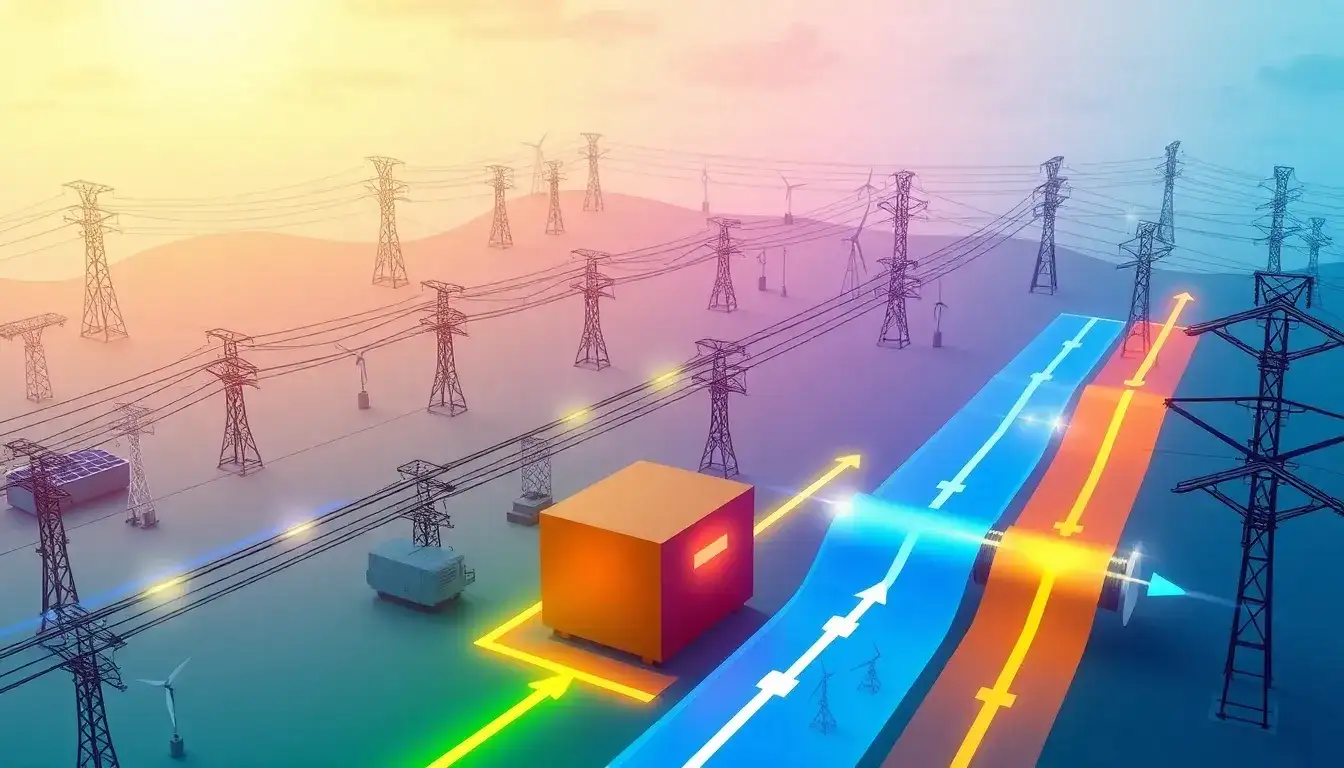
Energy storage systems play a crucial role in enhancing voltage stability within power grids. Here’s how they contribute:
Key Contributions of Energy Storage to Voltage Stability
- Voltage Regulation: Energy storage systems, such as battery energy storage systems (BESS), can inject or absorb reactive power to maintain stable voltage levels. This helps regulate voltage fluctuations, minimizing voltage sags and swells, which are critical for maintaining power quality and system stability.
- Reactive Power Compensation: By providing controllable real and reactive power output, energy storage systems can compensate for reactive power deficiencies in the grid, which is particularly important during periods of high load or when renewable energy sources fluctuate.
- Mitigation of Voltage Flicker: Energy storage helps smooth out rapid voltage changes caused by load variations or intermittent renewable energy sources, thereby reducing voltage flicker and improving overall power quality.
- Peak Load Management: By discharging stored energy during peak demand periods, energy storage systems alleviate grid stress, preventing voltage drops and frequency fluctuations that can affect voltage stability.
- Enhanced System Stability: In microgrids, energy storage enables the regulation of voltage levels and compensates for fluctuations in renewable energy generation, further enhancing power quality and stability within these small-scale power systems.
Overall, energy storage systems are essential for maintaining stable and reliable power delivery by reducing voltage and frequency variations and improving the power quality of electrical systems.
Original article by NenPower, If reposted, please credit the source: https://nenpower.com/blog/how-do-energy-storage-systems-contribute-to-voltage-stability/

