

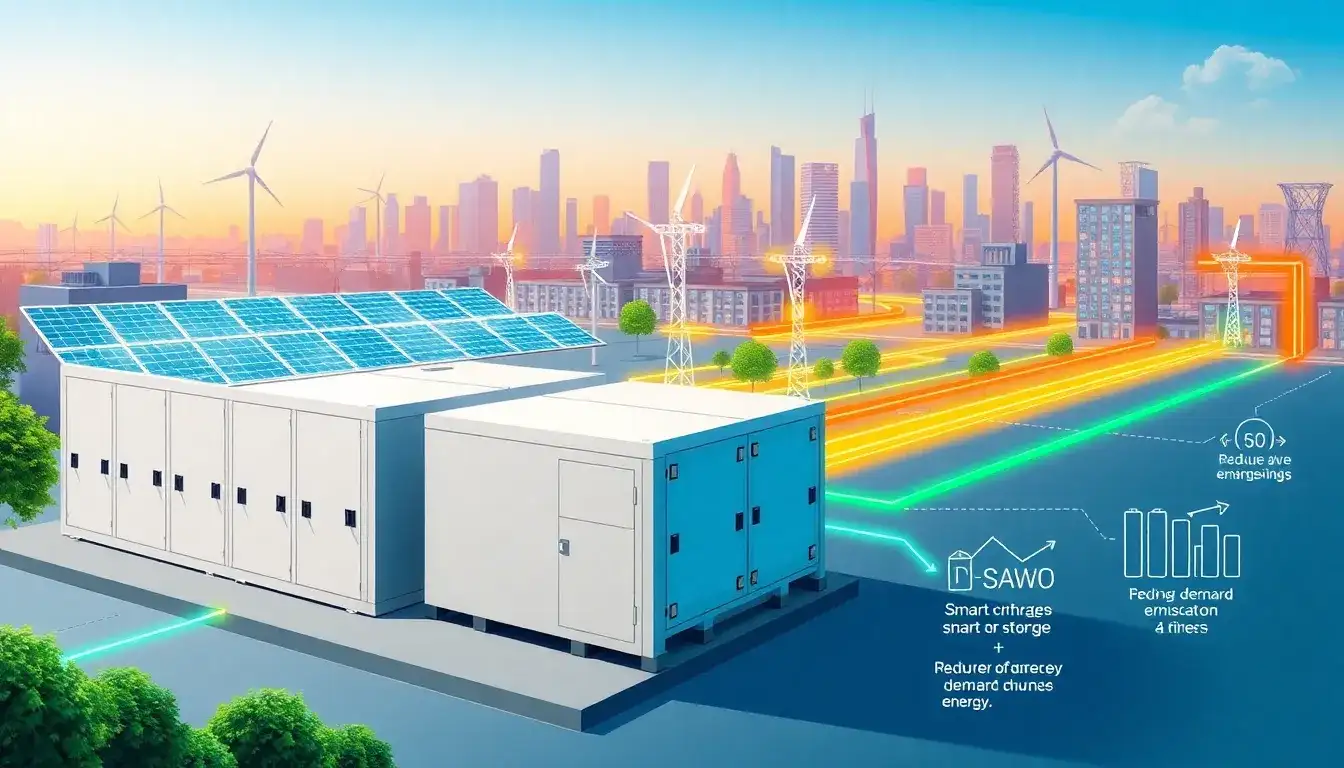
Energy storage systems, particularly those using batteries, significantly contribute to reducing peak demand charges by employing a strategy known as peak shaving. Here’s how they work:
How Peak Shaving Works
- Charging During Off-Peak Hours: Energy storage systems charge their batteries from the grid or on-site renewable sources (like solar panels) during off-peak hours when electricity is typically cheaper and demand is lower. This charging process does not increase the demand charge because it occurs when overall grid demand is low.
- Discharging During Peak Hours: During peak hours when grid demand is high and electricity prices are typically higher, the energy stored in the batteries is discharged to power facilities. This reduces the amount of electricity drawn from the grid, thereby lowering the peak power consumption levels.
- Reduced Demand Charges: By reducing peak power consumption, businesses can avoid exceeding their allotted power demand, which directly reduces the demand charges they face. These charges are often a significant portion of commercial electricity bills, sometimes accounting for up to 70% of the total cost.
Benefits of Energy Storage for Peak Shaving
- Cost Savings: By minimizing peak demand charges, companies can achieve substantial savings on their electricity bills. This is particularly beneficial for operations with high power demand, such as manufacturing facilities and electric vehicle charging stations.
- Infrastructure Protection: Peak shaving helps maintain a more stable grid by reducing the strain on utility infrastructure during peak hours. This can also lead to reduced distribution costs over time.
- Backup Power: Energy storage systems can provide critical backup power during grid outages, protecting businesses from losses due to downtime and equipment damage.
Overall, energy storage systems are a versatile and effective solution for managing peak demand charges, offering both financial benefits and operational reliability for commercial and industrial users.
Original article by NenPower, If reposted, please credit the source: https://nenpower.com/blog/how-do-energy-storage-systems-contribute-to-reducing-peak-demand-charges/

