

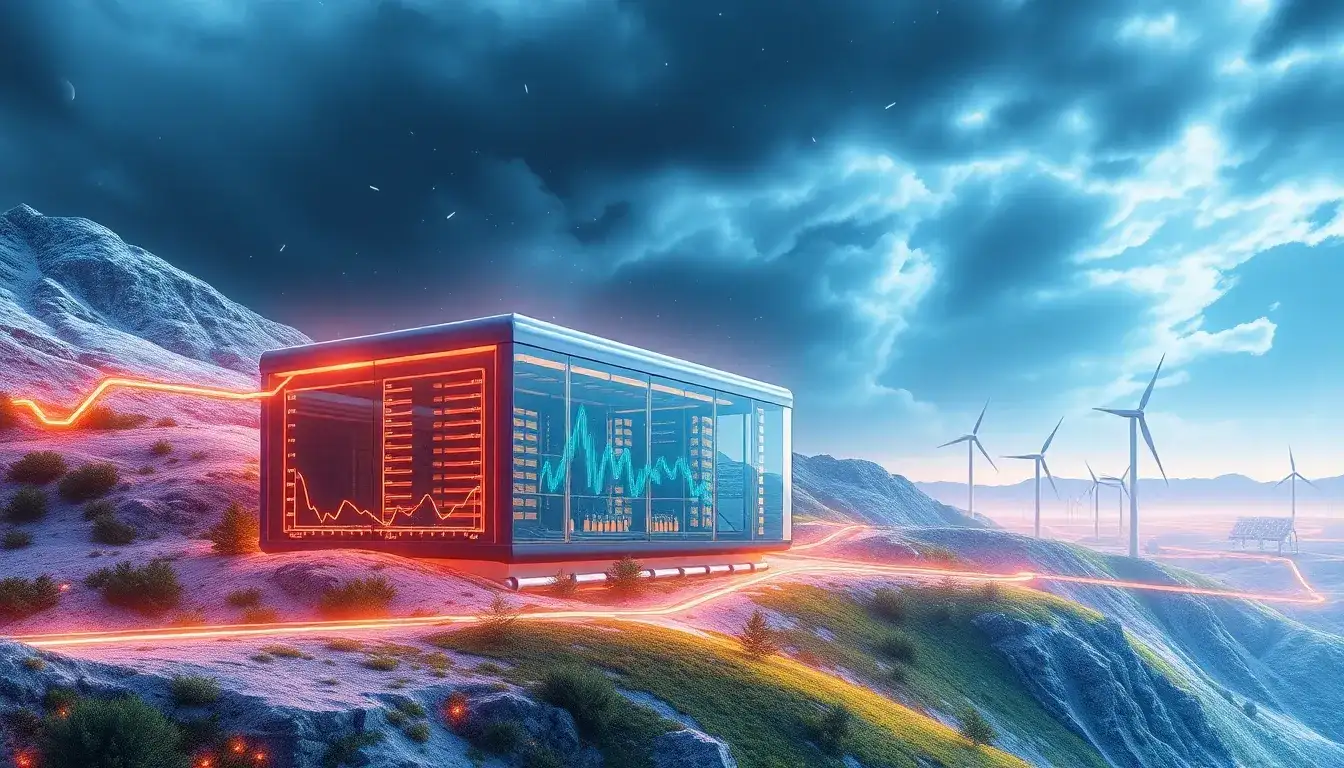
Energy storage systems play a crucial role in managing peak capacity during extreme weather events by providing several key benefits:
Contribution of Energy Storage Systems
- Peak Shaving and Load Management: Energy storage systems help reduce peak demand on the grid by storing excess energy during off-peak hours and releasing it when demand surges, such as during extreme weather events like intense heatwaves or cold snaps. This capability is especially valuable for reducing strain on the grid and preventing power outages.
- Grid Stabilization: By storing and dispatching energy as needed, energy storage systems maintain grid stability, ensuring consistent power supply during periods of high electricity demand. This stability is crucial during extreme weather events when grid reliability is tested.
- Renewable Energy Integration: Energy storage can buffer the variable output of renewable sources like solar and wind. During extreme weather, when these sources might not be generating power as expected (e.g., sunlight being obscured by heavy cloud cover), stored energy can fill the gap, ensuring that power demand is met without increased reliance on fossil fuels.
- Cost Savings: By reducing peak demand charges, businesses and utilities can save on operational costs, making energy storage systems a cost-effective strategy for managing extreme weather events.
- Enhanced Resilience: Energy storage provides a backup power source during emergencies, making it possible for critical infrastructure like hospitals and emergency services to maintain operations even if the main grid is disrupted.
Types of Energy Storage
- Short-duration Energy Storage Systems (SDES): These systems, typically battery-based, are ideal for short-term peak management and can provide rapid response times to fluctuations in demand.
- Long-duration Energy Storage Systems (LDES): Technologies like pumped hydro or vanadium redox flow batteries are suited for longer-term energy storage needs, offering sustainability over extended periods of extreme weather conditions.
Challenges and Future Prospects
While energy storage technologies are advancing, challenges include high upfront costs, safety concerns, and regulatory hurdles. However, innovations such as solid-state batteries are expected to improve efficiency and affordability, enhancing the role of energy storage in peak capacity management during extreme weather events.
Original article by NenPower, If reposted, please credit the source: https://nenpower.com/blog/how-do-energy-storage-systems-contribute-to-peak-capacity-management-during-extreme-weather-events/

