

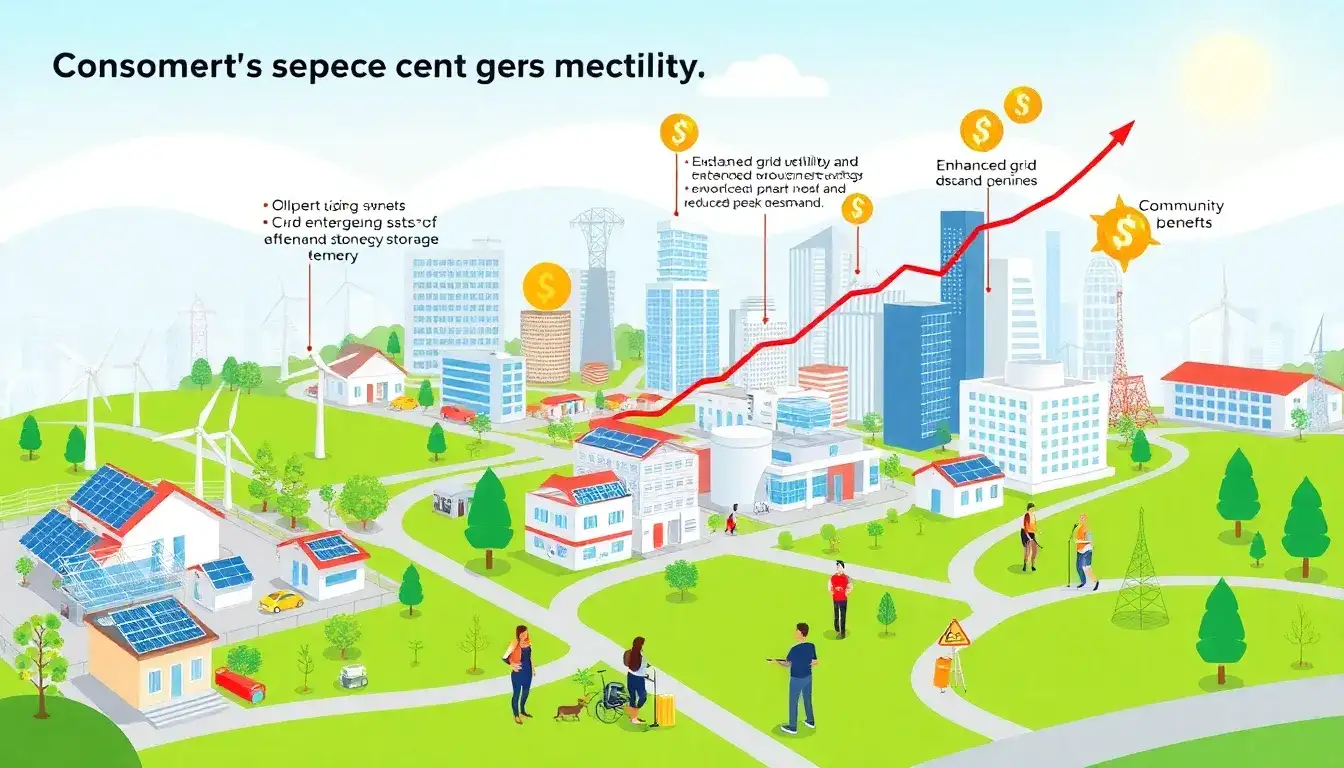
Energy storage systems (ESS) play a crucial role in enhancing economic benefits for both utilities and consumers. Their implementation leads to significant cost savings, improved grid stability, increased renewable energy utilization, and the creation of jobs.
Economic Contributions of Energy Storage Systems
1. Cost Savings for Utilities and Consumers
Energy storage systems enable utilities to buy electricity during off-peak times when prices are low and sell it during peak demand periods when prices are higher. This practice, known as energy arbitrage, helps lower overall electricity costs for consumers and reduces utility expenses related to expensive peak power plants. For instance, in Texas, energy storage deployments saved consumers approximately $750 million in energy costs during the summer of 2024 alone.
2. Enhanced Grid Stability
ESS significantly improve grid stability by providing backup power during outages and mitigating the effects of power fluctuations. This stability is essential for economic productivity as it reduces the risk of costly power outages that can lead to lost productivity and economic losses. By relieving transmission congestion, energy storage facilitates more effective load management and ensures a reliable power supply during high demand.
3. Integration of Renewable Energy
Energy storage systems work synergistically with renewable energy sources like solar and wind, allowing for better use of available clean energy. By storing excess energy produced during periods of high renewable generation, ESS minimize energy waste and reduce reliance on fossil fuels. This integration also enables utilities to utilize more renewable energy to meet peak demand, leading to lower operational costs and reduced environmental impact.
4. Job Creation and Economic Growth
The deployment of energy storage systems fosters job creation across various sectors, including renewable energy development, battery manufacturing, and maintenance. Currently, the energy storage sector supports approximately 75,000 jobs in the U.S., with potential for significant growth as the industry expands. The economic benefits of job creation extend beyond employment; higher employment leads to increased consumer spending, tax revenues, and reinvestment in local communities.
5. Deferred Infrastructure Investments
By alleviating the demand on existing power plants and reducing peak consumption, energy storage systems can defer or eliminate the need for expensive infrastructure upgrades. Utilities may avoid constructing new power plants or upgrading grid infrastructure, which translates to cost savings that can be passed onto consumers in the form of lower energy rates.
Conclusion
Energy storage systems are vital for transitioning to a more resilient, cost-effective, and sustainable energy landscape. They not only provide immediate economic benefits through lower electricity costs and enhanced grid reliability, but also lay the groundwork for a cleaner energy future while stimulating job creation and local economic growth. As the adoption of ESS continues to grow, the economic advantages for utilities and consumers will become increasingly pronounced.
Original article by NenPower, If reposted, please credit the source: https://nenpower.com/blog/how-do-energy-storage-systems-contribute-to-economic-benefits-for-utilities-and-consumers/

