

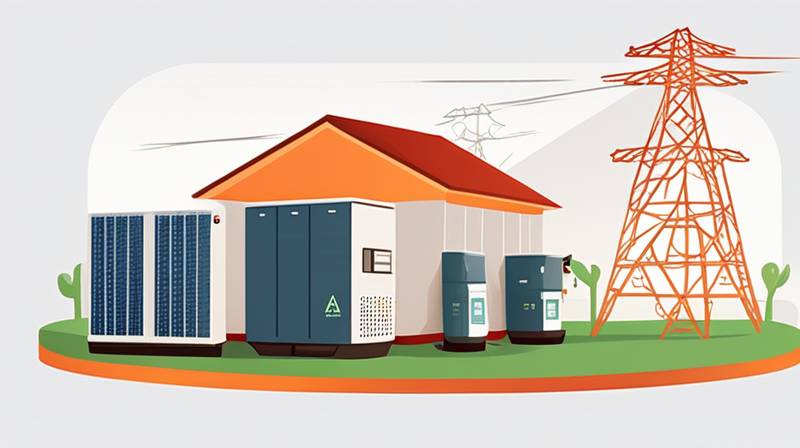
Energy storage systems play a crucial role in advancing Angola’s rural electrification objectives by enabling enhanced energy access, stability, and sustainability. 1. Energy storage systems provide a buffer for renewable energy, allowing for a smooth supply that aligns with consumption patterns. 2. They ensure reliability in remote areas where grid infrastructure is often lacking, mitigating issues related to energy intermittency. 3. Energy storage facilitates the integration of diverse energy resources, creating a more resilient and adaptive energy landscape. 4. Additionally, these systems reduce dependency on fossil fuels, promoting a transition toward cleaner energy practices that foster environmental stewardship.
A notable aspect of energy storage in Angola relates to its potential for innovative solutions that cater specifically to the unique challenges faced in rural electrification, such as geographic isolation and resource constraints. These systems can harness solar or wind energy generated in abundance while simultaneously providing necessary power at times of lower production or peak demand, thus transforming the energy accessibility landscape for rural communities.
1. SIGNIFICANCE OF ENERGY STORAGE SYSTEMS IN RURAL ELECTRIFICATION
Energy storage systems represent a transformative approach to tackling the challenges of rural electrification in developing regions like Angola. With much of the population living in remote areas, traditional grid extension methods are often financially unviable. Energy storage technologies bridge the gap by providing on-site energy supply and management solutions, thus elevating energy access for remote communities. They allow for localized generation of electrical power, storing excess energy produced from renewable sources such as solar panels or small wind turbines for use when solar radiation or wind conditions are not favorable.
Moreover, the variability of renewable energy sources necessitates a mechanism to deliver consistent power. Energy storage systems smooth out the fluctuations in energy supply, effectively balancing generation with consumption. This stabilization is critical in regions where electricity demand can vary significantly throughout the day. By storing surplus energy produced during peak sunlight hours, these systems can ensure that electricity remains available to households and businesses in the early morning or late evening when it is most needed.
2. IMPACT ON ECONOMIC DEVELOPMENT AND SOCIAL BENEFITS
The introduction of energy storage solutions in Angola’s rural areas fosters economic development and social advancements. Access to reliable energy catalyzes local enterprises, enabling businesses such as food processing, education centers, and health facilities to operate beyond daylight hours. Increased productivity not only supports local employment but also enhances the overall standard of living for these communities. As households gain consistent access to electricity, their quality of life improves through enhanced services such as education and healthcare which are often limited by energy constraints.
Furthermore, energy storage systems contribute to skill development and technology transfer. Training programs can emerge around the installation and maintenance of these systems. This not only builds local capacity but also fosters a sense of community ownership of renewable energy projects. Moreover, by reducing reliance on traditional fossil fuel sources, these systems can diminish energy-related costs for households and businesses, thereby redirecting savings towards other essential needs such as education and healthcare.
3. ENVIRONMENTAL ADVANTAGES OF ENERGY STORAGE SYSTEMS
The environmental implications of energy storage systems extend far beyond immediate energy supply benefits. By leveraging renewable energy sources and storing excess power, these systems play a key role in reducing greenhouse gas emissions. This shift towards cleaner energy sources is particularly important for Angola, a nation that is rich in natural resources but also vulnerable to the impacts of climate change. Transitioning to renewable sources not only addresses immediate energy needs but also mitigates environmental degradation and helps preserve biodiversity.
Moreover, energy storage allows for a more resilient energy infrastructure, capable of withstanding the impacts of climate events and supporting disaster recovery efforts. By decentralizing energy generation, rural communities can become more self-sufficient and less vulnerable to fluctuations in central energy systems that might be disrupted by natural disasters or geopolitical issues. This resilience contributes not only to environmental sustainability but also to social cohesion and stability, as communities can better support one another in times of need.
4. CHALLENGES IN IMPLEMENTATION AND SCALABILITY
Despite the myriad of benefits offered by energy storage systems, several challenges must be addressed to fully realize their potential in Angola’s rural electrification. High upfront costs associated with energy storage technologies can deter investment from local businesses and government entities. Although funding options exist, gaining access to these resources can be complicated by regulatory hurdles and insufficient financial literacy among rural populations.
Additionally, the lack of a robust supply chain for renewable technologies poses significant barriers. Many rural areas may not have access to the necessary components, such as batteries and inverters, making maintenance and scalability issues more pronounced. It is crucial for the government, in partnership with private stakeholders, to foster an environment that encourages local manufacturing and supply chain development to reduce reliance on external markets. Public investments in infrastructure and education around these technologies will also be essential to ensure that local populations can both implement and sustain energy storage solutions effectively.
5. THE ROLE OF POLICY AND REGULATORY FRAMEWORKS
A supportive policy and regulatory framework is pivotal in enabling the successful integration of energy storage systems into the energy landscape of Angola. Government initiatives must focus on promoting renewable energy, incentivizing investments in energy storage solutions, and fostering partnerships between public and private sectors. Clear guidelines for project implementation, as well as support for research and development, will help local industries adapt to the rapidly evolving technology landscape.
Effective policies can drive adoption by providing subsidies, tax incentives, or low-interest loans for energy storage projects. Additionally, regulatory frameworks that support decentralized energy systems can enhance community-level participation in the energy market. Encouraging local ownership of energy projects leads to increased accountability and better alignment with the specific needs of rural populations. Ultimately, comprehensive policies designed to promote energy diversification and sustainability will empower Angolans to leverage energy storage technologies effectively.
FREQUENTLY ASKED QUESTIONS
WHAT TYPES OF ENERGY STORAGE SYSTEMS ARE COMMONLY USED IN RURAL ELECTRIFICATION?
Several types of energy storage systems have emerged as viable solutions for rural electrification, with lithium-ion batteries being the most widely recognized due to their efficiency, longevity, and decreasing costs. Lead-acid batteries are also prevalent as an established technology, although they often exhibit shorter lifespans and lower efficiency compared to their lithium-ion counterparts. Flow batteries, though still in the developmental stage in many parts of the world, demonstrate potential for large-scale energy storage applications by allowing for scalable, long-duration energy solutions.
In addition to these conventional technologies, compressed air energy storage (CAES) and pumped hydro storage offer alternative methods, especially in regions equipped with the necessary geographic resources. These systems can provide significant storage capacities and long-duration capabilities, although their applicability is often constrained by site-specific conditions. The continued advancement in energy storage technologies signifies a movement toward more efficient, cost-effective solutions tailored to specific needs, particularly in rural and underserved areas.
HOW DO ENERGY STORAGE SYSTEMS INFLUENCE ENERGY PRICING IN RURAL COMMUNITIES?
Energy storage systems significantly influence pricing models in rural communities by allowing for time-of-use pricing structures. By storing energy during periods of low demand and releasing it during peak periods, these systems can stabilize prices and reduce overall energy costs. Consumers benefit from more predictable pricing based on actual usage, rather than being subject to the volatility often seen with diesel generators or centralized grids that may face supply disruptions.
Moreover, as energy storage technologies become more commonplace, competition among suppliers may increase, further driving down prices for end-users. Rural populations who have historically experienced high energy costs due to the need for expensive fossil fuels can reap the rewards of energy independence and reduced payments. This newfound accessibility to affordable energy can empower local economic development and transform entire communities.
WHAT STEPS ARE NECESSARY TO IMPLEMENT ENERGY STORAGE IN ANGOLA’S RURAL AREAS EFFECTIVELY?
For effective implementation of energy storage systems in rural areas of Angola, several key steps are required. First, stakeholder engagement is vital; local communities must be involved in the planning and decision-making processes to ensure that systems meet their actual energy needs. Through participatory approaches, stakeholders can identify priorities and co-design energy solutions that resonate with community goals.
Additionally, capacity-building initiatives should be established to train local technicians in the installation and maintenance of storage systems. Sustainable energy projects should incorporate education that fosters understanding of energy management, efficiency practices, and renewable technologies. Financial models that prioritize community ownership can also facilitate greater engagement, ensuring that local actors have a vested interest in the success of energy storage systems. Ultimately, successful implementation hinges on collaboration across government, private sector, and communities to create a supportive environment for sustainable energy development.
The role of energy storage systems is instrumental in meeting Angola’s rural electrification aspirations. By bridging the gap between supply and demand, they enable remote communities to access reliable energy, thereby enhancing quality of life and supporting economic development. The deployment of these systems mitigates reliance on traditional fossil fuels, contributing to environmental sustainability and resilience against climate change impacts. However, for these systems to achieve their full potential, addressing challenges such as high costs and lack of infrastructure is critical. This may involve fostering local production and supply chains, as well as creating conducive policies that promote renewable energy initiatives. Enhanced community involvement through participatory planning processes can further ensure that energy solutions are tailored to local needs. Ultimately, the successful integration of energy storage systems can transform Angola’s energy landscape, enabling equitable access to electrical power and contributing to overarching social and economic progress. To harness the full benefits of energy storage in rural electrification, a comprehensive and coordinated approach is necessary, encompassing technology, community engagement, and sustainable practices that enrich the lives of countless individuals.
Original article by NenPower, If reposted, please credit the source: https://nenpower.com/blog/how-do-energy-storage-systems-contribute-to-angolas-rural-electrification-goals/

