

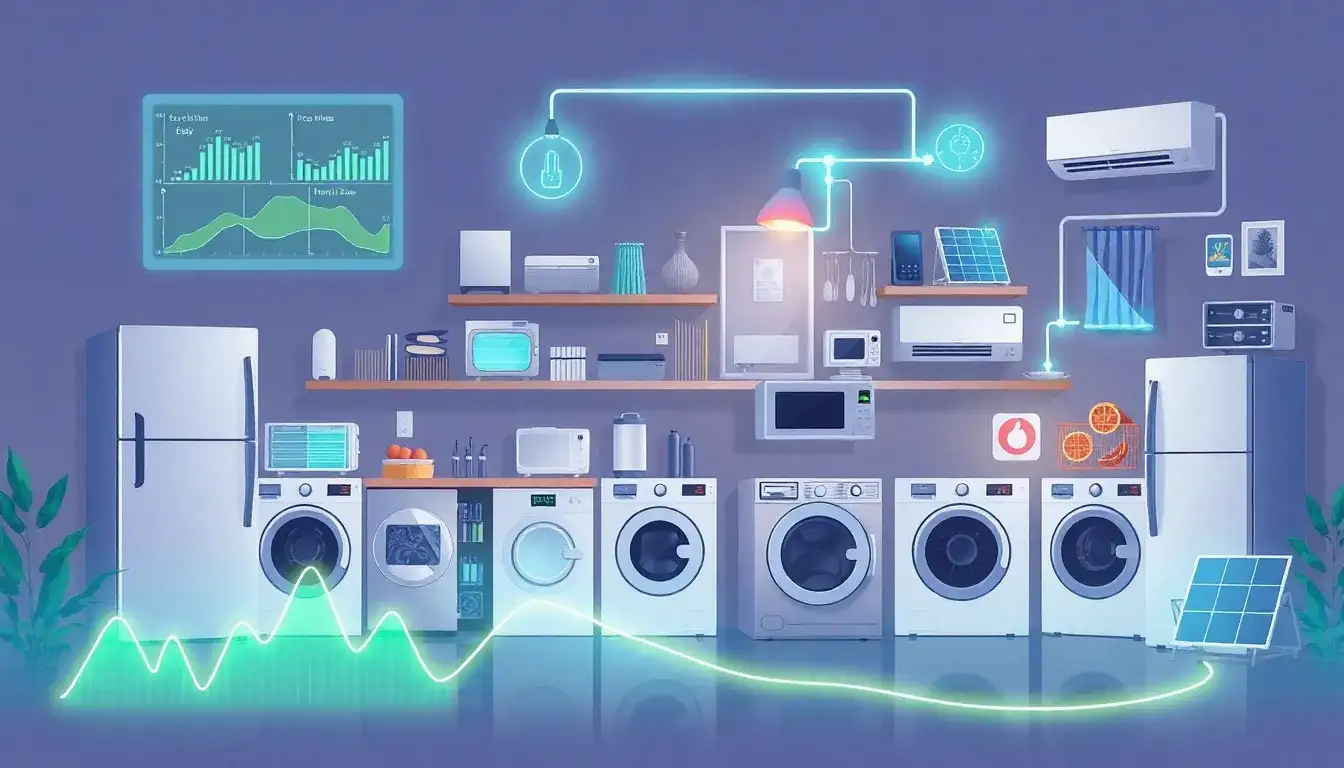
Benefits of Peak Shaving for Energy-Intensive Appliances
- Cost Savings: Peak shaving reduces demand charges by lowering the high power consumption levels during peak hours. This can lead to substantial cost savings for users of energy-intensive appliances, as they avoid high-priced electricity during these times.
- Grid Stability: By reducing peak demand, these appliances help stabilize the power grid, minimizing the likelihood of blackouts and ensuring a reliable electricity supply.
- Energy Efficiency: Peak shaving encourages the efficient use of energy by shifting or optimizing the power consumption of energy-intensive appliances. This can be achieved through energy storage systems that store energy during off-peak hours and dispatch it during peak times.
- Environmental Sustainability: Peak shaving often involves storing renewable energy generated from sources like solar or wind power during non-peak hours. This renewable energy can then be used to power appliances during peak periods, reducing reliance on fossil fuels and lowering greenhouse gas emissions.
Examples of Energy-Intensive Appliances Benefiting from Peak Shaving
- HVAC Systems: Heating, ventilation, and air conditioning systems are major consumers of electricity. By optimizing their operation using peak shaving strategies, the strain on the grid can be reduced while maintaining comfortable indoor conditions.
- Industrial Processes: Energy storage can help manage peak loads in industrial settings, such as those involving manufacturing equipment or high-power machinery, allowing continuous operation without incurring high demand charges.
- Water Heaters and Pool Pumps: These appliances can be controlled or scheduled to run during off-peak hours, reducing energy demand during peak times.
Original article by NenPower, If reposted, please credit the source: https://nenpower.com/blog/how-do-energy-intensive-appliances-benefit-from-peak-shaving-strategies/

