

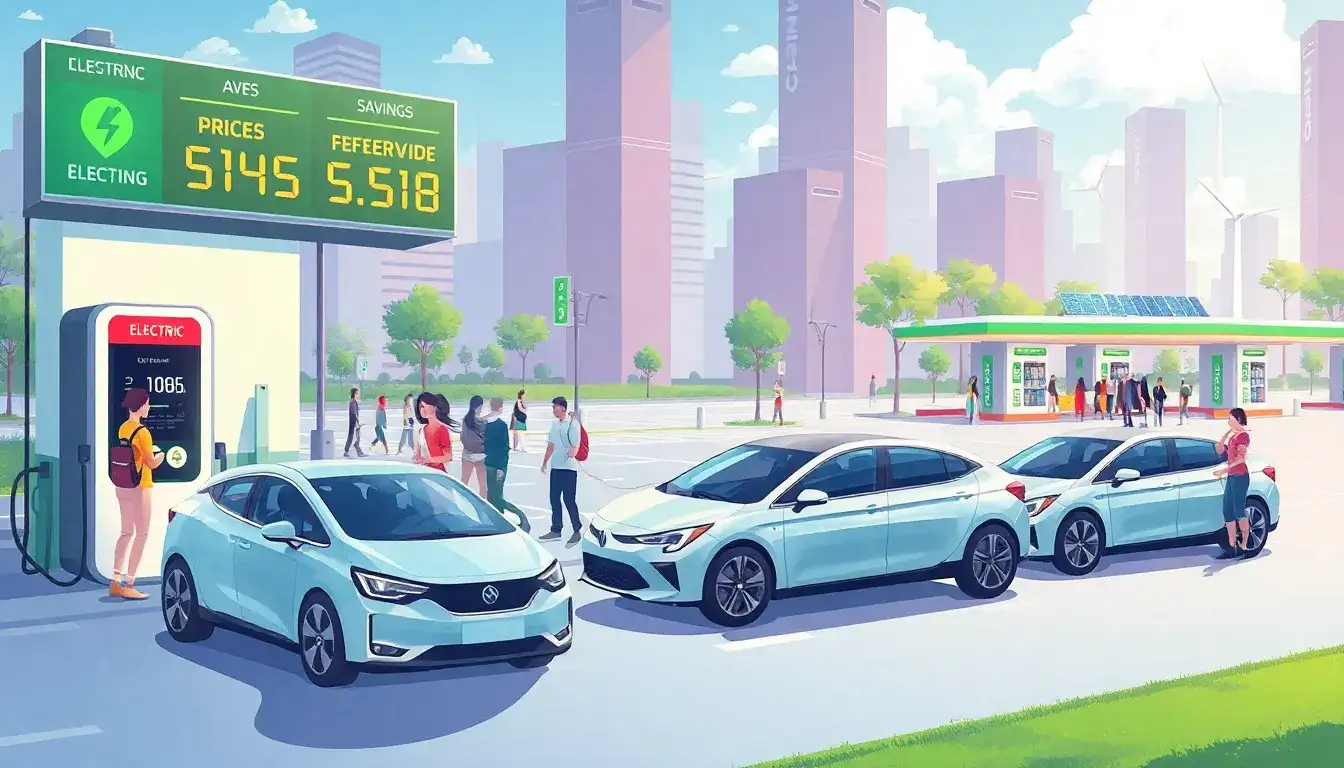
Electricity rates can influence the decision to buy an electric vehicle (EV) over a gasoline-powered car, though their impact is typically less significant compared to gasoline prices. Here are some key points to consider:
Impact of Electricity Prices on EV Adoption
- Inhibitory Effect: An increase in electricity prices can significantly inhibit EV adoption. A study found that a 1 unit increase in electricity prices per kilowatt-hour has a negative effect on EV demand.
- Comparative Effect: However, gasoline prices generally have a larger influence on the demand for EVs. In California, a given change in gasoline prices has about four to six times the effect on EV demand as a similar percentage change in electricity prices.
Operational Cost Savings
- Cost Advantages: One of the primary benefits of owning an EV is the potential operational cost savings compared to gasoline-powered vehicles. Electricity is often cheaper than gasoline, making EVs more economical for daily driving, especially for those with access to low-cost electricity.
- Charging Behavior: Many EV drivers charge their vehicles overnight when electricity rates are lower, further enhancing the cost benefits.
Broader Impact on Electricity Rates
- Downward Pressure on Rates: Widespread EV adoption can actually contribute to lowering electricity rates for everyone. By generating more revenue than they incur in costs for utilities, EVs can help reduce overall rates when integrated effectively into the grid.
In summary, while electricity prices can influence the decision to buy an EV, they are often outweighed by the impact of gasoline prices. EVs offer operational cost savings, which can be a significant advantage, and their adoption can also contribute to lower electricity rates over time.
Original article by NenPower, If reposted, please credit the source: https://nenpower.com/blog/how-do-electricity-rates-influence-the-decision-to-buy-an-ev-over-a-gasoline-powered-car/

