

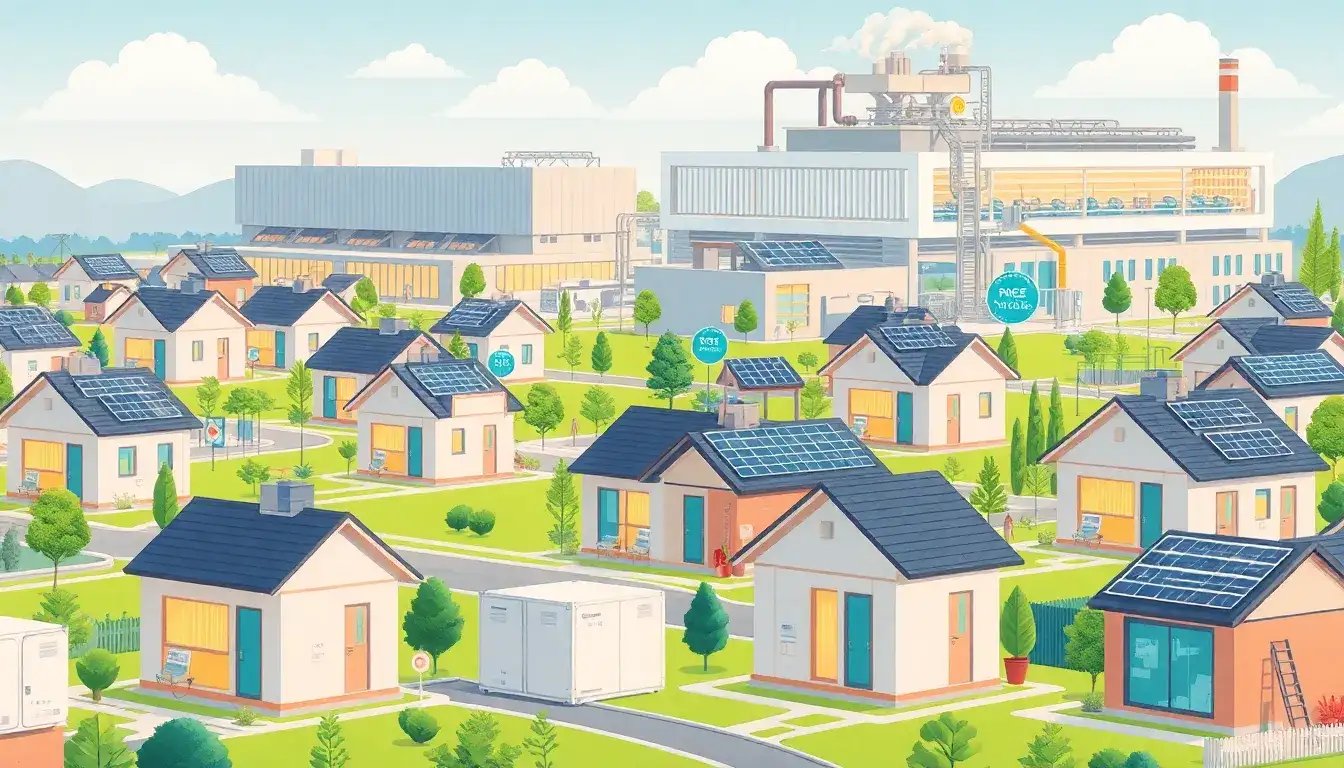
Economies of scale significantly influence the cost of home energy storage systems, albeit indirectly. While residential installations may not benefit from the same economies of scale as larger, commercial or utility-scale projects, several factors contribute to reduced costs in the broader industry, which indirectly affect home systems.
Factors Influencing Costs
- Bulk Purchasing and Manufacturing Scale: Larger-scale energy storage projects, such as utility-scale operations, benefit directly from economies of scale. They can purchase equipment in bulk, reducing per-unit costs. These savings reflect in the overall technology ecosystem, helping to drive innovation and lower prices even for smaller-scale consumer products.
- Technological Advancements: As technology improves across the board, costs decrease. This is particularly true for lithium-ion batteries, where reductions in manufacturing costs have been significant over the past decade. Such decreases in core technology costs help reduce the price of energy storage systems available for home use.
- Market Competition and Efficiency: Increased competition among manufacturers, driven by growing demand and advancements in technology, pushes companies to become more efficient and reduce costs. This competitive environment benefits consumers by offering more affordable energy storage solutions.
- Government Policies and Subsidies: While economies of scale are more relevant for large projects, government incentives and subsidies can help reduce the cost barrier for residential installations. Policies like tax credits or rebates make home energy storage more accessible.
Impact on Home Energy Storage Costs
- Reduced Technology Costs: Although not benefiting from direct economies of scale, home energy storage systems benefit from the overall reduction in technology costs driven by larger-scale projects and advancements in the field.
- Increased Market Competition: As more companies compete in the energy storage market, prices for residential systems tend to decrease, making them more affordable for consumers.
- Integration with Renewable Energy: Home energy storage systems often integrate with solar panels, allowing homeowners to use stored energy when it’s needed most. This integration can enhance the economic viability of home systems by optimizing energy use and reducing reliance on grid electricity.
In summary, while economies of scale are more pronounced in larger energy storage projects, the overall cost reductions in energy storage technology benefit residential systems indirectly through lower manufacturing costs, increased market competition, and improved integration with renewable energy sources.
Original article by NenPower, If reposted, please credit the source: https://nenpower.com/blog/how-do-economies-of-scale-influence-the-cost-of-home-energy-storage-systems/

