

Impact on Battery Cell Manufacturing
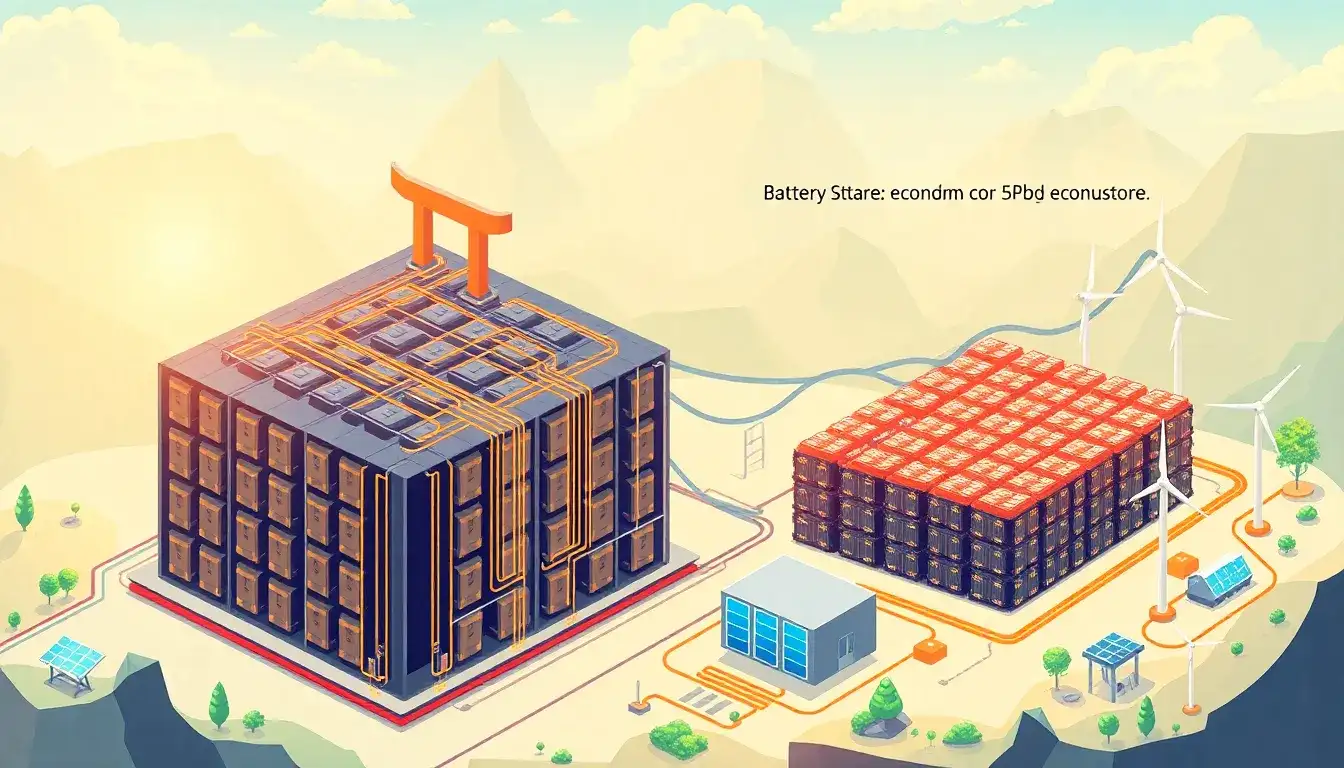
Economies of scale in battery cell manufacturing reduce costs when production operates at full capacity. Balancing plant and electrode roll-to-roll capacities can lead to cost savings of more than $5/kWh. This is because larger-scale production allows companies to optimize processes, reduce material costs, and improve manufacturing efficiency.
Overall Cost Reductions in Energy Storage Systems
For Battery Energy Storage Systems (BESS), larger systems often cost more upfront but provide better value per kWh due to economies of scale. Utility-scale projects benefit from bulk purchasing and reduced per-unit costs compared to smaller installations. This scalability helps reduce the overall cost per kWh, making large-scale energy storage more economical.
Market Dynamics
The growth of the electric vehicle market and increased demand for renewable energy solutions have driven economies of scale in battery storage. This has led to significant cost reductions, with lithium-ion battery costs dropping by about 85% over the past decade. Improved manufacturing processes and economies of scale have been key factors in these reductions.
Future Outlook
Future cost projections indicate that the advancement of technology and continued economies of scale will further reduce battery storage costs. New technologies and manufacturing improvements are expected to enhance efficiency and lower costs over time, making energy storage solutions even more accessible.
In summary, economies of scale play a crucial role in reducing the costs associated with battery storage by optimizing manufacturing, improving efficiency, and enabling bulk purchasing. These factors have contributed significantly to the recent declines in battery costs and will likely continue to influence future reductions.
Original article by NenPower, If reposted, please credit the source: https://nenpower.com/blog/how-do-economies-of-scale-impact-the-cost-of-battery-storage/

