

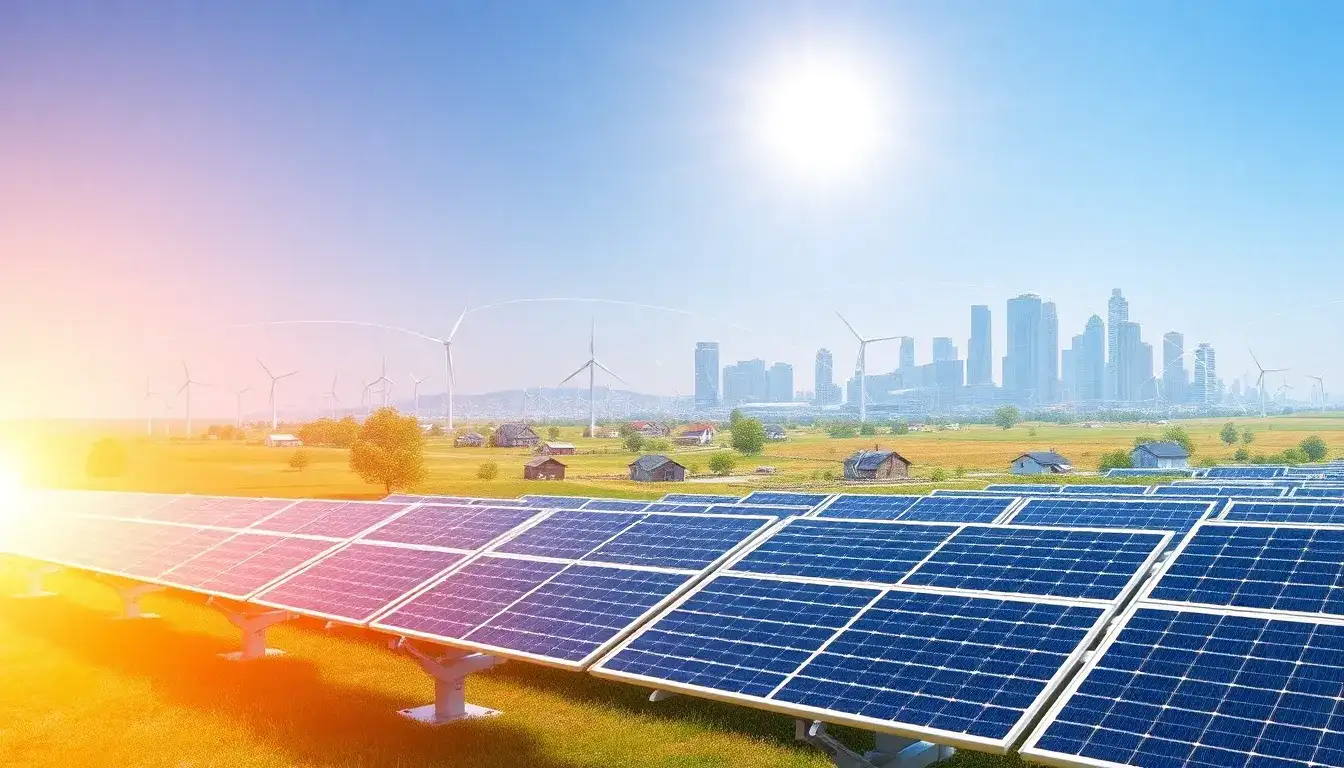
Dual-axis solar trackers improve smart grid integration by maximizing the efficiency of solar energy production, which can significantly enhance the reliability and sustainability of renewable energy sources within a smart grid. Here are key ways dual-axis trackers contribute to this integration:
Enhancements Due to Dual-Axis Trackers
- Efficiency and Energy Yield Increase:
- Dual-axis trackers allow solar panels to dynamically adjust their orientation in both the horizontal and vertical axes, ensuring they continuously face the sun. This maximizes the amount of sunlight captured and converts it into electricity, increasing energy yield by up to 40% compared to fixed solar panels.
- By optimizing energy production, dual-axis trackers can supply more consistent and reliable power to the grid, enhancing overall system stability.
- Integration with Advanced Technologies:
- Dual-axis trackers can be integrated with advanced technologies such as Artificial Intelligence (AI), Internet of Things (IoT), and Machine Learning (ML). These technologies enable predictive analytics, real-time monitoring, and automated adjustments based on environmental conditions, which can further optimize energy production and more efficiently manage power distribution within a smart grid.
- Such integration allows for better forecasting and grid management, as it can predict and adjust energy output based on weather conditions and grid demands.
- Enhanced Environmental Adaptability and Durability:
- Modern dual-axis trackers are designed to withstand harsh environmental conditions. They often include wind sensors and other features to stabilize the system during adverse weather conditions, ensuring reliability and consistency in energy supply.
- This durability enhances their contribution to smart grid stability by maintaining consistent power output even under challenging environmental conditions.
- Energy Storage and Grid Connectivity:
- Dual-axis trackers can be integrated with energy storage systems (such as batteries) to store excess energy generated during peak production periods for use during low production periods or nighttime. This capability helps stabilize the grid by ensuring a more consistent power supply.
- Integration with smart grid technologies allows for efficient distribution of stored energy, enabling better load management and reducing the strain on the grid.
Challenges and Future Directions
While dual-axis trackers offer significant benefits, they also present challenges such as higher complexity and cost compared to single-axis or fixed systems. Future developments will focus on cost-effectiveness, further integration with predictive analytics for better energy yield forecasting, and enhanced connectivity to smart grid infrastructure to optimize energy distribution and storage.
Original article by NenPower, If reposted, please credit the source: https://nenpower.com/blog/how-do-dual-axis-trackers-improve-smart-grid-integration/

