

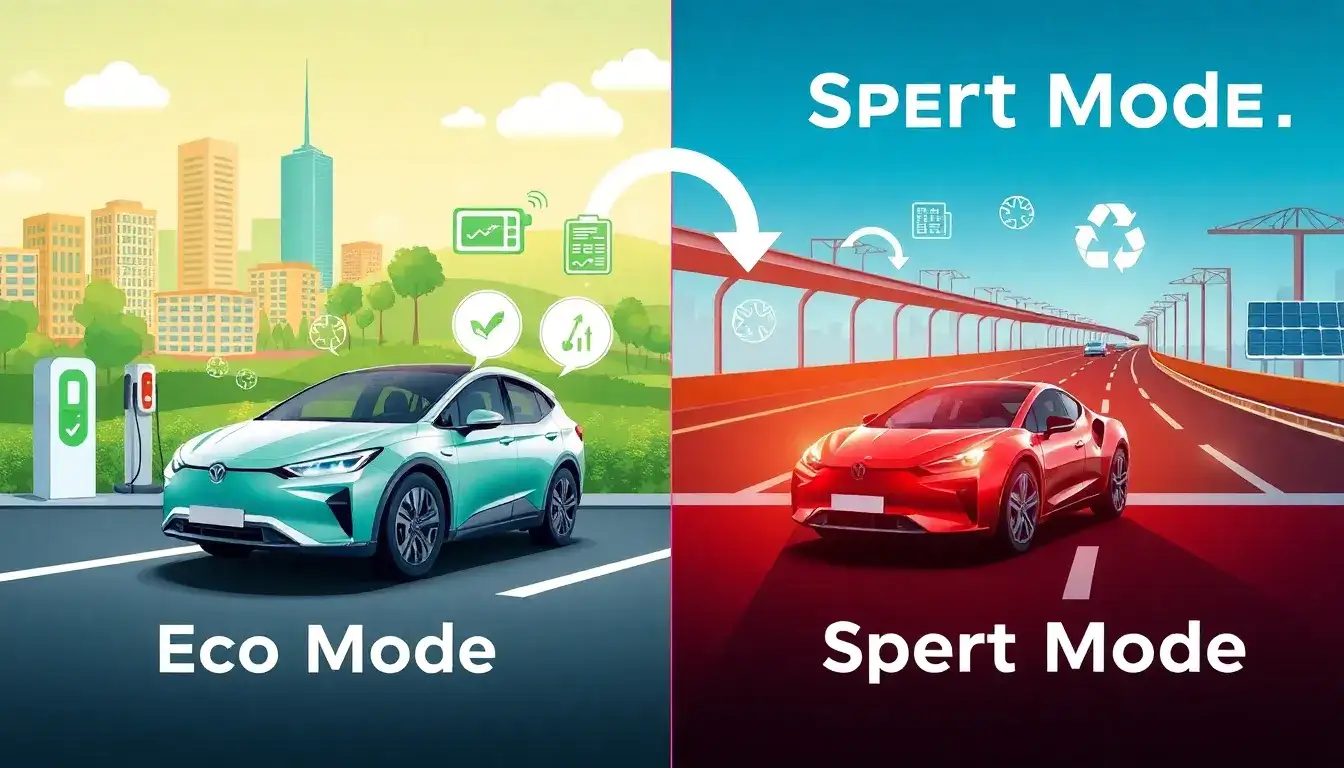
The payback period for electric vehicles (EVs) is influenced by annual driving distance, driving habits, and charging patterns, as these directly affect operational cost savings compared to gasoline/diesel vehicles.
Key Factors
- Annual Mileage:
- High mileage (15,000–20,000 km/year) shortens the payback period to 3–5 years due to greater fuel and maintenance savings.
- Lower mileage extends the payback period, though EVs remain cost-effective long-term.
- Driving Efficiency:
- Regenerative braking in EVs reduces brake wear, lowering maintenance costs, especially in urban/stop-start driving.
- Battery degradation from frequent fast charging (e.g., DC chargers) or aggressive acceleration may increase long-term costs, indirectly affecting payback timelines.
- Charging Behavior:
- Home charging (€0.10–€0.15/kWh) maximizes savings, with 100 km costing €2–€4 vs. €7–€10 for gasoline.
- Public charging costs vary by location and operator, potentially reducing savings for drivers reliant on pricier stations.
Emissions Payback: While not financial, EVs offset their manufacturing emissions within 1–2 years of driving, improving faster as grids decarbonize.
Comparative Table
| Factor | High Mileage (20k km/year) | Low Mileage (10k km/year) |
|---|---|---|
| Cost Payback | 3–5 years | 5+ years |
| Emissions Payback | 1–2 years | 1–2 years |
In summary, drivers covering longer distances or optimizing charging habits achieve faster financial and environmental returns.
While not explicitly covered in sources, driving habits like frequent fast charging are widely acknowledged to impact battery lifespan.
Original article by NenPower, If reposted, please credit the source: https://nenpower.com/blog/how-do-driving-patterns-impact-the-payback-period-for-evs/

