

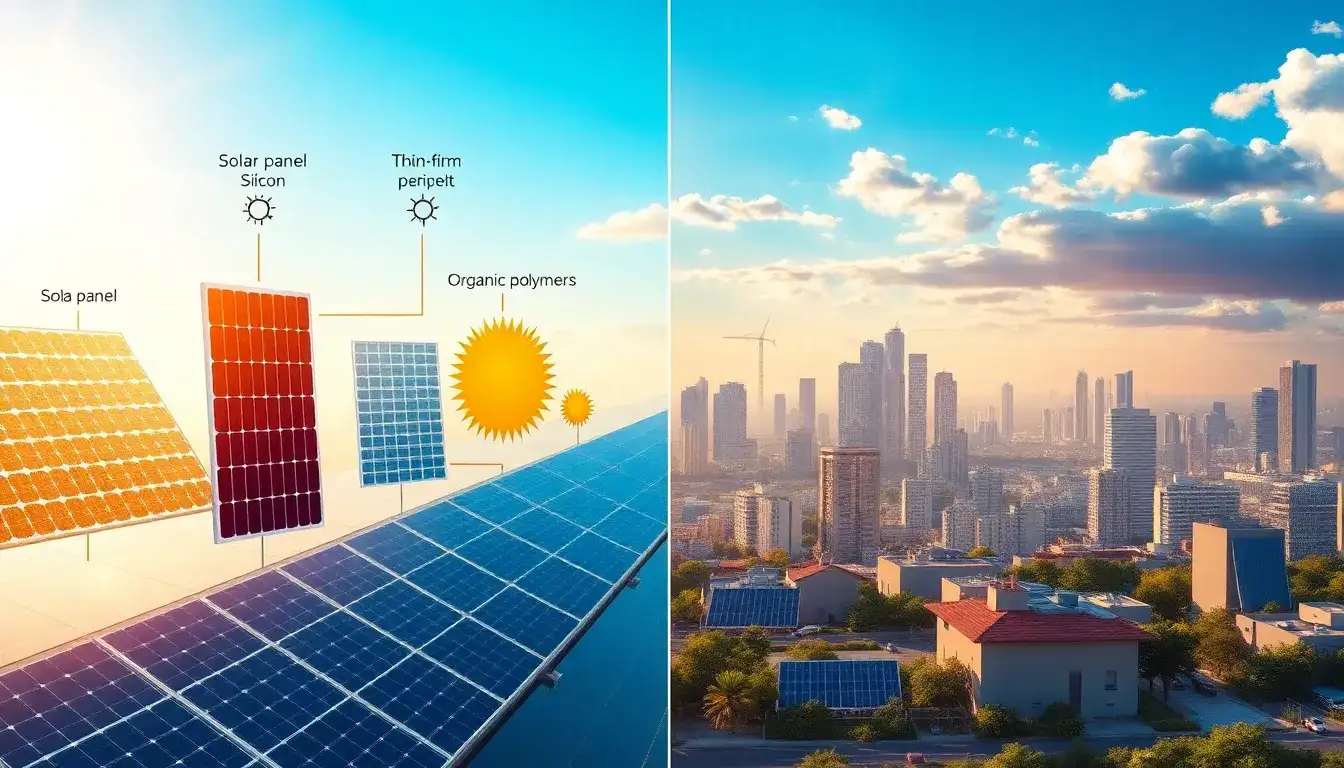
Impact of Materials on Solar Panel Lifespan
1. Silicon-Based Panels (Crystalline Silicon)
- The most common material, used in over 95% of solar panels today.
- These panels contain crystalline silicon solar cells and small amounts of valuable metals like silver and copper.
- Crystalline silicon panels are known for high efficiency, relatively low cost, and long lifespans, typically designed to last 25 years or more, often up to 30 years.
- They exhibit degradation rates of approximately 0.5% to 0.8% per year, meaning that after 25 years, a panel will typically produce about 80-87.5% of its original output.
- High-quality silicon panels with premium materials and stringent manufacturing standards degrade more slowly and withstand environmental stressors better, leading to longer lifespans and sustained efficiency.
2. Thin-Film Solar Panels
- Made from materials like cadmium telluride (CdTe), copper indium gallium selenide (CIGS), or amorphous silicon layered on substrates such as glass or plastic.
- Thin-film panels generally have lower efficiency than silicon panels but can be produced at lower manufacturing costs.
- Lifespan tends to be somewhat shorter or less consistent due to the different material properties.
- CdTe thin-film panels are the second most common type after silicon but their efficiencies and durability are typically less robust, which can impact lifespan and performance degradation.
3. Frame and Structural Materials
- Aluminum frames are common and contribute positively by protecting panels from mechanical damage; aluminum is durable and easily recyclable.
- Glass, which makes up the bulk of the panel’s weight, offers protection for the photovoltaic cells and is highly durable.
- The quality and treatment of these materials affect the panel’s ability to withstand hail, wind, snow, and other weather impacts.
How Materials Contribute to Lifespan and Degradation
- Quality of materials: Premium materials and quality manufacturing reduce susceptibility to degradation from UV exposure, temperature fluctuations, moisture ingress, and physical stresses.
- Environmental resistance: Some materials corrode or degrade when exposed to saltwater, extreme weather, or repeated thermal cycling, accelerating efficiency loss.
- Degradation rate: Materials with better intrinsic stability (e.g., high-purity silicon, well-encapsulated cells) degrade more slowly (0.25%–0.5% per year in premium panels versus up to 1% or more in lower-quality panels).
- Panel construction: Laminates, encapsulants, and sealants used in the panel’s layers help protect cells; superior materials delay moisture ingress and chemical breakdown, preserving lifespan.
Summary Table
| Material Type | Typical Lifespan | Degradation Rate (%/year) | Key Benefits | Impact on Lifespan |
|---|---|---|---|---|
| Crystalline Silicon | 25-30 years | 0.25 – 0.8 | High efficiency; durable; well-established | Long lifespan with slow performance decline |
| Cadmium Telluride (CdTe) Thin-Film | ~20-25 years | Generally higher (~0.5-1) | Lower cost; flexible substrate options | Shorter lifespan; faster degradation |
| Aluminum Frame | Matches panel life | N/A | Durable, corrosion-resistant, recyclable | Protects panel, extends mechanical lifespan |
| Glass (cover) | Matches panel life | N/A | Highly durable, UV resistant | Protects cells from environmental damage |
Conclusion
The lifespan of solar panels, typically 25 to 30 years, is heavily influenced by the materials used. Crystalline silicon panels with high-quality silicon cells and robust encapsulation materials offer the longest lifespan and slowest efficiency degradation. Thin-film panels, while cheaper and lighter, often have shorter lifespans due to their material properties. Frame and protective materials also contribute to durability by shielding the delicate photovoltaic layers from environmental damage. Overall, premium materials and quality manufacturing are crucial for maximizing the operational life and reliability of solar panels.
Original article by NenPower, If reposted, please credit the source: https://nenpower.com/blog/how-do-different-materials-used-in-solar-panels-affect-their-lifespan/

