

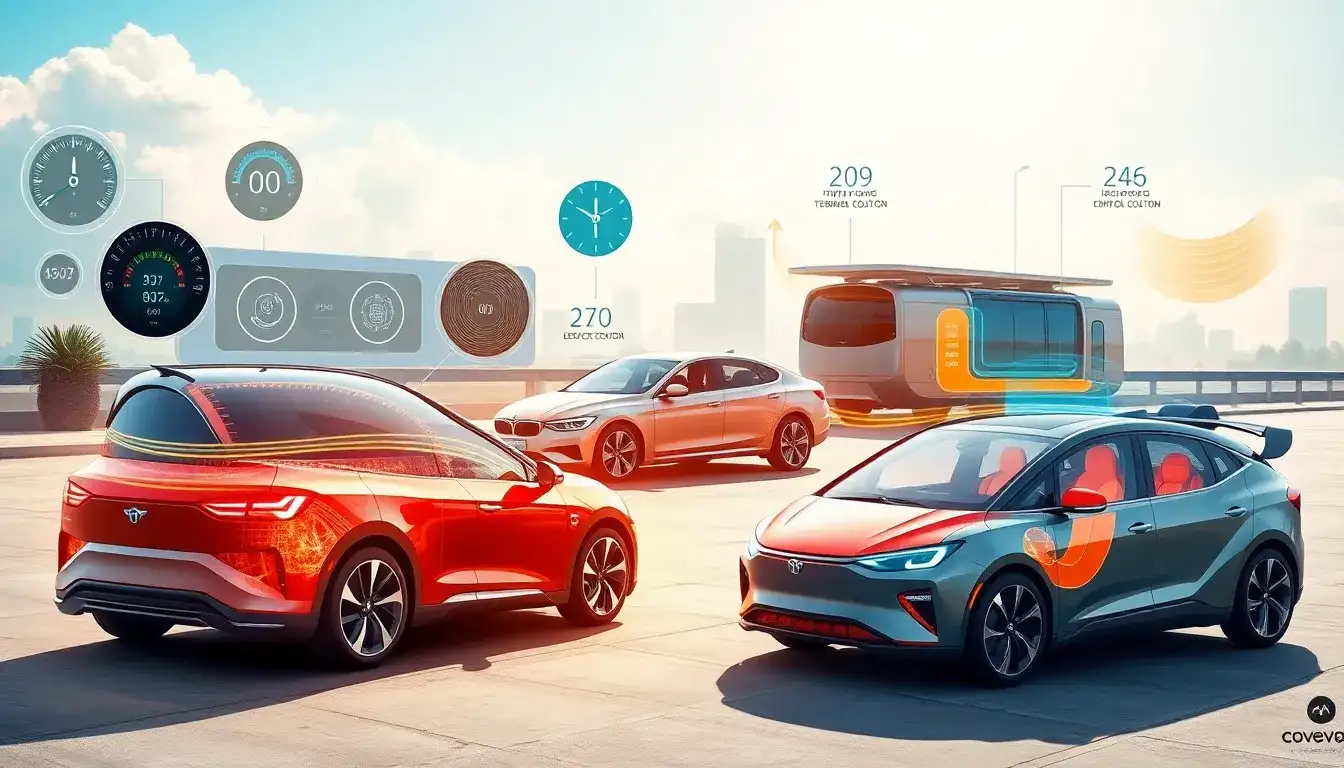
Electric vehicle (EV) models handle temperature regulation through sophisticated thermal management systems designed to keep critical components—the battery, motors, and electronic controls—within optimal temperature ranges for performance, efficiency, and longevity.
Key Aspects of EV Temperature Regulation
1. Battery Thermal Management
Batteries in EVs operate best between approximately 20 to 30°C (68 to 86°F). Thermal management systems maintain this range to optimize range and prevent damage or power loss. When the battery gets too hot, cooling systems activate to dissipate heat, and in cold weather, heating systems prevent the battery from dropping to temperatures that would degrade performance or cause longer charging times.
2. Cooling and Heating Systems
- Liquid Coolant Circulation: Most EVs use a closed-loop liquid coolant system that circulates coolant around the battery pack, inverter, and motor components. This system ensures these hardware parts remain between roughly 15 to 45°C. Liquid cooling is efficient at removing excess heat generated during operation and charging, preventing overheating that could trigger power limiting or shutdown.
- Refrigerant Use and Heat Pumps: Some EVs employ refrigerant-based thermal management. The same refrigerant used for cabin air conditioning can cool the battery pack using heat pump technology, which efficiently manages both heating and cooling needs depending on ambient temperatures.
3. Thermostats for Temperature Control
EV thermostats regulate the flow of coolant to the battery and motors by opening and closing valves based on temperature. A wax pellet inside the thermostat expands or contracts with temperature changes, mechanically controlling coolant circulation. This allows quick warm-up of components in cold conditions and effective cooling under heat stress, maintaining stability in operating temperatures and preventing overcooling or overheating.
4. Integration with Climate Control
Thermal management systems work alongside the vehicle’s climate control heaters and heat pumps to maintain passenger comfort without compromising battery and motor temperatures.
Summary Table of Temperature Regulation Features in EVs
| Component | Method of Temperature Regulation | Notes |
|---|---|---|
| Battery pack | Liquid coolant loop, thermostats, refrigerant/heat pumps | Maintains 20-30°C range, prevents degradation |
| Electric motors | Liquid cooling with thermostatic regulation | Keeps motors from overheating for performance |
| Electronic controls | Cooling integrated in thermal management system | Prevents shutdown/malfunction |
| Cabin environment | Climate control with refrigerants and heat pumps | Ensures occupant comfort, supports battery thermal management |
In essence, EV manufacturers deploy integrated thermal management systems combining liquid coolant circuits, thermostatic valves, refrigerant cooling, and heat pumps to dynamically regulate temperatures. This multi-faceted approach ensures that batteries and motors operate efficiently, expands component lifespan, and maintains vehicle range and performance regardless of external temperature conditions.
Original article by NenPower, If reposted, please credit the source: https://nenpower.com/blog/how-do-different-ev-models-handle-temperature-regulation/

