

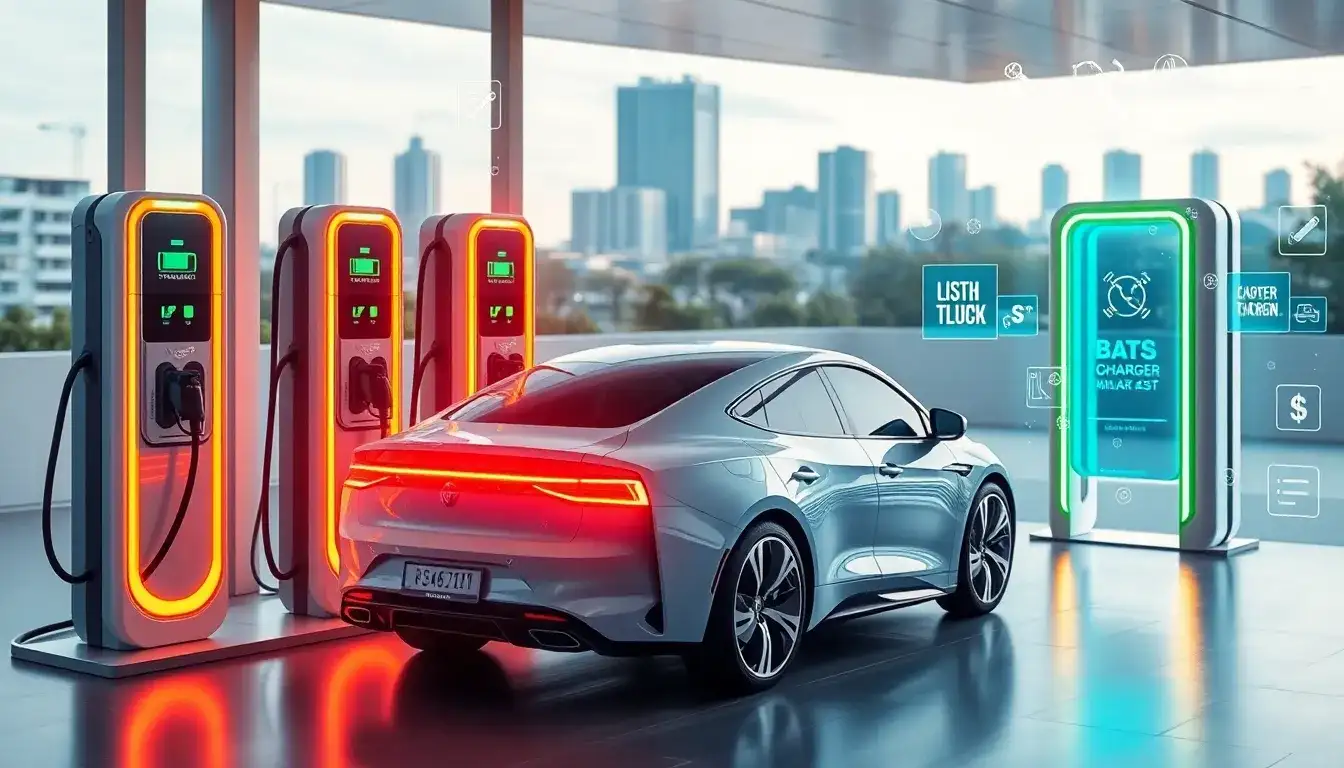
Different charging rates for electric vehicles (EVs) impact the operation and maintenance (O&M) costs primarily through the type of charging station used and its complexity:
- Level 1 Charging (Slowest, lowest power):
Level 1 chargers are the simplest, typically using a standard household 120V outlet. They have the lowest maintenance costs because they have fewer moving parts and simpler technology. Annual maintenance per charger averages about $400 or less. Since these chargers add only about 3-5 miles of range per hour, their usage tends to be less demanding, which further reduces wear and tear and associated maintenance costs. - Level 2 Charging (Moderate power):
Level 2 chargers require a dedicated 240V circuit and are more complex, often installed in homes or commercial locations for regular use. Their maintenance costs are higher than Level 1 due to their increased size, complexity, and exposure to environmental factors like weather. These chargers have more moving parts and components that can wear, which drives up maintenance expenses to around $400 annually or more depending on usage and installation specifics. - Level 3 Charging (DC Fast Charging, highest power):
Level 3 chargers provide rapid charging but are significantly more complex and costly to maintain. Maintenance costs for these fast chargers can be nearly double that of Level 1 or Level 2 chargers, sometimes exceeding $800 annually per charger. These chargers are primarily used in commercial or public fast-charging stations where higher usage and harsher conditions add to wear.
Summary: Higher charging rates correspond to more complex and costly charging equipment, leading to increased maintenance costs. Level 1 chargers are cheapest to maintain but slowest for charging, Level 2 chargers balance speed and cost but require more upkeep, and Level 3 fast chargers have the highest maintenance demands due to their complexity and commercial-grade usage.
In addition to charger maintenance costs, EVs themselves generally incur lower maintenance costs compared to gasoline vehicles due to fewer moving parts and less frequent service needs, but the choice of charging rate influences infrastructure upkeep expenses rather than the EV maintenance directly.
Original article by NenPower, If reposted, please credit the source: https://nenpower.com/blog/how-do-different-charging-rates-affect-the-maintenance-costs-of-an-ev/

