

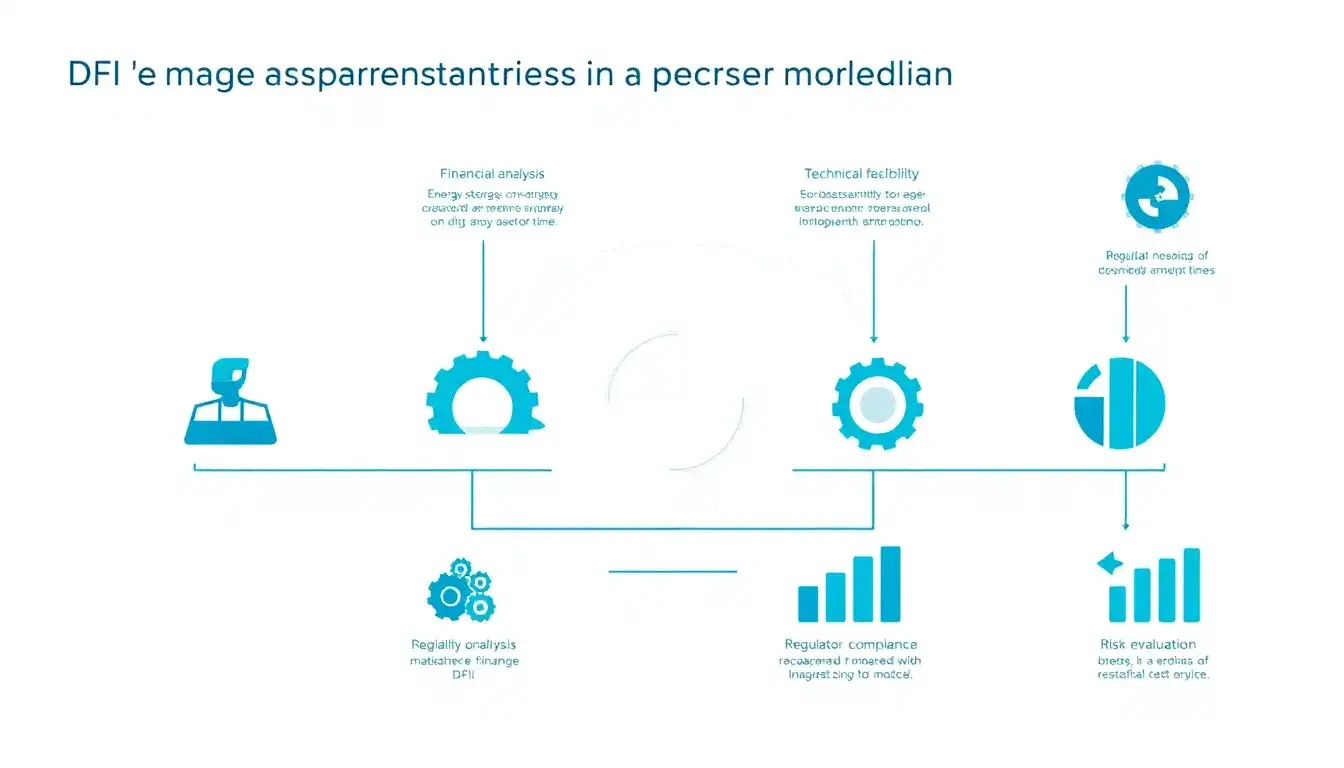
Assessing the creditworthiness of energy storage projects by Development Finance Institutions (DFIs) involves a nuanced approach that balances financial and developmental criteria. While there isn’t specific literature on how DFIs assess energy storage projects, general practices in credit assessment by DFIs can be applied to understand this process.
Key Considerations in Creditworthiness Assessment
- Financial Analysis: DFIs typically assess financials, including cash flow projections, debt servicing capacity, and expected returns on investment. For energy storage projects, this might involve analyzing the project’s revenue streams, operating costs, and potential disruptions due to technological or market changes.
- Risk Management: This includes evaluating operational risks, regulatory risks, and environmental risks associated with energy storage technologies. DFIs might require detailed risk assessments and mitigation strategies.
- Development Impact: DFIs are mandated to achieve development objectives alongside financial returns. They assess how projects align with these goals, such as supporting sustainable energy growth, enhancing energy security, and contributing to the attainment of Sustainable Development Goals (SDGs).
- Market and Technological Assessment: Understanding market demand for energy storage, competition, and technological advancements is crucial. DFIs may evaluate the project’s scalability and adaptability to future energy market conditions.
- Governance and Management: The governance structure, management expertise, and project management capabilities are important factors. DFIs ensure that the project has a robust and transparent governance framework.
- Environmental and Social (E&S) Compliance: Ensuring compliance with environmental and social regulations is vital. Projects must adhere to E&S covenants and demonstrate sustainability in their operations.
- Credit Enhancement Mechanisms: In some cases, DFIs may require additional credit enhancement mechanisms such as guarantees or insurance to mitigate risks.
Credit Assessment Process
The process involves:
- Initial Assessment: Proposals are typically initiated by the project originators and reviewed by risk management teams.
- Ongoing Monitoring: Continuous monitoring of the project’s progress against set metrics, including financial performance and development impact.
DFIs aim to provide financing that is not only commercially viable but also contributes positively to development goals, making them crucial in supporting innovative energy projects like energy storage systems. However, specific methodologies for energy storage projects might vary based on the institution and project specifics.
Original article by NenPower, If reposted, please credit the source: https://nenpower.com/blog/how-do-dfis-assess-the-creditworthiness-of-energy-storage-projects/

