

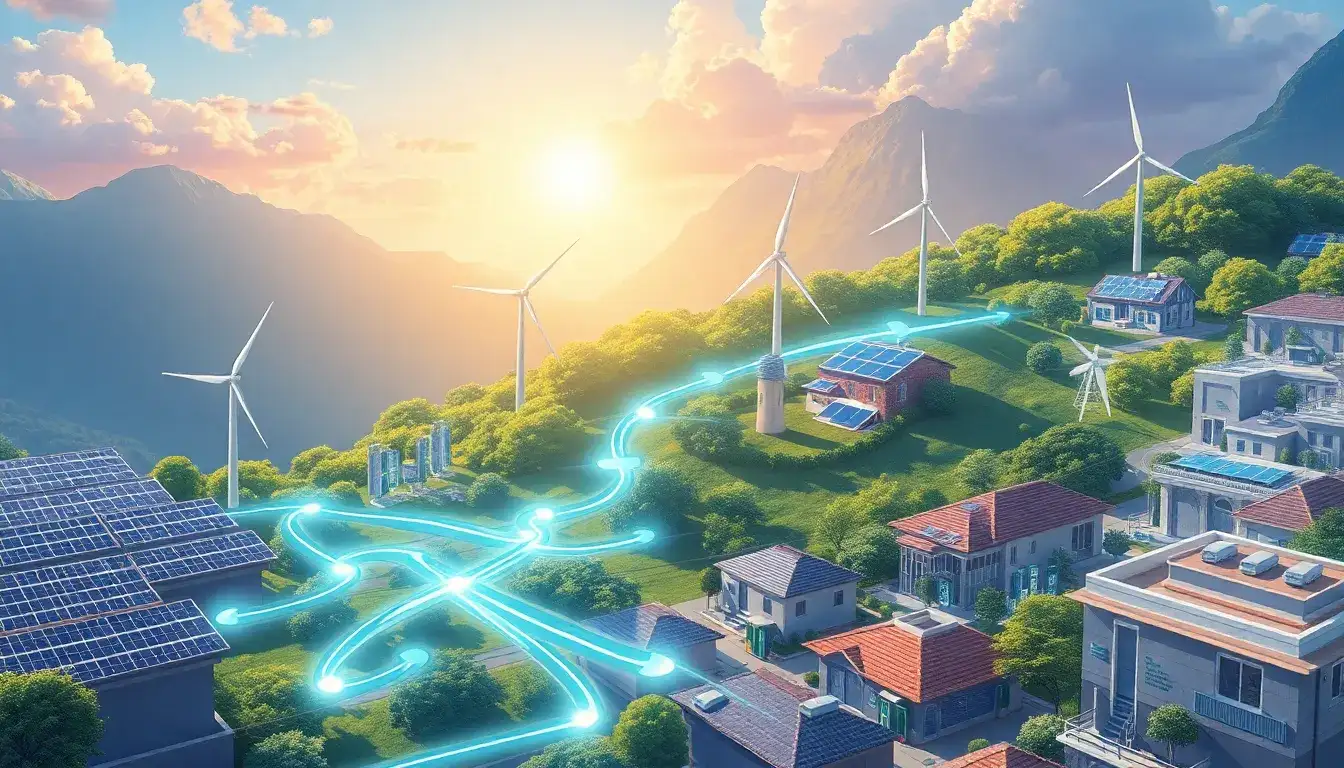
Distributed Energy Resources (DERs) significantly impact the overall efficiency of energy transmission by reducing transmission losses, enhancing grid reliability, and promoting the use of renewable energy sources.
Key Efficiency Impacts of DERs on Transmission
-
Reducing Transmission Losses:
- By generating electricity closer to where it is consumed, DERs minimize the inefficiencies associated with long-distance power transmission. Traditional centralized systems often lose around 5% of electricity during transmission, which amounts to a substantial amount of energy.
- DERs can virtually eliminate these losses by producing power locally, thus increasing the overall efficiency of the energy system.
-
Enhancing Grid Reliability:
- DERs provide multiple sources of power, making the grid more resilient to outages caused by equipment failures or extreme weather events.
- With numerous decentralized power sources, the risk of a large-scale outage is reduced because if one source fails, others can compensate.
-
Supporting Renewable Energy Integration:
- DERs allow for the widespread adoption of renewable energy sources like solar and wind, which are typically more intermittent than traditional fossil fuel-based power plants.
- The integration of DERs with storage (e.g., batteries) and demand response systems enables better management of intermittent renewable energy sources, ensuring a more reliable and efficient supply of electricity.
-
Avoiding Distribution System Upgrades:
- By reducing the strain on the grid, especially during peak demand periods, DERs can defer or eliminate the need for costly upgrades to distribution systems.
Challenges in Efficiency Improvements
Despite these benefits, there are challenges in fully realizing the efficiency improvements from DERs:
- Locational Value: The value of DERs varies significantly based on their location in the grid. Proper valuation and incentive structures are essential for optimal deployment.
- Regulatory Frameworks: Current regulatory frameworks often struggle to quantify and compensate for the full range of benefits provided by DERs, including their resilience and environmental value.
By addressing these challenges and properly integrating DERs into the grid, utilities and regulators can unlock significant efficiency gains and support a more sustainable energy future.
Original article by NenPower, If reposted, please credit the source: https://nenpower.com/blog/how-do-ders-impact-the-overall-efficiency-of-energy-transmission/

