

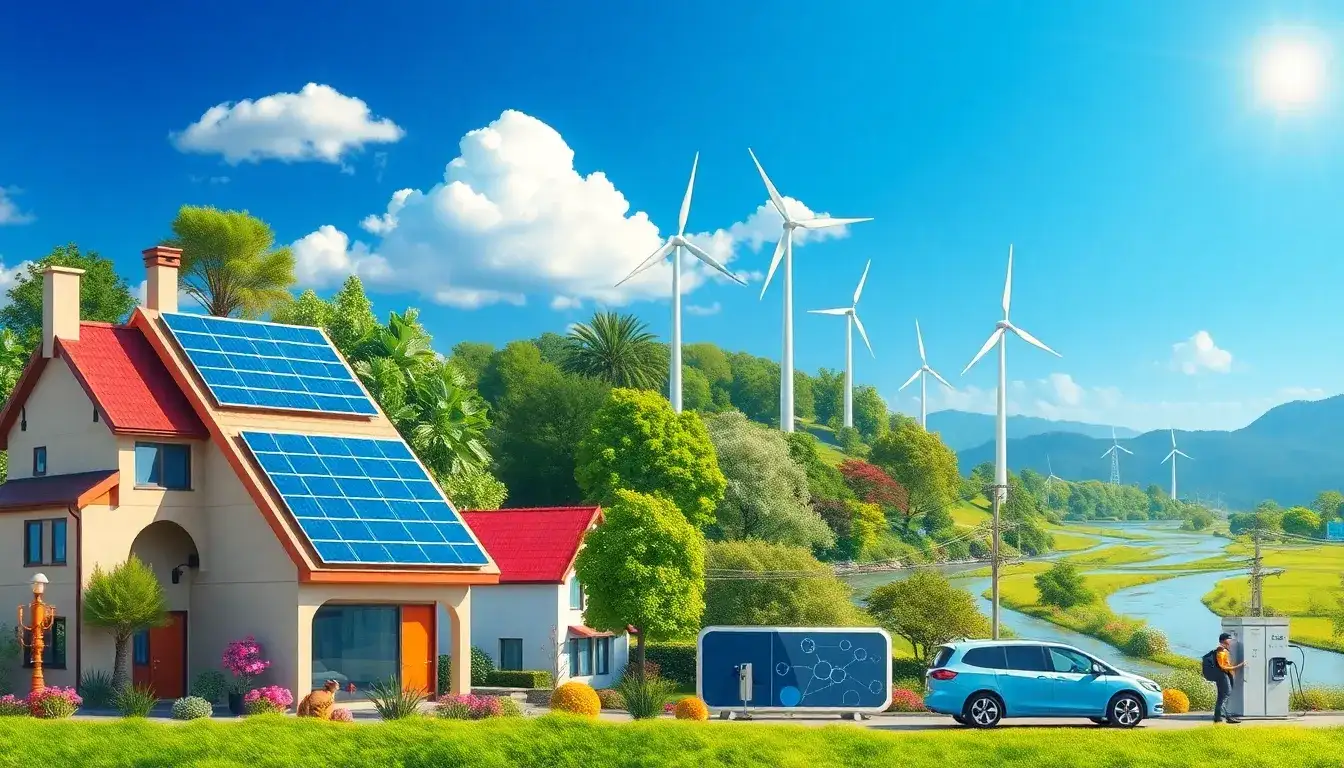
Distributed Energy Resources (DERs) contribute to environmental sustainability through several key mechanisms:
Reduced Transmission Losses and Increased Efficiency
- DERs generate electricity close to where it is consumed—at homes, businesses, or on the distribution grid. This proximity virtually eliminates the energy losses associated with long-distance electricity transmission, which can be as much as 5% in traditional centralized systems. This improves overall energy efficiency and reduces wasted energy.
Support for Renewable Energy Integration
- Many DER technologies utilize renewable energy sources, such as solar panels and wind turbines, which produce electricity without burning fossil fuels. By increasing the share of renewables on the grid, DERs reduce greenhouse gas emissions and dependence on carbon-intensive power plants.
Enhanced Grid Resilience and Reliability
- DERs improve the resilience of the power system by decentralizing electricity generation and storage. In case of outages or disruptions in the centralized grid, DERs can continue supplying power locally, reducing the likelihood of widespread blackouts and supporting community energy independence.
Demand Response and Energy Efficiency
- DERs include not only generation and storage but also energy efficiency measures and demand response programs that lower overall electricity consumption or shift usage to off-peak times. These reduce the need for additional power generation and decrease environmental impacts of energy production.
Environmental Benefits Beyond Emissions
- Using DERs like battery storage combined with renewables enables load balancing and grid stability without relying on fossil fuel peaker plants. This reduces air pollution and other environmental harms associated with conventional power plants.
In summary, DERs contribute to environmental sustainability by minimizing energy losses, facilitating renewable energy adoption, increasing grid resilience, and reducing overall electricity demand. These factors collectively help lower carbon emissions, reduce reliance on polluting energy sources, and support more sustainable energy systems.
Original article by NenPower, If reposted, please credit the source: https://nenpower.com/blog/how-do-ders-contribute-to-environmental-sustainability/

