

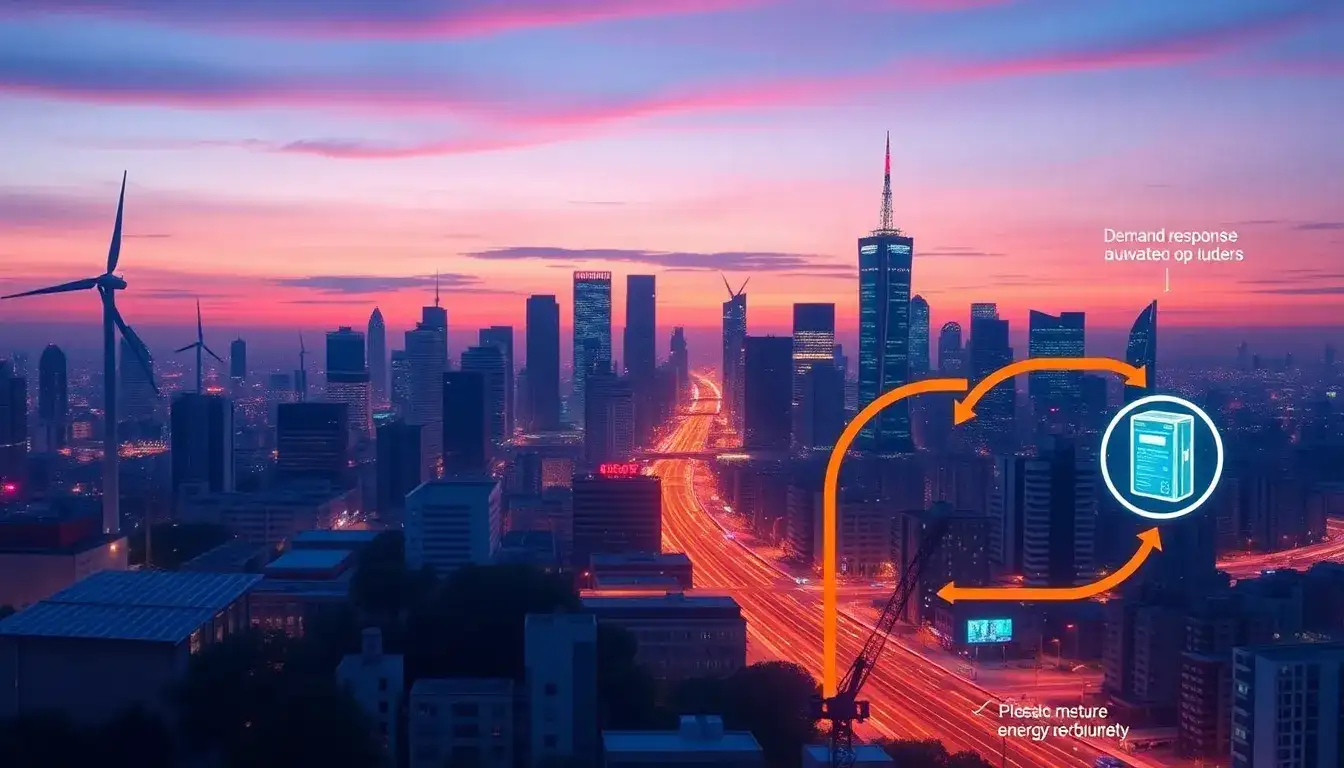
Demand response programs and energy storage play complementary roles in managing electricity grids, particularly as the integration of renewable energy sources increases. Here’s how they work together:
Overview of Demand Response and Energy Storage
- Demand Response: These programs involve shifting or adjusting electricity consumption to match supply. They often incentivize consumers to reduce usage during peak periods by offering lower rates at off-peak times or providing financial rewards for peak reduction.
- Energy Storage: This involves storing generated electricity for use at a later time. Technologies like battery energy storage systems (BESS) are widely used for this purpose, allowing excess energy from renewables to be saved and dispatched during peak demand.
How They Work Together
- Balancing Supply and Demand: Demand response helps adjust consumption patterns, while energy storage ensures that excess energy is stored and can be released as needed. This combination is essential for maintaining grid stability, particularly when renewable sources are variable.
- Real-Time Grid Management: By integrating energy storage with demand response, utilities can manage load in real-time more effectively. Energy storage can provide rapid response times, which are crucial for balancing grid frequency and managing short-term demand spikes.
- Economic Benefits: Combining demand response with energy storage can help defer costly infrastructure upgrades. Utilities can avoid buying expensive peak power by leveraging stored energy and reducing peak demand through demand response programs.
- Integration and Automation: Modern energy storage systems can be automated to respond to grid conditions without disrupting user operations. This automation, combined with demand response, creates a more dynamic and reliable grid management system.
Future Outlook
- As grids become more reliant on renewable energy, the integration of demand response and energy storage will become increasingly critical for maintaining grid stability and reducing emissions.
- Expected growth in virtual power plants (VPPs), which aggregate distributed assets like storage systems, will further enhance the flexibility and responsiveness of the grid.
Original article by NenPower, If reposted, please credit the source: https://nenpower.com/blog/how-do-demand-response-programs-work-in-conjunction-with-energy-storage/

