

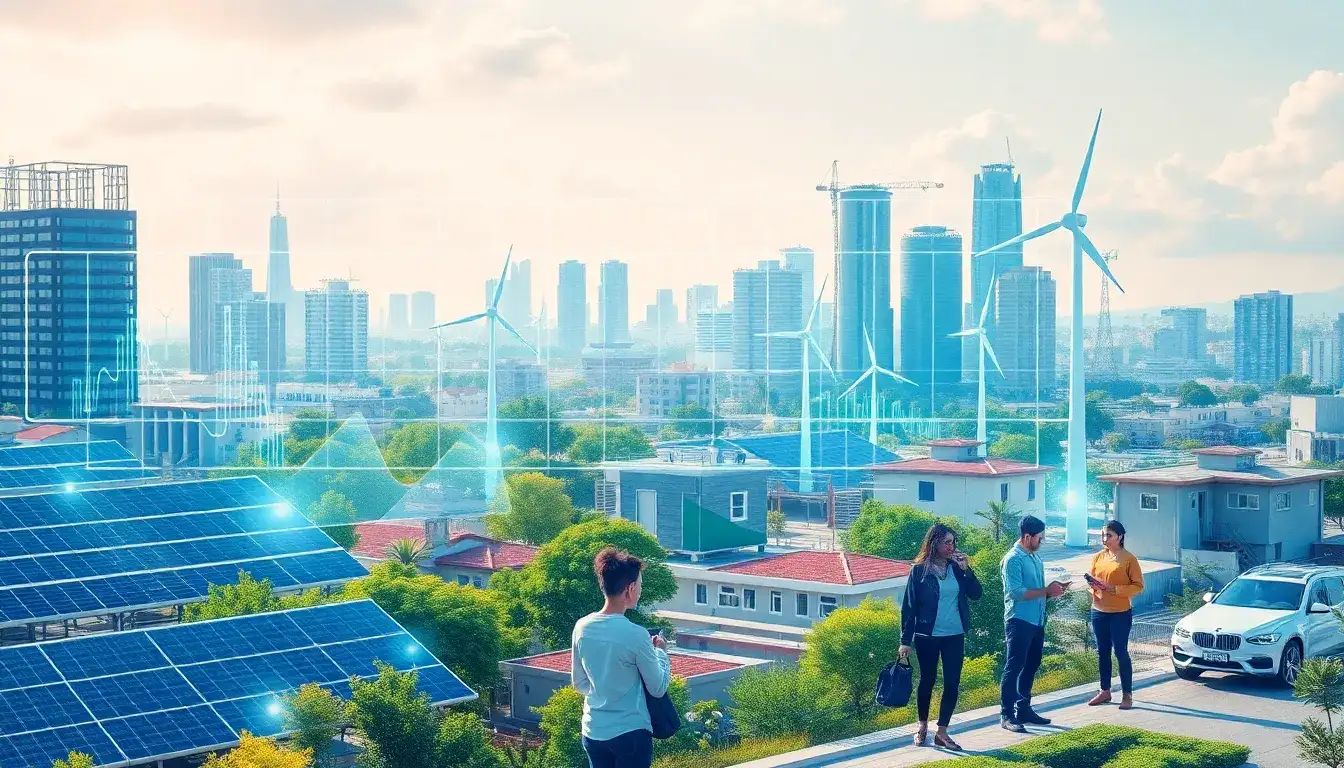
Demand response programs and virtual power plants (VPPs) contribute significantly to the financial viability of energy storage by creating revenue streams, enhancing grid flexibility, and optimizing energy use. Here’s how they work together to support energy storage financially:
Demand Response Programs and Energy Storage
- Financial Incentives and Revenue: Demand response programs provide financial compensation to energy users and storage operators who adjust or reduce their electricity consumption during peak demand or grid stress events. Energy storage systems can discharge stored energy at these times or absorb excess energy when demand is low, earning incentives such as bill credits, cash payouts, or lower energy bills.
- Avoided Costs: By shifting or reducing peak energy use, storage participating in demand response helps avoid costly peak generation or grid upgrades, translating into savings for both users and utilities.
- Grid Reliability and Support: Energy storage systems in demand response help maintain grid stability by providing reserves and reducing strain during peak hours. This reliability service can be monetized by participating in programs designed to prevent blackouts or power disruptions.
- Increased Utilization of Renewables: Demand response combined with storage enables better alignment of variable renewable energy (VRE) supply and demand, improving the capacity value of renewables and reducing dependence on conventional peaking plants. This operational flexibility makes storage assets more valuable.
Virtual Power Plants (VPPs) and Energy Storage
- Aggregation and Market Participation: VPPs aggregate multiple distributed energy resources, including energy storage units, to operate as a single power plant in energy and ancillary service markets. This aggregation allows smaller storage assets to access revenue opportunities that would be unavailable individually, thus improving their financial viability.
- Enhanced Flexibility and Revenue Streams: VPPs leverage storage’s ability to shift and modulate power delivery, enabling participation in demand response programs, frequency regulation, and capacity markets. This diverse set of value streams helps maximize returns on energy storage investments.
- Scalability and Optimization: By optimizing the dispatch of distributed storage assets, VPPs increase operational efficiency and reduce costs, further contributing to the economic case for storage deployments.
Summary
Both demand response programs and virtual power plants enhance the financial viability of energy storage by:
- Providing direct financial incentives and payments for shifting or reducing demand.
- Creating multiple revenue streams through grid services, capacity provision, and market participation.
- Increasing operational flexibility and utilization of renewable energy, thereby raising the value of stored energy.
- Enabling aggregation (via VPPs) of distributed storage assets to access broader markets and optimized dispatch.
Together, these mechanisms improve the ROI for energy storage projects and support a more resilient, flexible, and low-carbon electric grid.
Original article by NenPower, If reposted, please credit the source: https://nenpower.com/blog/how-do-demand-response-programs-and-virtual-power-plants-contribute-to-the-financial-viability-of-energy-storage/

