

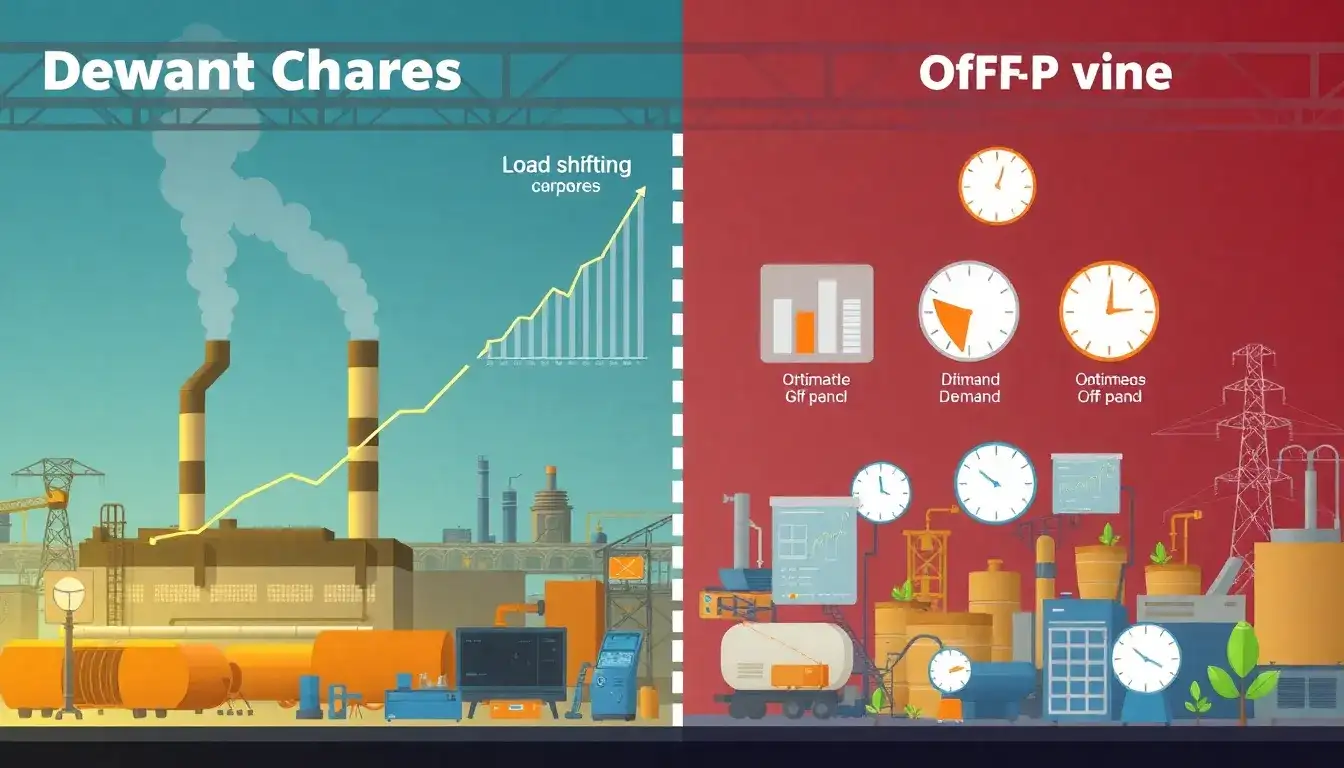
Demand charges significantly influence the decision to implement load shifting as they directly impact how businesses and consumers manage their electricity consumption. Here’s a breakdown of how this works:
What Are Demand Charges?
Demand charges are fees imposed by utilities based on the maximum power demand (in kilowatts) at any given time during a billing cycle, typically assessed during peak hours. These charges help utilities recover the costs of maintaining enough generation capacity to meet peak demand periods. Demand charges are especially relevant for commercial and industrial (C&I) customers, as they often make up a substantial portion of their electricity bills.
How Demand Charges Influence Load Shifting
- Incentivizes Lower Peak Consumption: Demand charges create a financial incentive for customers to reduce their peak electricity consumption. By shifting loads from peak to off-peak hours, businesses can avoid high demand charges during peak periods.
- Operational Flexibility: Load shifting involves moving energy consumption from one time period to another. This strategy relies on the ability to adjust operational schedules or use energy storage solutions like batteries to reduce peak consumption. The goal is to lower the maximum demand spike during peak hours, thereby reducing demand charges.
- Cost Savings through Load Shifting: While load shifting may not decrease the total amount of energy used, it can result in significant cost savings by avoiding high demand charges during peak times. This approach is particularly effective when combined with energy storage solutions, which allow businesses to shift usage without disrupting operations.
- Impact on Business Decisions: The decision to implement load shifting is strongly influenced by the potential cost savings from reducing demand charges. Businesses often choose load shifting strategies if they have flexible operations that can be easily rescheduled or if they can benefit from energy storage technologies.
Conclusion
In summary, demand charges are a critical factor in the decision to implement load shifting. By understanding how demand charges work and how they impact electricity bills, businesses can make informed decisions about shifting their energy usage to optimize costs and operational efficiency. Load shifting strategies, often with the aid of energy storage solutions, can significantly reduce these charges, leading to financial benefits and more sustainable energy management practices.
Original article by NenPower, If reposted, please credit the source: https://nenpower.com/blog/how-do-demand-charges-affect-the-decision-to-implement-load-shifting/

