

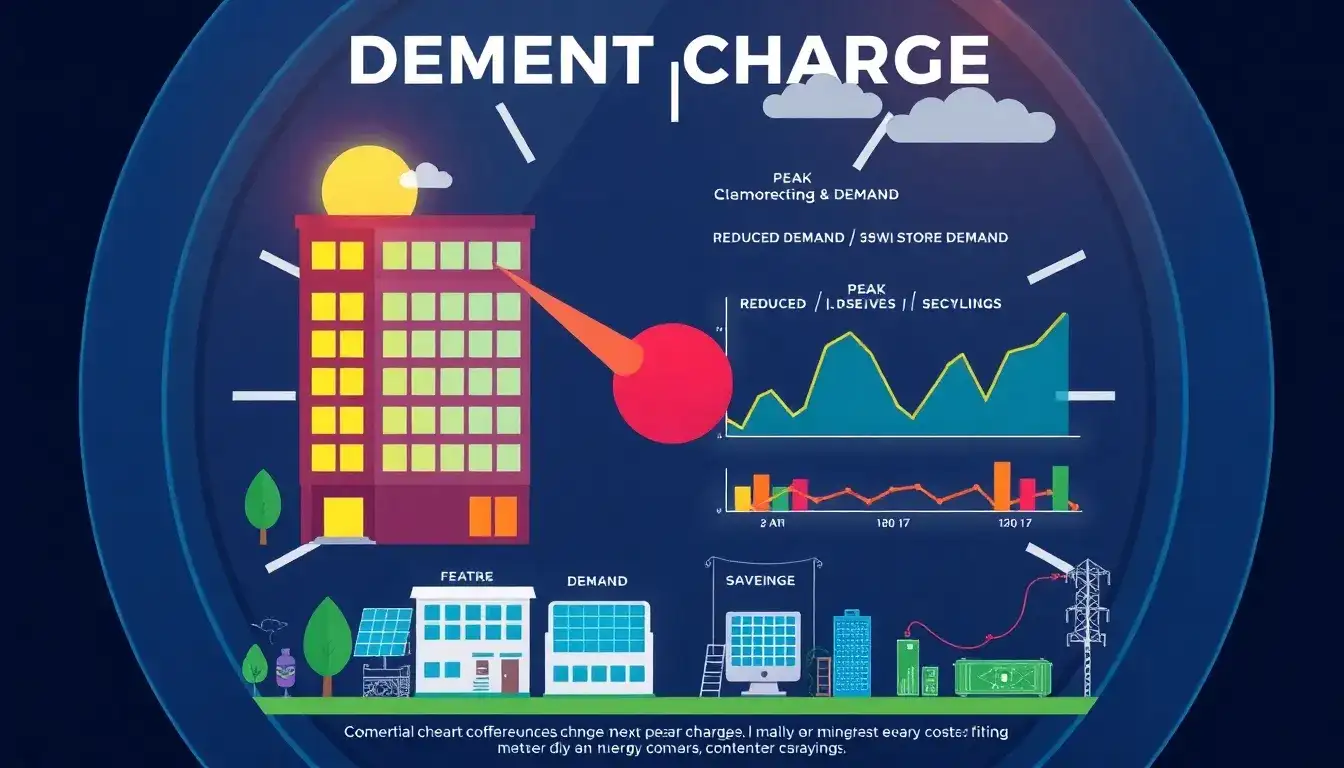
Demand charges significantly influence the potential cost savings achievable through peak shaving, a strategy aimed at reducing a facility’s maximum power demand during peak billing periods. Understanding how demand charges work is crucial for businesses looking to optimize their energy costs.
What Are Demand Charges?
Demand charges are fees imposed by utility companies based on the highest level of power usage, typically measured in kilowatts (kW), during specific time intervals within a billing cycle. These charges reflect the need for utilities to maintain infrastructure capable of meeting peak electricity demands, which can necessitate substantial investment in power generation and distribution systems. As a result, demand charges can account for 30% to 70% of a commercial customer’s electricity bill, making them a significant cost factor.
Types of Demand Charges
Understanding the type of demand charges applicable to a business can further illuminate their impact:
- Max/Non-coincidental Demand Charges: Based on a customer’s highest kW demand within a billing period, regardless of utility peak times.
- Time-of-Use (TOU) Demand Charges: Aligned with the utility’s peak demand periods, often resulting in higher fees during specific timeframes.
- Flat Charges: A fixed rate per kW assessed based on a single demand reading.
- Tiered Charges: Varying rates depending on whether the demand exceeds certain thresholds, often incorporating ratchet clauses that ensure minimum billing amounts.
How Peak Shaving Works
Peak shaving involves strategies to reduce energy consumption during periods of highest demand, often utilizing energy storage systems (ESS) and on-site generation sources like solar panels. The goal is to flatten demand peaks, reducing the amount of electricity drawn from the grid during peak times to minimize or eliminate demand charges.
Mechanisms of Peak Shaving
- Energy Storage Systems: ESS can store energy during off-peak times (when electricity is cheaper) and discharge it during peak periods to meet demand without drawing from the grid. This helps to avoid costly demand charges that occur when usage spikes.
- On-Site Generation: Facilities can use renewable energy sources or backup generators to supply power during peak times, further alleviating the demand on the grid.
- Automated Control Systems: Advanced energy management systems can automatically adjust energy consumption patterns to prevent excessive demand spikes.
Cost Savings from Peak Shaving
The savings from implementing peak shaving can be significant:
- Reduction in Demand Charges: Through effective peak shaving, businesses can see significant reductions in demand charges by avoiding excess consumption during peak hours. This can result in savings that make up a substantial portion of their total electricity bill.
- Improved Load Factor: By reducing peak demand, businesses can achieve a better load factor, potentially qualifying for more favorable electricity supply rates in deregulated markets. This can lead to further savings over time.
- Enhanced Operational Flexibility: With reduced reliance on grid power during peak times, businesses can operate more smoothly without the risk of unexpected cost spikes.
Conclusion
In summary, demand charges play a critical role in the overall electricity costs for many businesses. By employing peak shaving strategies, organizations can significantly cut these costs and enhance energy efficiency. Effective management of energy consumption not only leads to lower demand charges but also contributes to a more stable and sustainable energy grid.
Original article by NenPower, If reposted, please credit the source: https://nenpower.com/blog/how-do-demand-charges-affect-the-cost-savings-of-peak-shaving/

