

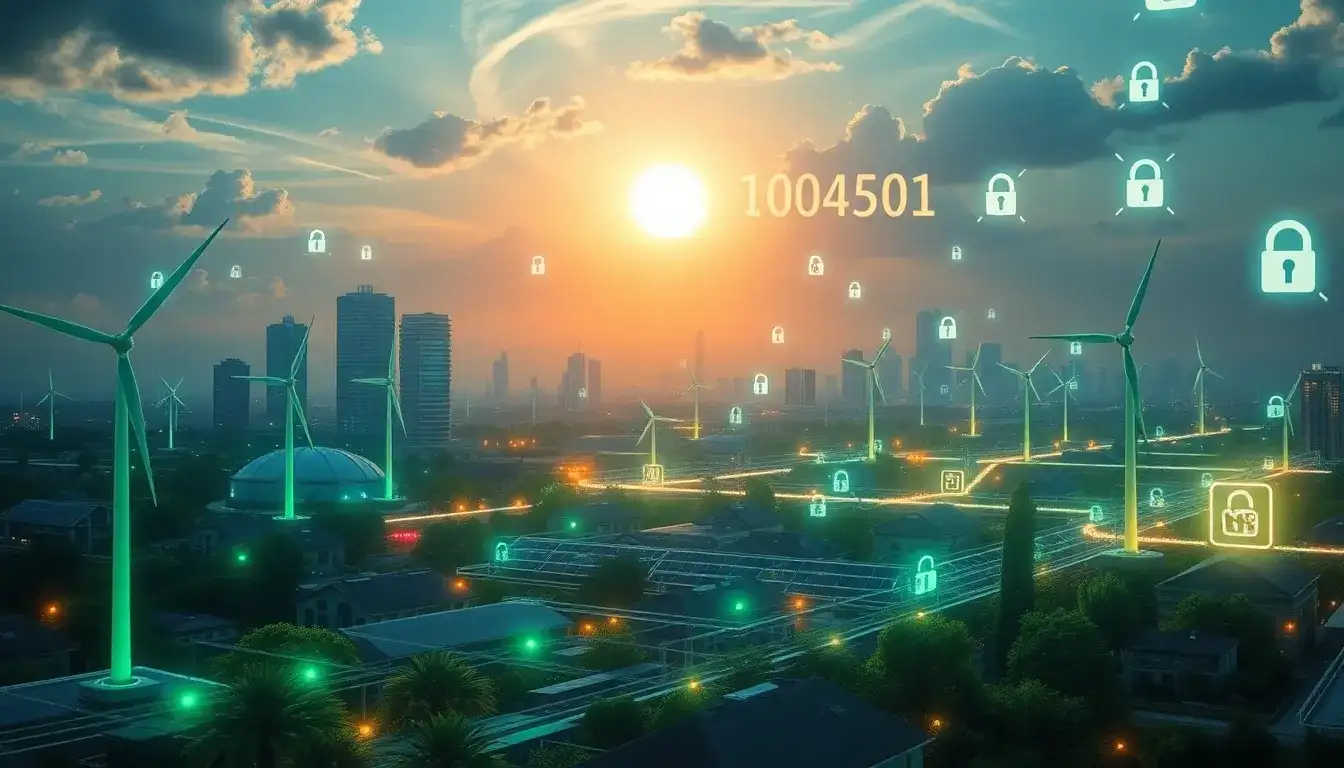
Cybersecurity Threats Impacting Smart Grids and Renewable Energy Integration
Heightened Digitization and Interconnected Devices
- Vulnerabilities in Renewable Energy Systems: The rapid expansion and digitization of renewable energy sources, such as solar and wind power, increase the attack surface. Interconnected devices like PV inverters and battery management systems can be vulnerable to cyber-attacks, compromising grid stability.
- Complex Integration Challenges: Integrating renewable energy with smart grids requires complex systems to manage variable and decentralized power sources. This complexity introduces new cybersecurity risks as diverse systems interact and interoperate.
Types of Cyber Threats
- Ransomware and Malware: These can disrupt operations by targeting critical infrastructure like power generation and transmission systems. For example, ransomware attacks can hold systems hostage until demands are met.
- DDoS Attacks: Distributed Denial of Service attacks can overwhelm systems, disrupting communication and control functions within smart grids.
- Insider Threats: Authorized personnel can intentionally compromise systems or accidentally create vulnerabilities, posing risks to both data and operational integrity.
Consequences of Cyber Threats
- Grid Disruptions: Cyber-attacks can lead to power outages, affecting public safety and economic stability.
- Data Privacy Concerns: Breaches can expose sensitive data related to energy consumption patterns or grid operations, which can be used for further malicious activities.
- Economic Impacts: Attacks can result in significant financial losses due to operational disruptions and recovery efforts.
Mitigation Strategies
- Advanced Cybersecurity Measures: Implementing technologies like Virtual Dispersive Networking (VDN) can protect against Man-in-the-Middle attacks by dispersing data over multiple paths.
- Penetration Testing: Regularly testing systems for vulnerabilities helps identify and address risks before they become critical.
- Segmentation and Compliance: Segmentation of networks and ensuring compliance with industry regulations can reduce the risk of widespread disruptions.
By addressing these cybersecurity challenges, the transition to a renewable energy-powered smart grid can be both secure and efficient, ensuring a resilient energy supply for future generations.
Original article by NenPower, If reposted, please credit the source: https://nenpower.com/blog/how-do-cybersecurity-threats-impact-the-integration-of-renewable-energy-into-smart-grids/

