

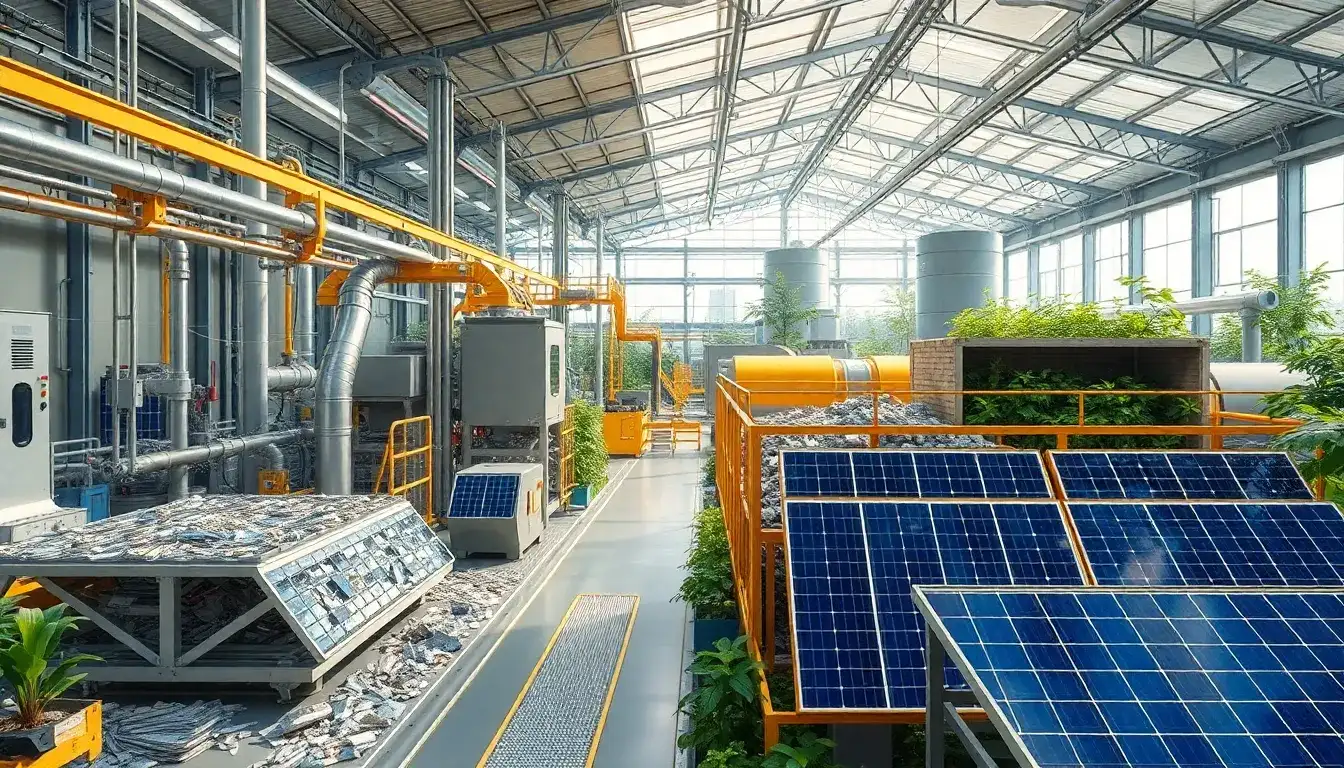
Current regulations addressing photovoltaic (PV) recycling infrastructure are in a state of active development and vary by jurisdiction, but several key trends and initiatives are shaping how end-of-life (EoL) solar panels are managed:
Regulatory Framework and Classification
- Solar panels are often classified as hazardous waste due to toxic materials such as lead and cadmium contained in some panels. This classification drives regulations focusing on safe disposal and recycling practices to mitigate environmental harm.
- Some jurisdictions, like California, regulate PV modules under universal waste regulations, which streamline handling, transport, and storage requirements while prohibiting unsafe recycling methods such as heat and chemical treatments.
Emerging Policies and Programs
- Several U.S. states have proposed or are considering legislation specifically targeting PV module recycling. For example, Rhode Island proposed establishing a Photovoltaic Module Stewardship and Takeback Program, and advisory groups have been formed in California and Hawaii to study and recommend policies.
- Industry and government working groups in states like California, Illinois, and Minnesota are actively exploring effective EoL management strategies for PV modules to inform regulatory evolution.
Producer Responsibility and Recycling Targets
- Current regulations increasingly emphasize extended producer responsibility (EPR), requiring manufacturers to take part in managing the disposal and recycling of PV panels at the end of their life.
- Recycling targets and accountability measures are being proposed or implemented in various regions to increase the recovery rates of valuable materials like silicon, silver, copper, and aluminum, contributing to circular economy goals.
Federal Initiatives and Future Rules
- The U.S. Environmental Protection Agency (EPA) is planning to propose new rules aimed at improving management and recycling of end-of-life solar panels and associated lithium batteries, suggesting an impending federal regulatory framework enhancement.
Challenges and Needs
- Despite these developments, current recycling technology and infrastructure are not yet optimized for cost-effective recovery of materials from PV modules, indicating the need for ongoing regulatory support and industry collaboration to build efficient recycling systems.
- The expected increase in PV waste (potentially millions of metric tons annually by mid-century) underscores the urgency of implementing robust recycling infrastructure and policies to handle the volume sustainably.
Summary Table of Key Regulatory Aspects
| Regulation Aspect | Current Status | Proposed Changes and Trends |
|---|---|---|
| Hazardous Waste Classification | Solar panels often classified as hazardous waste | Stricter disposal guidelines to ensure safety |
| Producer Responsibility | Some regions require manufacturer involvement in EoL management | Extended producer responsibility programs being developed |
| Recycling Targets | Varying mandatory recycling rates | Higher targets and accountability to promote circularity |
| Regulatory Programs | State initiatives and advisory groups active | Federal EPA rule proposals for improved management |
| Technology & Infrastructure | Not yet optimized for cost-effective recycling | Calls for enhanced infrastructure and research |
In sum, current regulations are evolving to address the need for PV recycling infrastructure by classifying solar panels as hazardous waste, promoting producer responsibility, setting recycling targets, and encouraging the development of both state and federal policy frameworks. However, comprehensive recycling infrastructure and cost-effective technologies remain under development, requiring continued regulatory focus and collaboration among stakeholders.
Original article by NenPower, If reposted, please credit the source: https://nenpower.com/blog/how-do-current-regulations-address-the-need-for-pv-recycling-infrastructure/

