

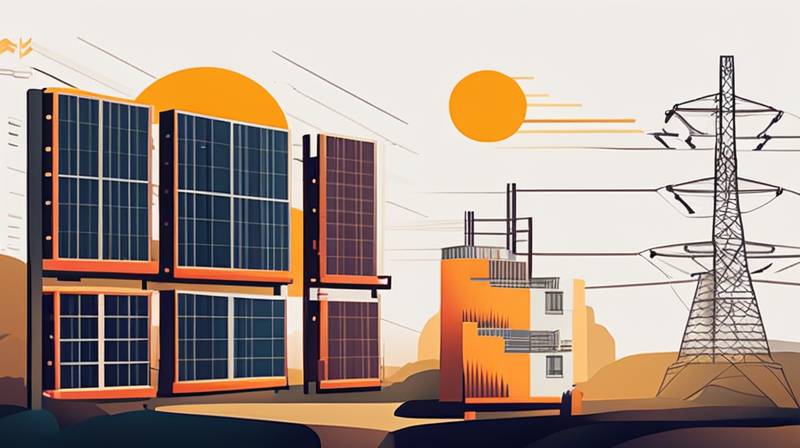
1. Congo’s grid expansion plans significantly influence residential energy storage needs by altering energy accessibility, integration of renewable sources, and economic dynamics, thus prompting a reassessment of energy solutions at the household level. 2. Improved infrastructure may lessen reliance on personal storage solutions. 3. The evolving energy landscape could encourage investment in more communal energy sources. 4. Enhanced grid reliability will shift consumer perspectives on energy independence and security.
INTRODUCTION TO CONGO’S GRID EXPANSION PLANS
The Democratic Republic of the Congo (DRC) is undergoing substantial efforts aimed at expanding and modernizing its electrical grid infrastructure. This initiative is primarily spurred by the urgent need to enhance energy access in a country that houses vast natural resources yet has long been plagued by inadequate energy distribution systems. The ambitious grid expansion not only seeks to connect remote areas but also aims to integrate more renewable energy sources into the national grid, fostering a sustainable energy future. As the country progresses in its electrification efforts, there are noteworthy implications for residential energy storage solutions that could fundamentally reshape the energy paradigm for households.
Congo’s grid expansion is pivotal for socioeconomic growth, as it promises to provide electricity to millions who currently lack access. The enhancements will facilitate improved quality of life through better healthcare, education, and economic opportunities. However, this infrastructure transformation is also likely to affect how residents view their energy storage needs. With improved grid connectivity and reliability, individuals may reconsider the necessity for personal energy storage solutions, impacting how investments in these technologies evolve.
IMPACT OF GRID EXPANSION ON ENERGY ACCESSIBILITY
Enhanced energy access is one of the most profound effects of Congo’s grid expansion plans. As new transmission lines and substations are established, an unprecedented number of homes will gain the ability to connect to the national electricity grid. By ultimately serving remote and underprivileged communities, this expansion could tremendously reduce energy poverty in the DRC. More people having access to reliable electricity opens doors to utilizing domestic appliances, lights, and charging stations, drastically changing the energy consumption landscape.
This improvement in energy accessibility affects the demand for residential energy storage in various ways. As more homes become connected to a stable power supply, the immediate need for individual energy storage systems may diminish. Households previously reliant on batteries or generators may experience less urgency to invest in these technologies when reliable grid electricity is available. However, it is essential to understand that while the grid expansion presents increased accessibility, it does not completely eliminate the necessity for energy storage solutions. Events such as blackouts, grid maintenance, and energy shortages can still occur, emphasizing that many residents may prioritize energy independence alongside grid connectivity.
RENEWABLE ENERGY INTEGRATION WITH GRID EXPANSION
The integration of renewable energy sources heralded by Congo’s grid expansion provides another significant layer of complexity regarding residential energy storage requirements. By introducing solar, wind, and hydroelectric power into the grid system, homeowners will have enhanced access to sustainable energy alternatives. This renewable integration leads to a diversified energy mix that can stabilize supply, especially in a nation abundant in natural resources such as the Congo River Basin.
With an increase in renewable energy sources, households might either desire or require energy storage technologies to optimize their energy use. Energy storage systems can absorb surplus power generated during peak production from renewables, allowing households to use that energy later when demand is high or generation is low. Consequently, this dynamic encourages residents to invest in energy storage systems that can efficiently manage their energy consumption in conjunction with grid-supplied electricity. Individuals may become more empowered to generate their own electricity using rooftop solar panels while simultaneously having storage solutions to ensure availability during off-peak hours.
ECONOMIC IMPLICATIONS OF GRID EXPANSION ON RESIDENTIAL ENERGY STORAGE
The economic landscape of residential energy storage is undoubtedly linked to the success of Congo’s grid expansion plans. As the grid becomes more stable and reliable, the cost-effectiveness of energy storage technologies may shift, affecting consumer behavior and investment strategies. Larger-scale energy storage solutions could be incentivized by national and international funding aimed at improving energy independence and championing sustainable practices.
With these developments, the financial implications are twofold; the operating costs of energy storage installations may rise due to greater demand, yet economies of scale could lower prices for consumers. Residents observing these fluctuations will need to carefully consider the economic viability of these systems in comparison to potential energy savings realized from being connected to a consistent power supply. Furthermore, cooperative investment in community or neighborhood-level storage facilities may gain traction as a viable alternative, allowing multiple households to share the upfront costs associated with these technologies.
RESIDENTIAL ENERGY SECURITY AND STORAGE NEEDS
The evolution of energy security due to enhanced grid reliability poses another compelling rationale for residential energy storage adoption. Residents traditionally invested in energy storage systems to counter blackouts and provide backup during outages. However, as the Congo’s electrical infrastructure transforms, the perception of energy security will likely evolve. Individuals may begin to view energy storage as a complementary solution rather than a primary necessity.
Nevertheless, energy independence will continue to hold importance in many households, especially among those in regions where grid reliability remains uncertain. As a result, many Congolese may still pursue energy storage solutions, albeit potentially opting for smaller-scale installations that work in tandem with the grid rather than large, standalone systems. The changing mindset around energy storage needs as grid improvements happen will undoubtedly create diversely nuanced perspectives that balance reliability and independence.
FAQs
WHAT ARE THE PRIMARY OBJECTIVES OF CONGO’S GRID EXPANSION PLANS?
Congo’s electrical grid expansion plans revolve around several key objectives. Most significantly, these plans aim to enhance electricity access for underserved populations across the nation. Recognizing that nearly two-thirds of the Congolese population lacks reliable access to electricity, the grid expansion seeks to develop and extend transmission lines, upgrade existing infrastructure, and incorporate renewable energy sources. By achieving these goals, it is expected that the initiatives will bolster economic development, enhance education and healthcare services, and improve the overall quality of life for countless individuals.
Furthermore, integrating renewable energy—particularly hydropower, solar, and wind—into the grid aligns with global sustainability trends. As a country rich in natural resources, leveraging these will not only mitigate reliance on fossil fuels but will also position Congo as a regional player in renewable energy production. The focus on diversifying energy sources through harmonized grid operations also aims to create economic stability, ultimately impacting both industrial sectors and residential energy consumption patterns.
HOW DOES GRID EXPANSION AFFECT THE COST OF ENERGY STORAGE TECHNOLOGIES?
The ongoing efforts to expand Congo’s electrical grid may have both direct and indirect effects on the affordability of energy storage technologies. As grid connectivity improves, the economic landscape in which households and businesses operate undergoes transformation. With an increased reliance on the grid, there could be a reduction in immediate demand for home-based energy storage systems. Such a shift may initially contribute to rising costs for energy storage technologies, as suppliers respond to changing consumer preferences and market dynamics.
Conversely, as the energy storage market matures, innovations and efficiencies may yield lower production costs, ultimately benefiting consumers. Additionally, economies of scale can emerge as demand for energy storage solutions simultaneously rises and technology becomes more widespread. With strategic government policies and incentives supporting energy storage initiatives, the net effect of ongoing grid improvements may lead to an eventual normalizing of prices, making energy storage more accessible for residents in the Congo seeking stable energy solutions.
WILL RESIDENTS STILL RESTRICT ENERGY USE DESPITE GRID EXPANSION?
Even with improved connectivity and reliability resulting from Congo’s grid expansion, it is plausible that residents will still exercise caution regarding their energy consumption patterns. Cultural factors, as well as persistent economic constraints, may cultivate a mindset of resourcefulness among households, prompting them to prioritize energy conservation behaviors. Moreover, the historical backdrop of energy unreliability might instill a sense of apprehension in residents, leading them to value personal energy security.
Families may opt to maintain lower energy consumption habits despite having access to a stable grid. Issues such as environmental awareness and sustainability may further fuel these conservative usage habits, driving individuals to utilize energy-efficient appliances and limit excessive reliance on electricity. Therefore, while the grid expansion significantly advances energy accessibility, the legacy of past energy challenges may still influence current practices and perceptions surrounding energy use.
Grid expansion and the evolution of energy access in the DRC will largely influence the domestic energy narrative regarding storage. Ultimately, while enhanced reliability may decrease the urgency for residential energy storage, it will not negate its relevance entirely. As socio-economic conditions strengthen and renewable integration evolves, the residential energy dynamics will continuously shift, creating a multifaceted landscape for energy management approaches. The developments will encourage households to seek solutions that align with their energy needs while still providing them with options to enhance their security and independence.
Original article by NenPower, If reposted, please credit the source: https://nenpower.com/blog/how-do-congos-grid-expansion-plans-affect-the-need-for-residential-energy-storage/

