

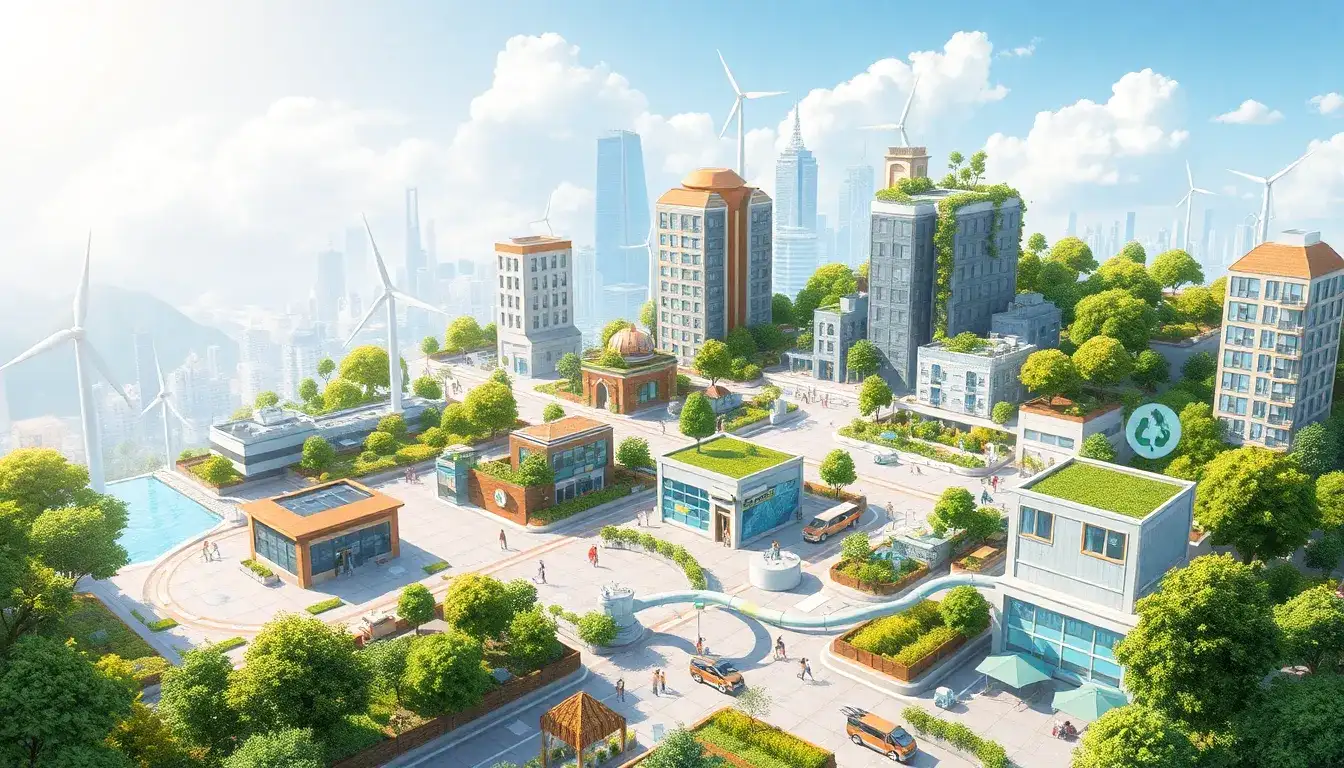
Closed-loop systems reduce environmental impacts primarily by minimizing waste, conserving resources, and lowering greenhouse gas emissions through more efficient, circular processes.
How Closed-Loop Systems Reduce Environmental Impacts
- Waste Reduction and Recycling: Closed-loop systems reuse or recycle materials within the production process instead of discarding them. This drastically cuts the amount of waste sent to landfills and limits pollution, contributing to less environmental degradation.
- Resource Efficiency: These systems maximize the use of resources such as water and energy per unit of output. Studies show closed-loop systems can reduce water use and energy consumption significantly compared to traditional linear systems, improving sustainability metrics.
- Lower Carbon Footprint and Greenhouse Gas Emissions: By reducing reliance on virgin materials and improving energy efficiency, closed-loop systems have a smaller carbon footprint. For example, one study demonstrated an 80% waste reduction and halved greenhouse gas emissions per output unit, compared to baseline linear processes.
- Preservation of Natural Habitats and Reduced Land Use: Certain closed-loop technologies, such as closed-loop geothermal energy systems, use significantly less land than other renewable energy options, thereby preserving natural habitats and minimizing land clearing.
- Minimal Water Impact: Advanced closed-loop systems recycle water multiple times during operations (such as drilling), conserving local water resources and reducing environmental strain especially in water-scarce regions.
- Improved Product Lifetimes and Resource Recovery: Closed-loop manufacturing extends product life cycles and enables more efficient recovery of materials at end-of-life. This reduces the demand for raw material extraction and supports a more sustainable, circular economy.
- Economic and Operational Benefits that Support Sustainability: Closed-loop systems reduce material costs by reusing recovered materials and can create new revenue streams from these materials. This economic viability encourages wider adoption and further environmental benefits.
In summary, closed-loop systems reduce environmental impacts by creating a circular flow of materials that minimizes waste, conserves water and energy, lowers carbon emissions, reduces land use, and supports resource-efficient manufacturing and energy generation. This approach enables sustainable production aligned with carbon-neutral or net-zero goals across industries.
Original article by NenPower, If reposted, please credit the source: https://nenpower.com/blog/how-do-closed-loop-systems-reduce-environmental-impacts/

