

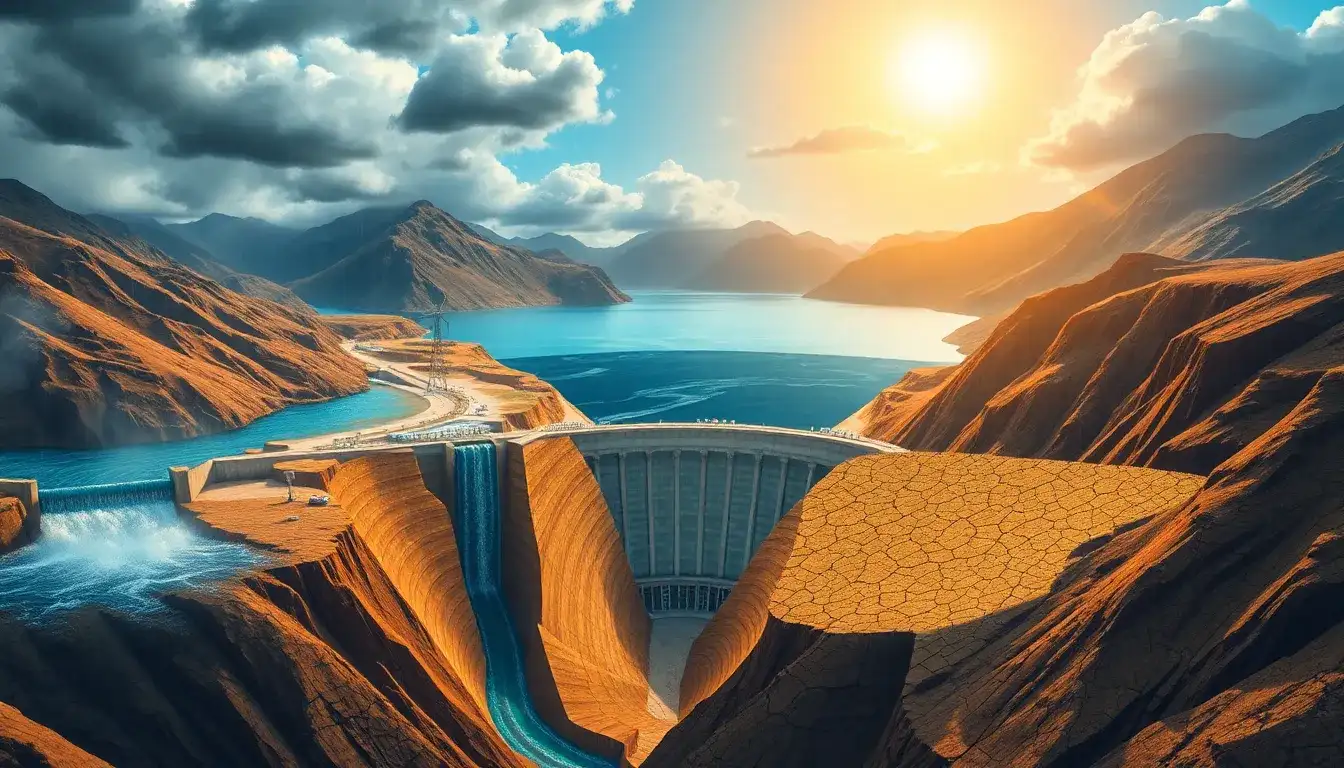
Climate events significantly influence the longevity and operational viability of pumped hydroelectric facilities, primarily through their impacts on water availability, seasonal runoff patterns, and the frequency of extreme weather events.
Influence of Climate Events on Pumped Hydroelectric Longevity
1. Water Availability and Seasonal Runoff Changes
- Pumped hydro facilities rely on water reservoirs at different elevations to generate electricity. Variations in precipitation and runoff due to climate change directly affect the volume of water available in these reservoirs.
- Studies indicate that while overall annual runoff may slightly increase in some regions of the continental United States, seasonal runoff—especially in summer—is projected to decrease by the mid-21st century. This is critical because summer reductions in runoff can limit water availability when electricity demand is often high.
- Run-of-river hydropower facilities, which have smaller storage capacity and less operational flexibility compared to pumped storage, are particularly vulnerable to these seasonal reductions in runoff.
2. Operational Flexibility and Resilience Challenges
- The longevity of pumped hydro facilities is linked not only to physical infrastructure but also to the flexibility in operational rules that manage water storage and electricity generation. Climate-induced changes in water supply patterns challenge this flexibility.
- Increased variability in precipitation and runoff, along with the intensification of extreme climate events such as floods and droughts, puts the resilience of pumped hydro systems at risk. These events can cause operational disruptions, damage infrastructure, and ultimately reduce facility life span if not adequately managed.
3. Impact of Extreme Events
- Extreme floods can lead to structural damage or increased sedimentation in reservoirs, reducing storage capacity and operational efficiency.
- Prolonged droughts diminish water resources, limiting the ability to cycle water between reservoirs and thus reducing electricity generation capacity and facility utilization over time.
4. Long Lifespan Offsets and Emissions Context
- Despite climate impacts, hydropower assets, including pumped storage, generally have very long lifespans (often exceeding 50–100 years). Their long operational durations allow amortization of construction impacts such as greenhouse gas emissions.
- Closed-loop pumped storage hydropower systems typically have low global warming potential and can remain a low-carbon energy storage option over their long lifetimes, assuming water availability is sustained.
Summary
Climate change and related events influence the longevity of pumped hydroelectric facilities mainly by affecting water resource availability and the operational flexibility needed to respond to seasonal and extreme weather variations. Reductions in summer runoff and increased incidence of extreme floods and droughts create risks to both infrastructure and generation capacity, which can shorten operational life if not mitigated. However, pumped hydro systems’ inherent long lifespans and ability to produce low-carbon energy underscore the importance of adaptive management strategies to maintain their viability in a changing climate.
Original article by NenPower, If reposted, please credit the source: https://nenpower.com/blog/how-do-climate-events-influence-the-longevity-of-pumped-hydroelectric-facilities/

