

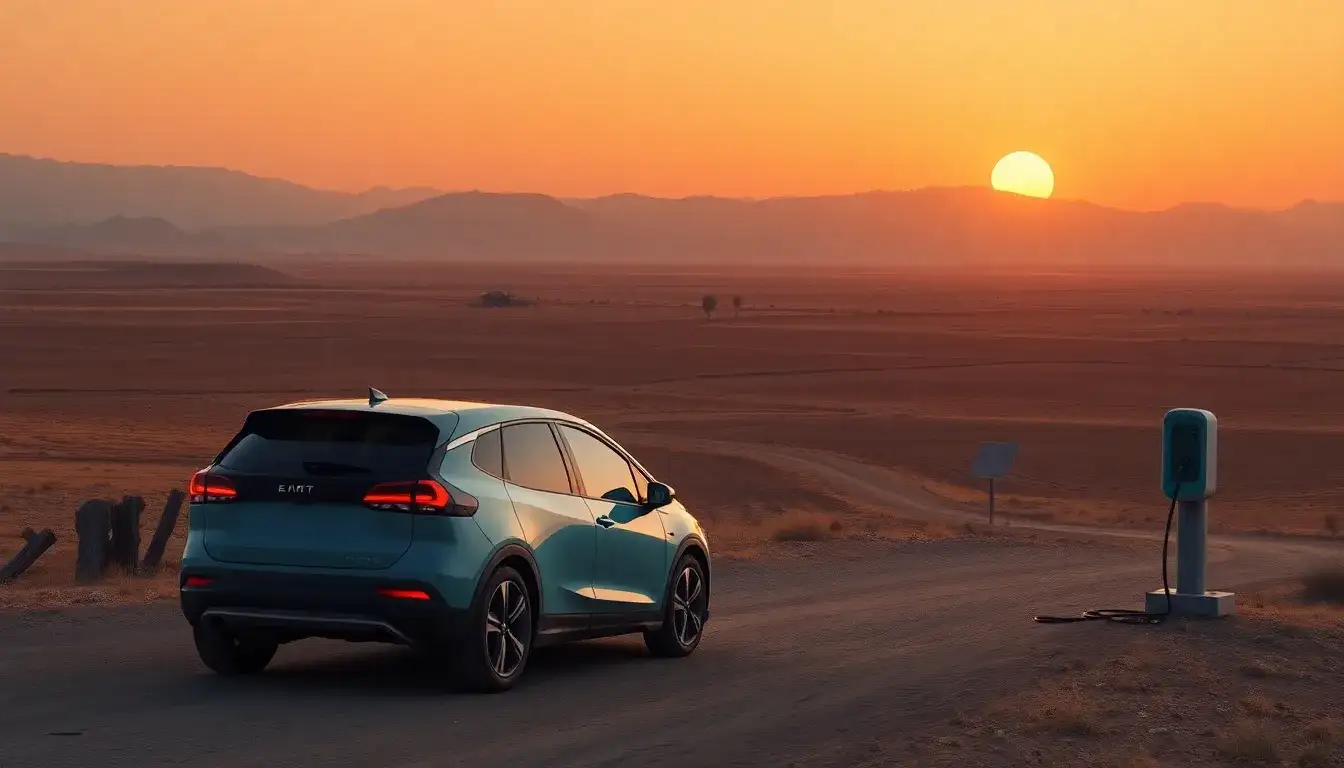
Charging Deserts and Their Impact on Rural EV Users
“Charging deserts” refer to regions, often rural, where there is a scarcity or complete absence of public electric vehicle charging stations. These areas face significant challenges that affect the daily lives of rural EV users. Here’s how charging deserts impact them:
Key Challenges
-
Lack of Accessible Charging Points
- The most significant issue is the limited availability of charging stations, which can leave EV owners stranded without access to necessary charging infrastructure. This scarcity is exacerbated by the lower population density of rural areas, making it less economically viable to install and maintain public charging stations.
-
Range Anxiety
- The uncertainty about finding charging points increases “range anxiety,” a major concern for EV drivers. This psychological barrier can discourage people from purchasing EVs, as they worry about being unable to charge their vehicles during long trips.
-
Limited Mobility
- Rural EV users often face restricted mobility due to the lack of charging stations along their routes. This can limit their ability to travel long distances or visit urban areas without significant planning, which can be inconvenient and unreliable.
-
Dependence on Home Charging
- Many rural EV owners must rely on home charging, which can be a limitation if they travel extensively or need to charge away from home frequently.
-
Economic Impact
- The absence of adequate charging infrastructure deters potential EV buyers in rural areas. This can lead to lower EV adoption rates, further limiting the financial incentives for charging station providers to invest in these regions.
Solutions for Improvement
To address these challenges, several solutions are proposed:
- Public Sector Support: Encouraging government funding and incentives to develop charging infrastructure in rural and underserved areas.
- Private Sector Innovation: Developing cost-effective charging solutions that can thrive in low-traffic areas.
- Community Engagement: Building awareness and support among rural communities to create a demand-driven approach to EV charging infrastructure development.
Original article by NenPower, If reposted, please credit the source: https://nenpower.com/blog/how-do-charging-deserts-affect-the-daily-lives-of-rural-ev-users/

