

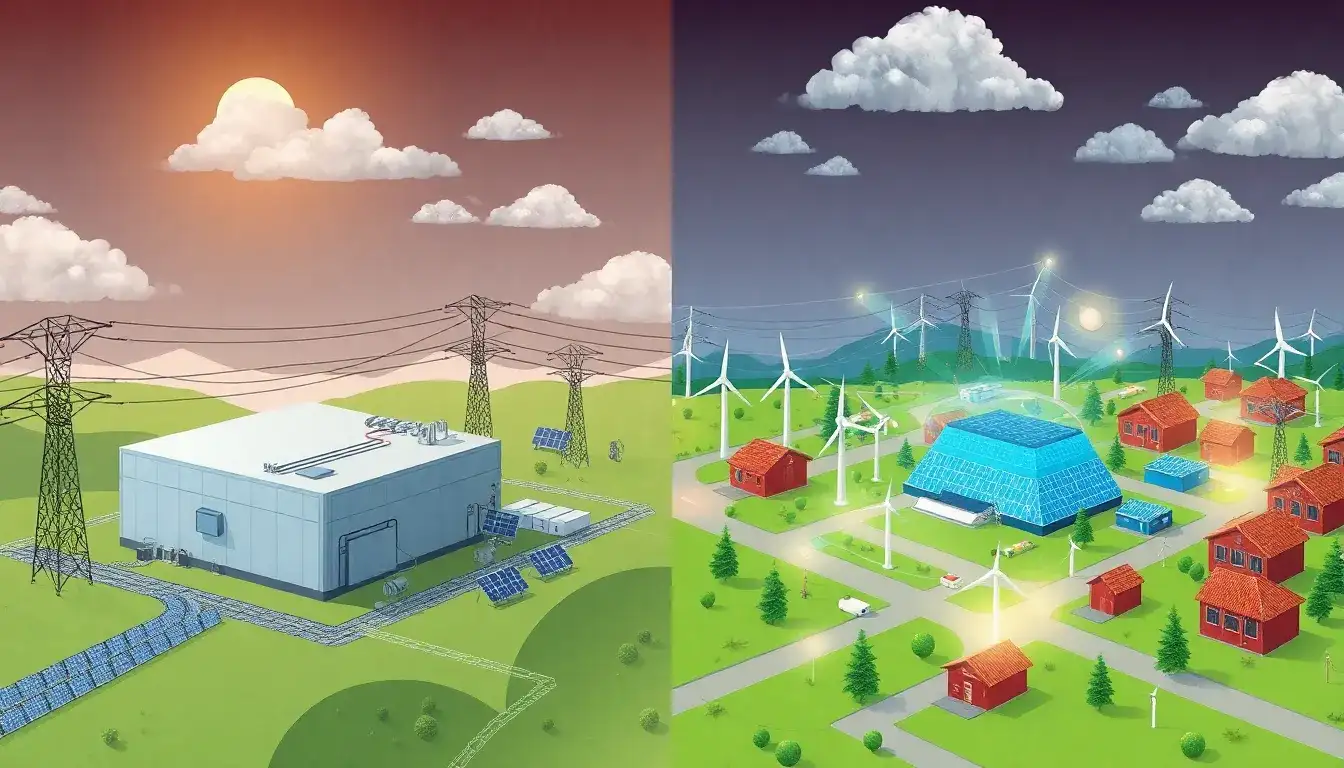
Impact of Changes in Interconnection Policies on Utility-Scale Battery Deployment
Changes in interconnection policies can significantly influence the deployment of utility-scale batteries by addressing several key challenges and opportunities in the energy storage sector.
Improvements in Interconnection Policies
- Streamlined Processes: Simplifying interconnection procedures can reduce waiting times and the complexity associated with connecting new energy storage projects to the grid. This is crucial, as interconnection queues often hinder the deployment of utility-scale batteries.
- Incentivizing Renewable Integration: Policies that encourage the integration of renewable energy sources, like solar and wind, can benefit from utility-scale batteries. These batteries help stabilize the grid during periods of variable energy production, making them essential for supporting renewable energy expansion.
- Enhanced Flexibility: Allowing energy storage providers to specify their operating parameters when making interconnection requests could help manage grid strain more effectively. This can prevent overestimation of potential grid congestion caused by energy storage, which is a current challenge in some regions.
Challenges Addressed by Policy Changes
- Interconnection Delays: Historically, utility-scale battery projects face years-long delays due to grid interconnection queuing. Improved policies can help alleviate this issue, potentially by streamlining the interconnection process or developing new transmission infrastructure.
- Grid Congestion Risk: Changes in policy can clarify how energy storage should be assessed in terms of its impact on grid stability. By acknowledging that energy storage can both act as a load during charging and provide supply during discharge, policies can ensure more accurate risk assessments, thus reducing unnecessary delays.
- Revenue Models and Incentives: Evolutions in interconnection policies might include new revenue models that better capture the benefits of energy storage for grid stability and renewable energy integration. This could further incentivize the deployment of utility-scale batteries by improving their economic viability.
Examples of Effective Interconnection Policies
- ERCOT’s Connect and Manage Approach: This method allows generators to connect to the grid without requiring them to fund extensive network upgrades, speeding up the deployment of energy storage projects. However, developers need to work closely with ERCOT to manage grid stability and optimize their charging and discharging strategies.
- FERC Order 2023: Although this order aimed to clarify interconnection rules for energy storage, its implementation varies by region. Further policy adjustments are necessary to ensure consistency across different markets, such as PJM, where challenges persist.
Overall, adjustments to interconnection policies play a pivotal role in facilitating the efficient integration and deployment of utility-scale batteries, which are crucial for supporting renewable energy sources and enhancing grid resilience.
Original article by NenPower, If reposted, please credit the source: https://nenpower.com/blog/how-do-changes-in-interconnection-policies-impact-the-deployment-of-utility-scale-batteries/

