- Duration of Loans:
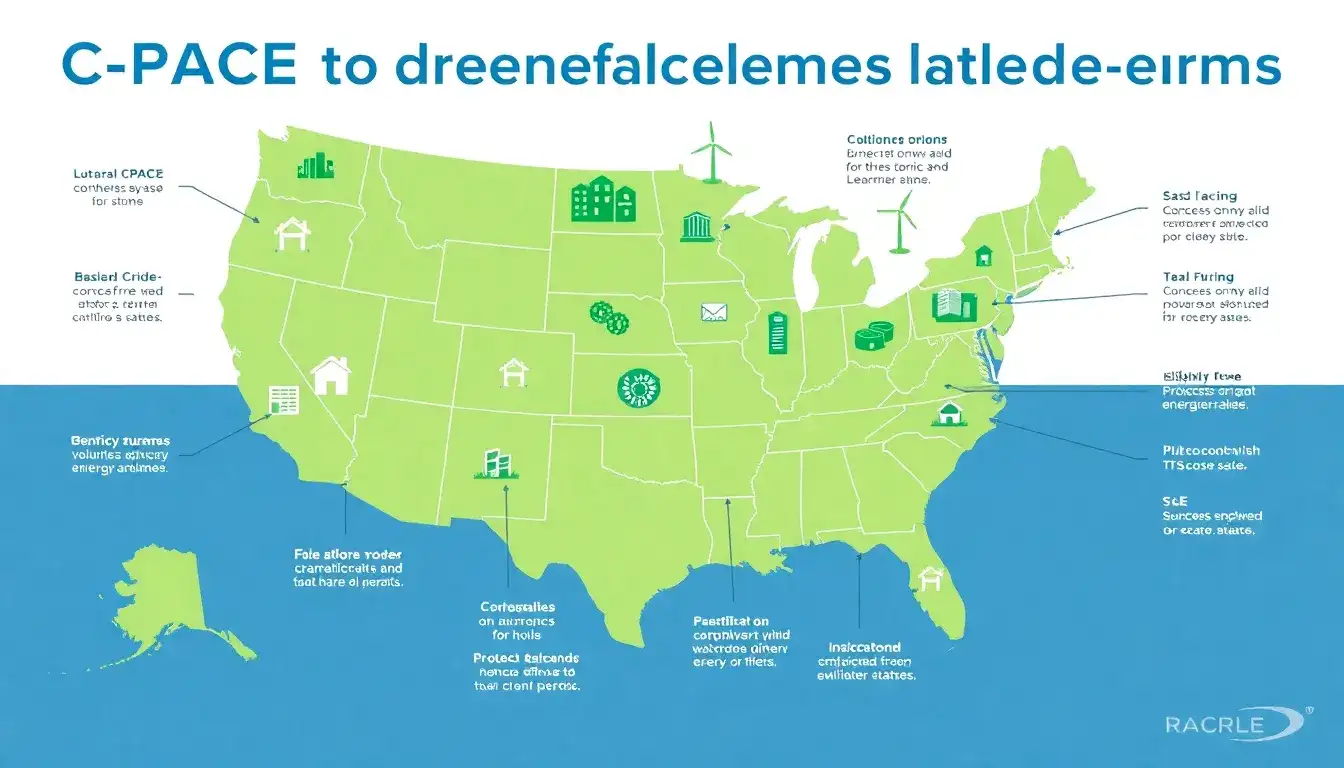
- Maximum Terms: While many states offer terms ranging from 20 to 30 years, some states have terms described as “max EUL” (effective useful life), which means the loan term is determined by the expected lifespan of the improvements rather than a fixed number of years.
- Examples:
- California offers up to 30 years.
- Colorado limits terms to 25 years.
- Minnesota caps terms at 20 years.
- Available Lookback Period:
- Lookback Period: This refers to how far back owners can apply for financing for work already completed. This varies significantly by state:
- Some states like California allow up to a 3-year lookback.
- Others like Minnesota have a 1-year limit.
- Some states have an 18-month or 2-year lookback period.
- Lookback Period: This refers to how far back owners can apply for financing for work already completed. This varies significantly by state:
- Eligibility for New Construction:
- New Construction Financing: Most states allow C-PACE financing for new construction, but specifics can vary based on state policies.
- Program Administration and Guidelines:
- State Legislation and Local Participation: While C-PACE is enabled by state legislation, local governments can choose whether to participate and may tailor their programs by setting different eligibility criteria or selecting administrators.
- EUL and Flexibility:
- EUL Flexibility: Some states do not use fixed terms but instead tie the loan duration to the effective useful life of the improvements, offering more flexibility in project financing.
These variations reflect the adaptability of C-PACE programs to local conditions and legislative preferences, ensuring that they can effectively support energy efficiency and renewable energy projects across different regions.
Original article by NenPower, If reposted, please credit the source: https://nenpower.com/blog/how-do-c-pace-terms-differ-between-states/