

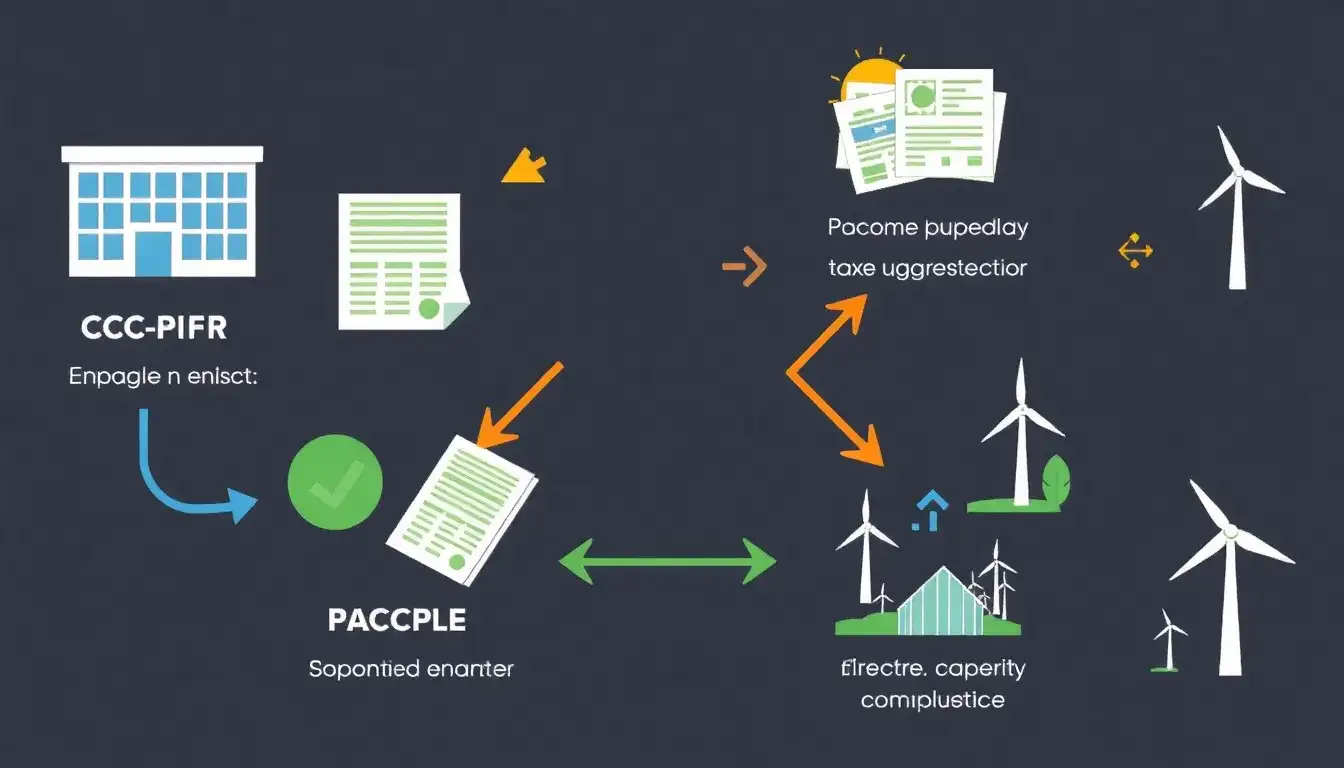
C-PACE (Commercial Property Assessed Clean Energy) assessments impact property tax bills by adding a voluntary assessment for energy-efficient improvements. This assessment is repaid over the useful life of the upgrades, typically ranging from 10 to 30 years, depending on the project’s specifics. Here’s how it affects property tax bills:
- Assessment Structure:
- The repayment of C-PACE assessments is tied to the property tax bill, allowing property owners to finance energy and renewable projects with no upfront costs.
- The assessment can be passed through to tenants, especially in triple net lease structures, where tenants typically cover a share of property taxes.
- Impact on Property Tax Bills:
- The C-PACE assessment increases the property tax bill by adding a specific amount to cover the energy-efficient upgrades.
- While this might seem like an added expense, the energy savings from these upgrades often offset the additional cost, reducing the overall financial burden on property owners and potentially tenants.
- Transferability and Lien Creation:
- C-PACE assessments remain with the property upon sale, transferring the repayment obligation to new owners unless explicitly addressed otherwise.
- The C-PACE lien has priority over most other liens, except for unpaid property taxes, which can affect refinancing and mortgage negotiations.
- Financial Benefits:
- Despite the increased tax bill, C-PACE financing can enhance cash flow by leveraging lower interest rates and longer repayment terms compared to traditional loans.
- The energy efficiency improvements may reduce operating costs and increase the property’s value, benefiting both owners and tenants.
Overall, C-PACE assessments add a layer of complexity to property tax bills but can provide significant long-term financial and environmental benefits when properly managed.
Original article by NenPower, If reposted, please credit the source: https://nenpower.com/blog/how-do-c-pace-assessments-impact-property-tax-bills/

