

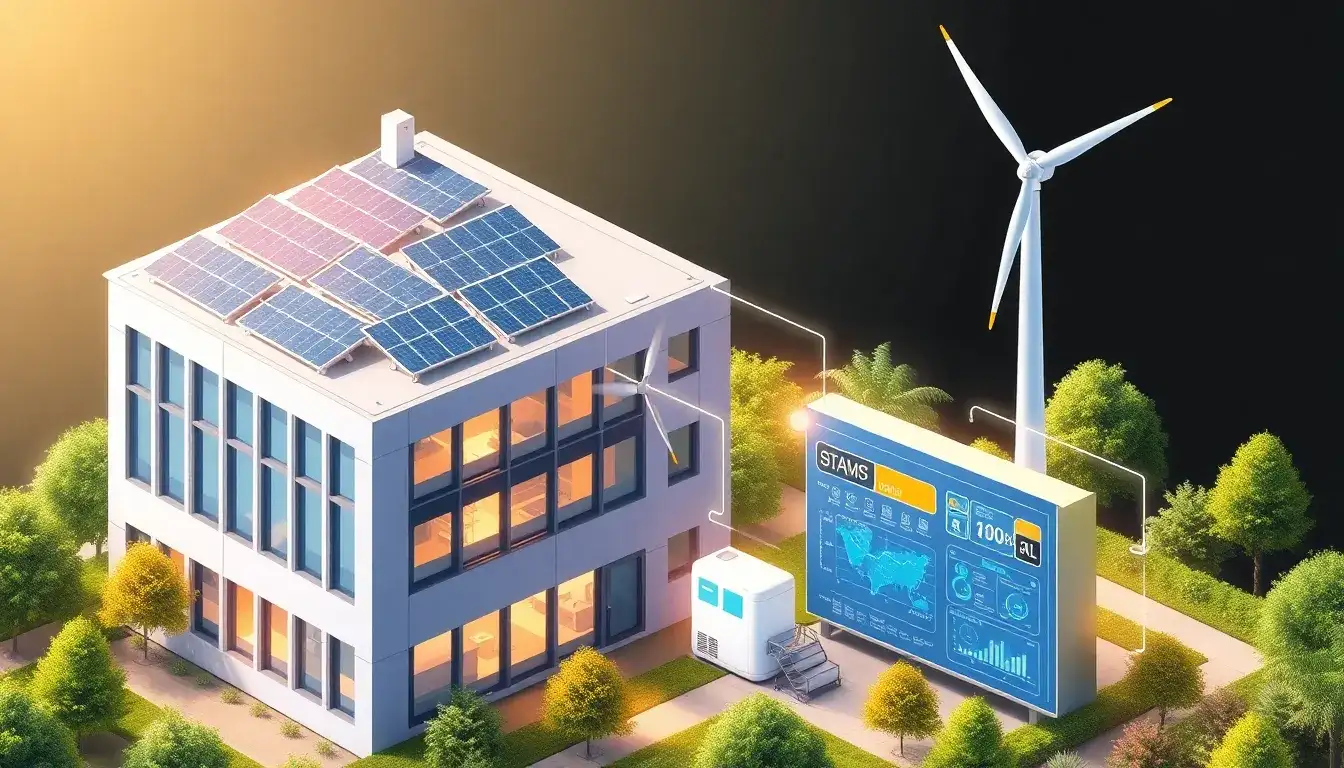
Battery Management Systems (BMS) play a crucial role in integrating renewable energy sources with energy storage systems, ensuring efficiency, safety, and longevity of the batteries. Here’s how BMS systems integrate with renewable energy storage:
Key Functions of BMS in Renewable Energy Integration
- Optimization and Efficiency: BMS systems optimize battery performance by managing charging and discharging cycles effectively. This ensures that the battery operates within optimal conditions, extending its lifespan and enhancing the overall efficiency of energy storage solutions.
- Safety and Protection: BMS provides real-time monitoring and control to prevent hazards such as overheating, overcharging, or over-discharging. This safeguarding is critical in large-scale renewable energy applications where safety standards are stringent.
- Adaptive Control for Renewable Energy Variability: Renewable energy sources like solar and wind are intermittent. BMS helps smooth out these fluctuations by adjusting battery usage and optimizing energy storage to maintain a consistent power supply.
- Integration with Smart Grids: BMS facilitates seamless integration with smart grid technologies, enabling better management of energy distribution and optimized use of renewable power.
- Real-Time Monitoring and Analytics: BMS provides detailed real-time data on battery health, state of charge, and operational status. This allows for informed decisions regarding system maintenance and performance optimization.
Architecture and Components of BMS
The BMS architecture typically includes both hardware and software components:
- Hardware: Includes a central control unit and multiple subunits embedded in battery modules. Key components are the Analog Front-End (AFE), Microcontroller Unit (MCU), and balancing modules.
- Software: Manages core functions like data acquisition, fault diagnostics, thermal management, and communication. Advanced algorithms ensure optimal battery performance.
Future Trends
Future innovations in BMS technology include advanced communication protocols, integration of AI and machine learning for better predictive maintenance, and enhanced scalability to accommodate growing energy storage needs.
By ensuring efficient, safe, and optimized operation of batteries in renewable energy systems, BMS systems are pivotal in supporting the transition to a more sustainable energy future.
Original article by NenPower, If reposted, please credit the source: https://nenpower.com/blog/how-do-bms-systems-integrate-with-renewable-energy-storage/

