

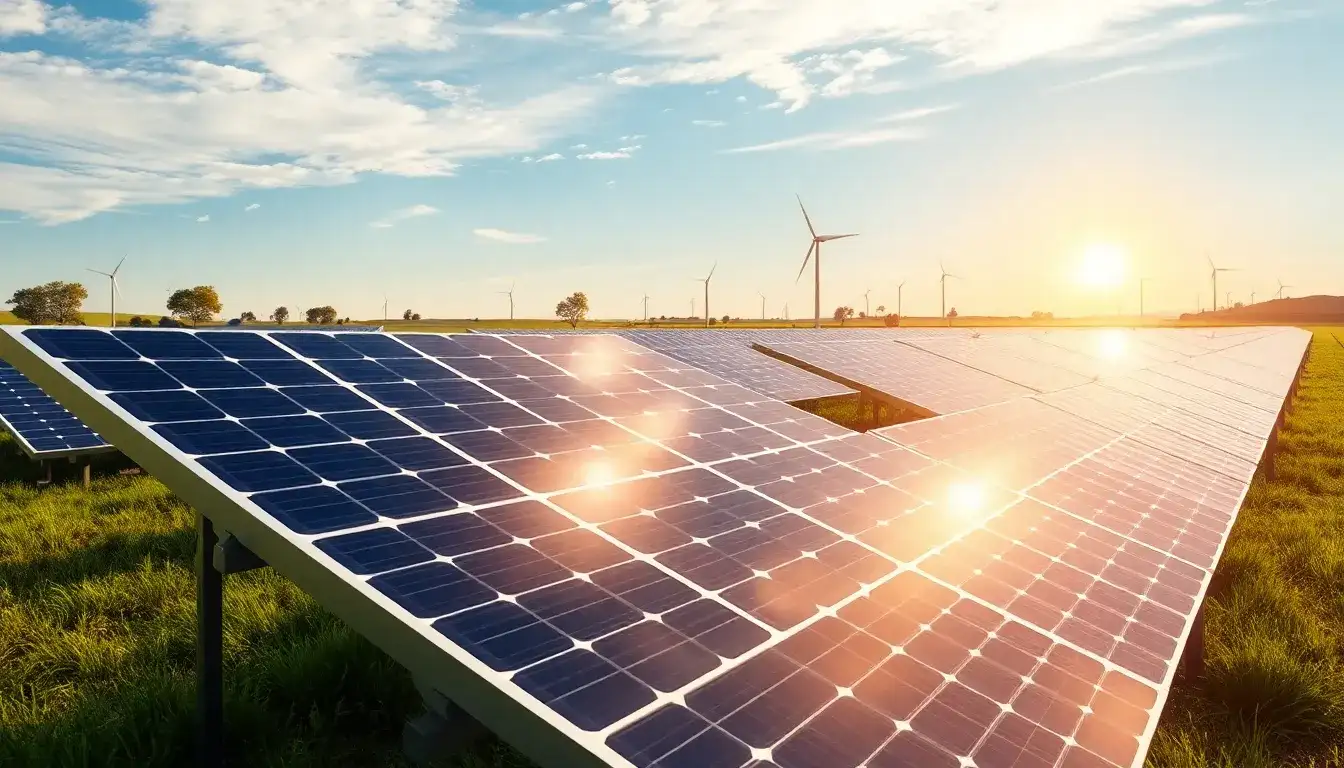
Bifacial solar panels enhance energy generation through several key mechanisms:
1. Dual-Side Light Absorption
Bifacial panels feature solar cells on both front and back surfaces, allowing them to capture direct sunlight on the front and reflected/ambient light on the rear. This design increases total light exposure compared to monofacial panels, which only use the front side.
2. Higher Energy Output
By harnessing reflected light (e.g., from the ground or nearby surfaces), bifacial panels achieve 5-30% more energy production than traditional panels. Ideal installations with reflective surfaces (e.g., white gravel or foil) can push gains toward the upper end of this range.
3. Improved Low-Light Performance
The rear side captures diffused and reflected light, making these panels more efficient in cloudy conditions or during early/late daylight hours. Studies show enhanced output even under low-light conditions when paired with reflective surfaces.
4. Optimal Installation Flexibility
Bifacial panels work best in elevated ground-mounted systems, carports, or commercial setups where the rear side remains unobstructed. Rooftop installations are less effective unless tilted to allow rear-side illumination.
5. Durability and Longevity
Many bifacial panels use double-glass construction, enhancing resistance to environmental wear and extending operational lifespans compared to standard panels. This reduces long-term maintenance costs and improves reliability.
While bifacial panels cost ~10% more upfront due to specialized materials like tempered glass, their increased efficiency and durability often offset this through higher lifetime energy yields.
Original article by NenPower, If reposted, please credit the source: https://nenpower.com/blog/how-do-bifacial-panels-improve-energy-generation/

