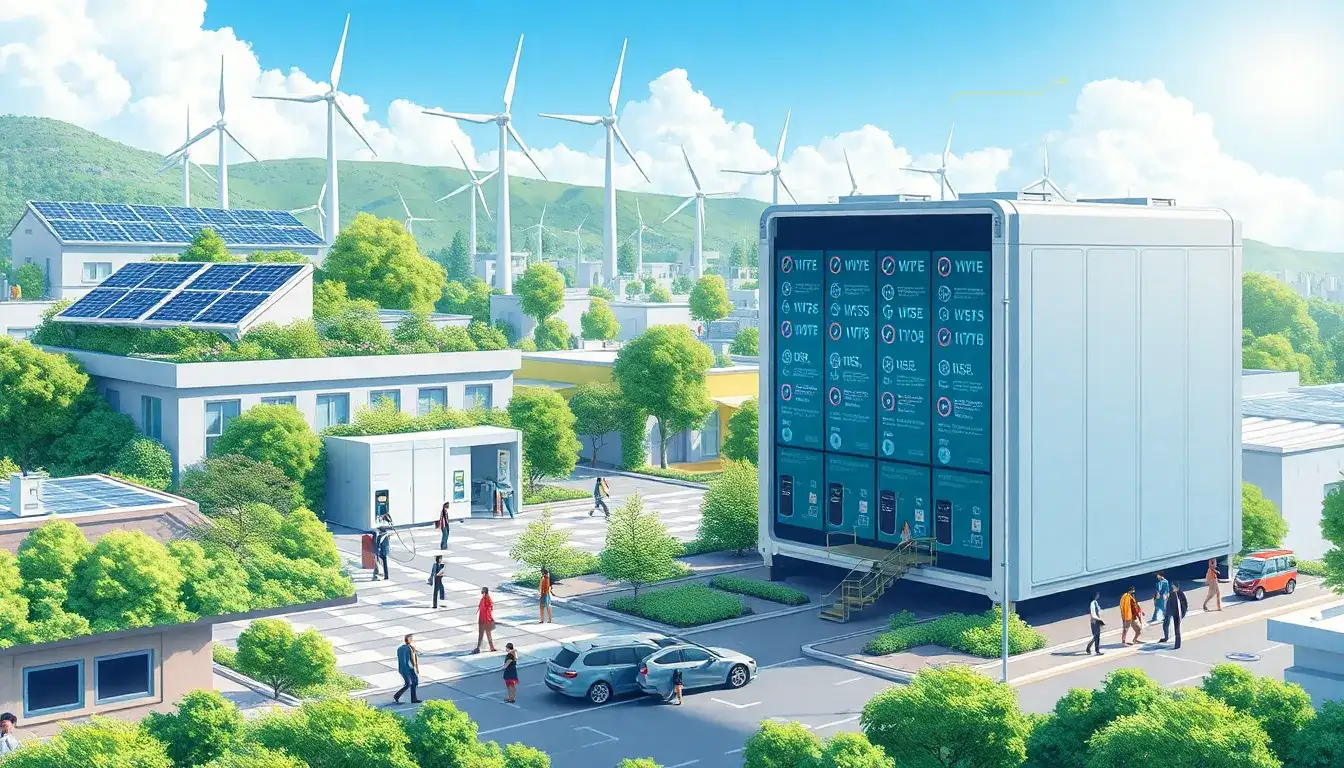
Battery storage systems play a crucial role in reducing carbon footprints by enhancing the integration and efficiency of renewable energy sources in several ways:
Contribution to Renewable Energy Integration
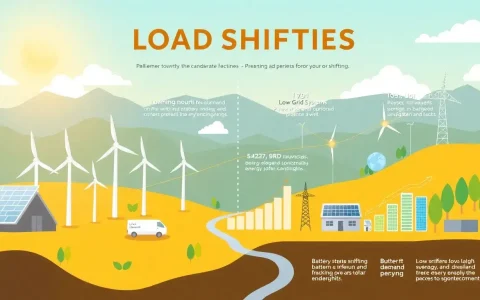
- Mitigating Variability: Renewable energy sources like solar and wind can be intermittent, depending on weather conditions. Battery storage helps stabilize this variability by storing excess energy during peak production periods for use during low-output phases, ensuring a consistent energy supply.
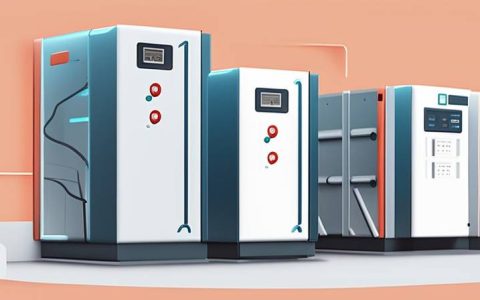
- Grid Stability: Battery energy storage systems (BESS) provide grid services such as frequency response, helping maintain grid stability and reducing the need for fossil fuel-based backup systems.
Reducing Carbon Emissions
- Carbon Intensity Management: By charging batteries during periods of low carbon intensity and discharging them when carbon intensity is higher, BESS can reduce the overall carbon footprint associated with electricity consumption.
- Avoiding Fossil Fuels: In regions with high grid carbon intensity, especially during peak demand, batteries can offset the need for fossil fuels by providing stored renewable energy, thus lowering greenhouse gas emissions.
- Frequency Response and Dynamic Containment: In systems like Great Britain’s, batteries help through frequency response services such as Dynamic Containment, which reduces reliance on high-carbon generators to manage grid frequency, leading to significant avoided CO2 emissions.
Supporting Sustainable Operations
- Sustainable Data Centers: Battery storage systems enable data centers to operate more sustainably by storing clean energy and using it during peak demand times, reducing reliance on fossil fuels and lowering carbon emissions.
- Energy Efficiency: By optimizing energy use and improving grid resilience, BESS contribute to a more efficient and sustainable energy system, reducing energy waste and lowering overall costs.
In summary, battery storage systems are essential for a sustainable energy future, as they facilitate greater use of renewable energy, improve grid stability, and reduce the need for high-carbon power generation, thereby lowering carbon emissions.
Original article by NenPower, If reposted, please credit the source: https://nenpower.com/blog/how-do-battery-storage-systems-contribute-to-reducing-carbon-footprints/