

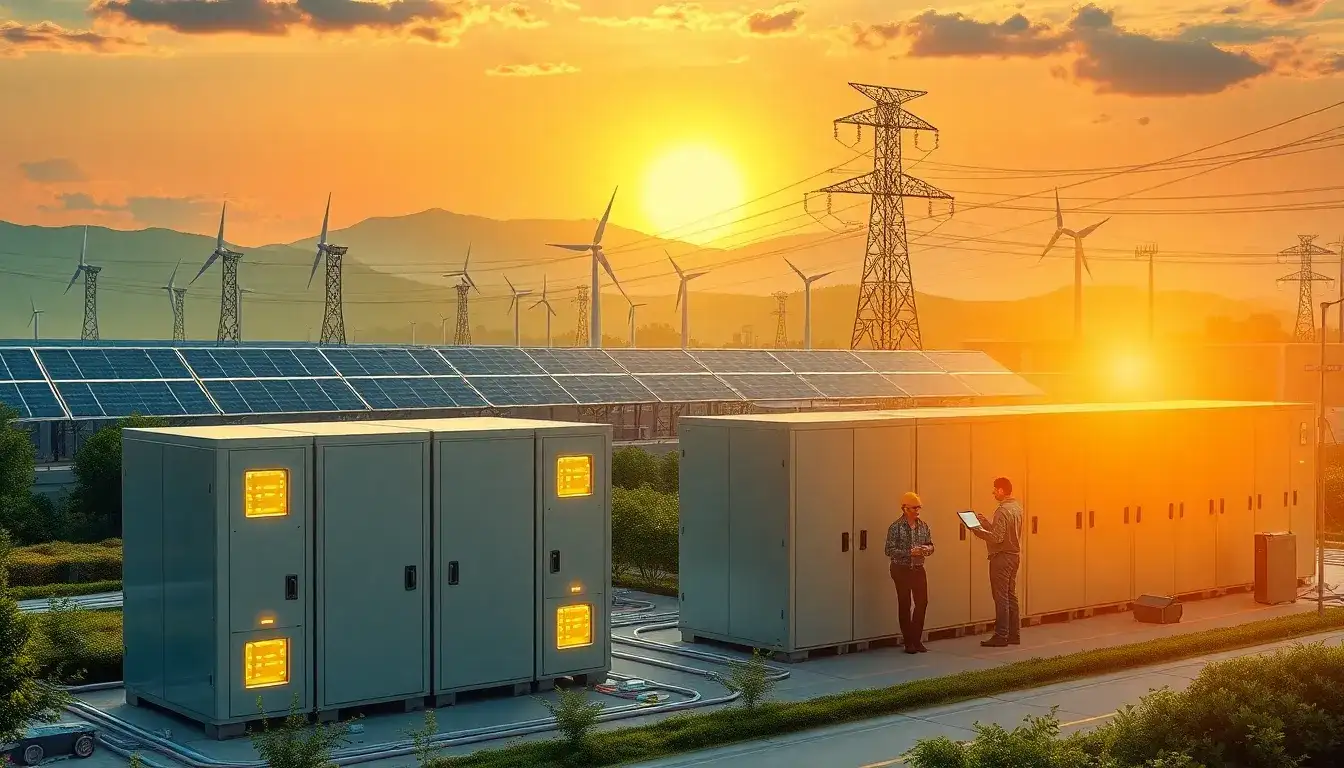
Battery storage systems contribute significantly to energy independence for commercial and industrial sites by enabling these facilities to store and manage electricity more efficiently, reduce reliance on the grid, and integrate renewable energy sources. Here is how they achieve this:
Key Contributions of Battery Storage Systems to Energy Independence
-
Storing Excess Energy for Later Use
Battery Energy Storage Systems (BESS) capture electricity when it is abundant and inexpensive—often during off-peak hours or when renewable generation, like solar, is high—and store it for later consumption. This ensures facilities can draw on stored energy during peak demand times or outages, reducing dependence on grid electricity and shielding businesses from volatile energy prices. -
Backup Power During Outages
BESS provide reliable backup power instantly during grid interruptions without the noise or fuel requirements of traditional generators. This capability is critical for commercial and industrial sites that require uninterrupted operations to avoid losses and maintain safety. -
Peak Shaving and Energy Cost Savings
Battery systems can discharge stored electricity during peak demand periods when grid electricity prices are highest, a practice called peak shaving. By shifting consumption from high-cost to low-cost periods, businesses lower their energy bills and avoid demand charges imposed by utilities. -
Integration and Optimization of Renewable Energy
Commercial and industrial sites often use solar and sometimes wind energy. Battery storage allows these sites to store excess renewable energy generated during sunny or windy periods and use it when generation is low or demand is high, effectively enabling 24/7 renewable power use and reducing fossil fuel reliance. -
Grid Balancing and Stability Support
BESS can supply energy back to the grid when demand rises and absorb excess generation when demand falls, supporting grid stability and reducing disruptions that could impact commercial users. This also helps make the local grid more resilient and competitive. -
Enhanced Energy Management and Control
Modern BESS include smart control systems that optimize how energy flows between the grid, storage, and site loads. This intelligent management maximizes energy efficiency, battery life, and financial returns, while ensuring the site uses the cleanest and most cost-effective power available.
Summary Table of Benefits for Commercial & Industrial Sites
| Benefit | Description |
|---|---|
| Energy Independence | Less reliance on utility grid by using stored and onsite generated energy. |
| Cost Savings | Lower energy bills through peak shaving and energy arbitrage. |
| Backup Power | Uninterrupted operations during outages with instant power supply. |
| Renewable Integration | Efficient use of solar/wind energy, enabling clean and continuous power. |
| Grid Support & Reliability | Contributes to grid stability, reducing operational risks & outages. |
| Advanced Energy Management | Smart controls optimize consumption, storage, and costs for maximum efficiency. |
By leveraging battery storage, commercial and industrial sites gain control over their energy supply, enhance operational reliability, reduce costs, and support sustainability goals, collectively advancing their true energy independence.
Original article by NenPower, If reposted, please credit the source: https://nenpower.com/blog/how-do-battery-storage-systems-contribute-to-energy-independence-for-commercial-and-industrial-sites/

