

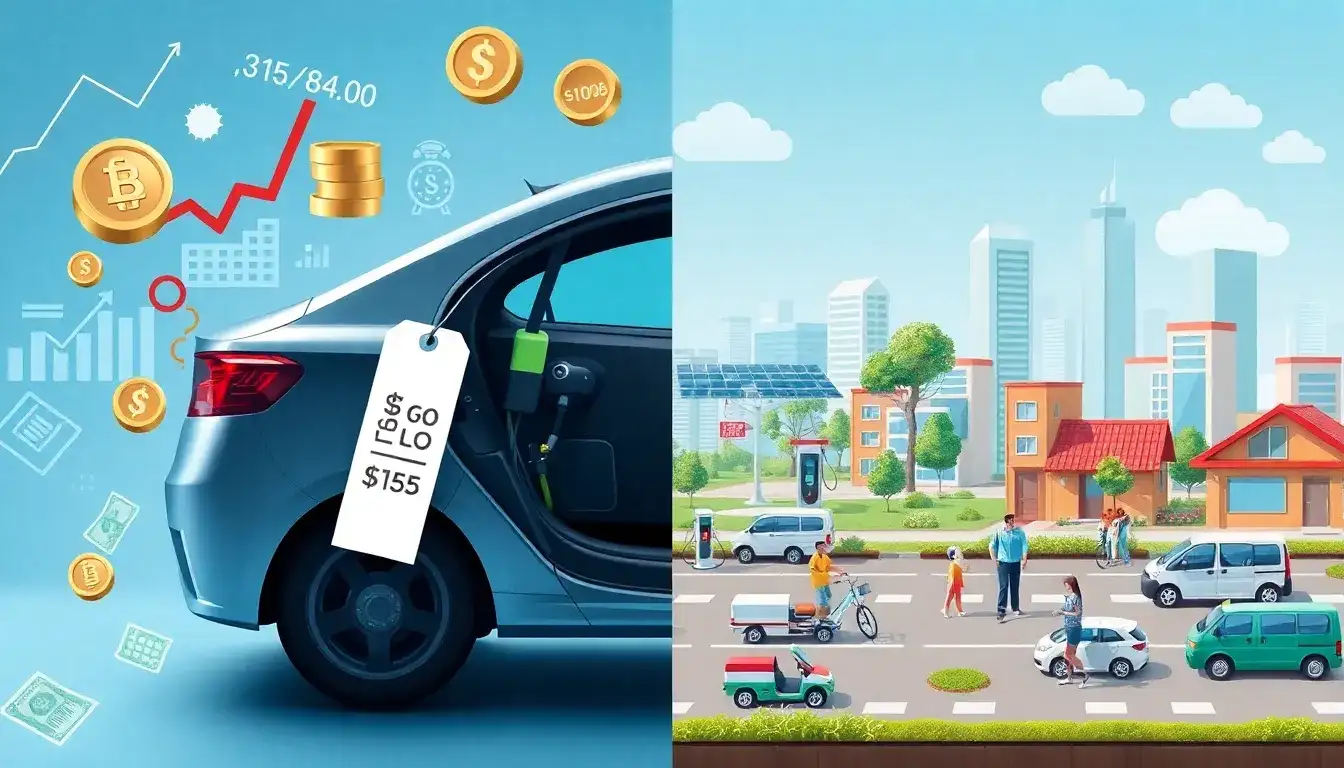
Impact of Battery Prices on EV Costs
Initial Purchase Price
- Battery Cost: The most significant component cost in an electric vehicle is the battery. As battery prices decrease, the initial purchase price of EVs also reduces, making them more competitive with internal combustion engine vehicles.
- Current Trends: Battery prices have fallen dramatically over the past few years. In 2024, prices dropped by 20% to $115 per kWh, which is the largest decline since 2017. By 2026, prices are projected to fall further, possibly below $100/kWh, which is often cited as the threshold for price parity with gasoline-powered cars.
Total Cost of Ownership (TCO)
- TCO Considerations: The TCO includes factors beyond the purchase price, such as fuel savings, maintenance costs, and residual value. Lower battery prices enhance EV competitiveness in these areas.
- Fuel Savings: EVs generally offer significant savings over gas-powered vehicles in operating costs. As EV battery prices decrease, the payback period on the initial higher purchase price of an EV is shortened.
- Resale Values: Rapid improvements in technology and falling battery prices can negatively affect resale values by making newer EVs more attractive and reducing demand for older models. However, increased demand and improving technology could stabilize resale values over time.
Adoption and Demand
- Consumer Adoption: Falling battery prices increase consumer interest in EVs by making them more affordable. This is expected to lead to higher demand for EVs, especially if total cost of ownership parity with ICE vehicles is reached.
- Market Competition: The reduction in battery costs and resulting price drops in EVs intensify market competition, potentially leading to further price decreases as manufacturers aim to remain competitive.
Challenges and Opportunities
Challenges
- Geopolitics and Tariffs: Changes in tariffs and geopolitical tensions can disrupt supply chains and increase costs for EV batteries, potentially affecting price stability and adoption rates.
- Overcapacity: While increased production contributes to lower prices, an overcapacity in battery manufacturing can pressure smaller manufacturers to reduce prices and compromise profit margins, which may not be sustainable.
Opportunities
- Technological Innovations: Advances in battery technology, such as higher energy density and alternative chemistries, continue to drive price reductions while improving performance.
- Economies of Scale: Increased production volumes allow manufacturers to benefit from economies of scale, further reducing costs and enhancing competitiveness.
In summary, falling battery prices play a crucial role in reducing the overall cost of owning an electric vehicle, making EVs more economically attractive to consumers and driving market demand. However, geopolitical factors, technological advancements, and market dynamics will continue to influence this landscape.
Original article by NenPower, If reposted, please credit the source: https://nenpower.com/blog/how-do-battery-prices-impact-the-overall-cost-of-owning-an-electric-vehicle/

