Battery Energy Storage Systems (BESS) in isolated or off-grid communities function as critical stabilization and reliability tools, enabling renewable integration and consistent power supply. Here’s how they work:
Core Functionality
- Energy Storage: BESS stores excess electricity from renewable sources like solar or wind during peak generation periods (e.g., midday for solar). This energy is discharged during low-generation periods (e.g., nighttime) to maintain a steady supply.
- Grid Stabilization: They act as a “buffer,” mitigating the intermittency of renewables by smoothing out power fluctuations and preventing voltage/frequency deviations.
- Demand Management: BESS provides peak shaving, reducing reliance on backup generators during high-demand periods.
Key Components
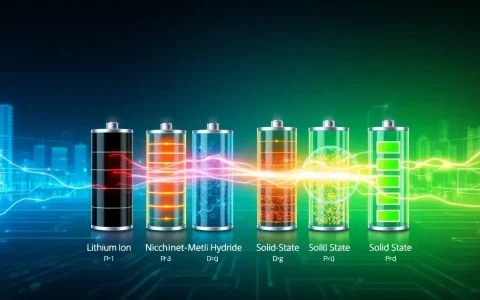
- Battery Packs: Typically lithium-ion due to cost-effectiveness and efficiency, though flow or lead-acid batteries may be used in specific cases.
- Power Electronics: Inverters convert DC power from batteries to AC for grid/load use, ensuring phase synchronization with local systems.
- Control Systems: Intelligent software manages charge/discharge cycles, prioritizes energy use, and integrates with renewable sources.
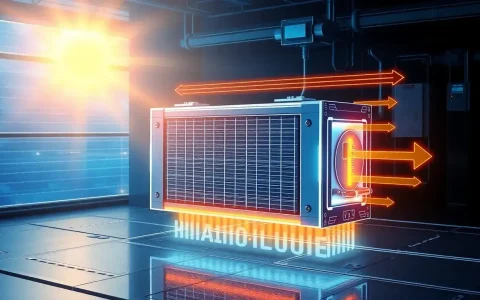
- Thermal Management: Maintains optimal battery temperatures to prolong lifespan, critical in extreme climates common to off-grid areas.
Implementation in Off-Grid Contexts
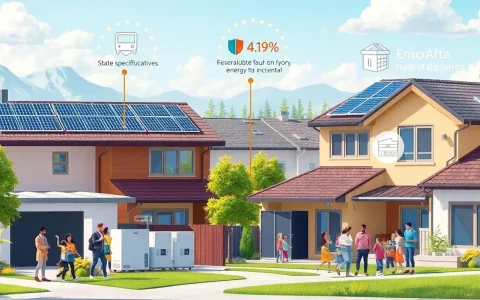
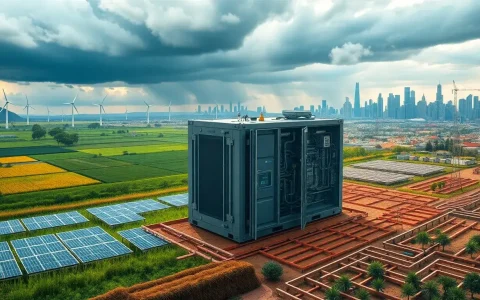
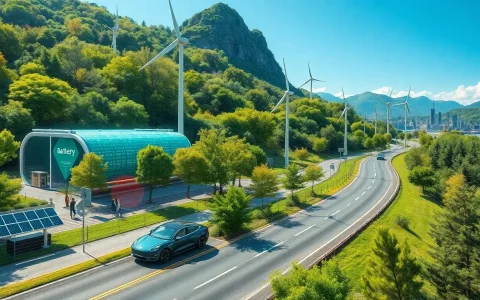
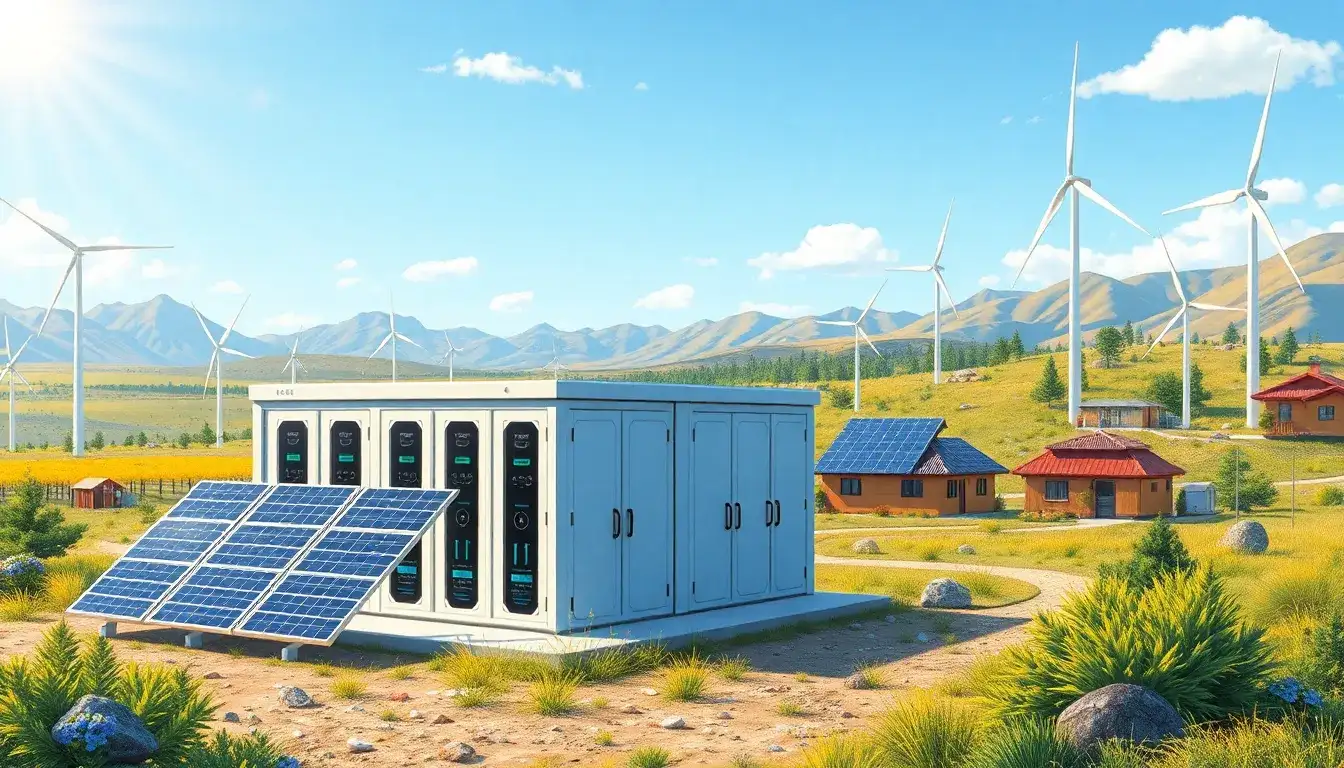
- Hybrid Microgrids: BESS pairs with solar/wind to form self-sustaining systems, reducing diesel generator dependency. For example, solar energy generated daily is stored for nighttime use.
- Blackout Prevention: Instant response (<1 second) to power gaps prevents outages during generator failures or renewable shortfalls.
- Efficiency Optimization: Reduces energy wastage by storing surplus renewables instead of curtailing generation.
Challenges and Solutions
- Cost: High upfront costs are mitigated by falling lithium-ion prices (50% cost reduction every 4.1 years since 2014).
- Cycling: Modern systems achieve 4,000-6,000 cycles, lasting 10-15 years with proper thermal management.
- Scalability: Modular designs allow communities to start small and expand as demand grows.
Example Workflow
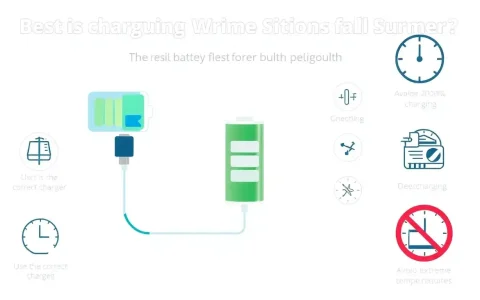
- Daytime: Solar panels generate excess power → BESS charges to 70-75% efficiency.
- Evening: Loads draw power from BESS → inverters convert DC to AC.
- Contingency: During generator failure, BESS provides instantaneous backup power.
By bridging supply-demand gaps, BESS enables off-grid communities to operate resilient, renewable-powered grids without traditional infrastructure.
Original article by NenPower, If reposted, please credit the source: https://nenpower.com/blog/how-do-battery-energy-storage-systems-work-in-isolated-or-off-grid-communities/