

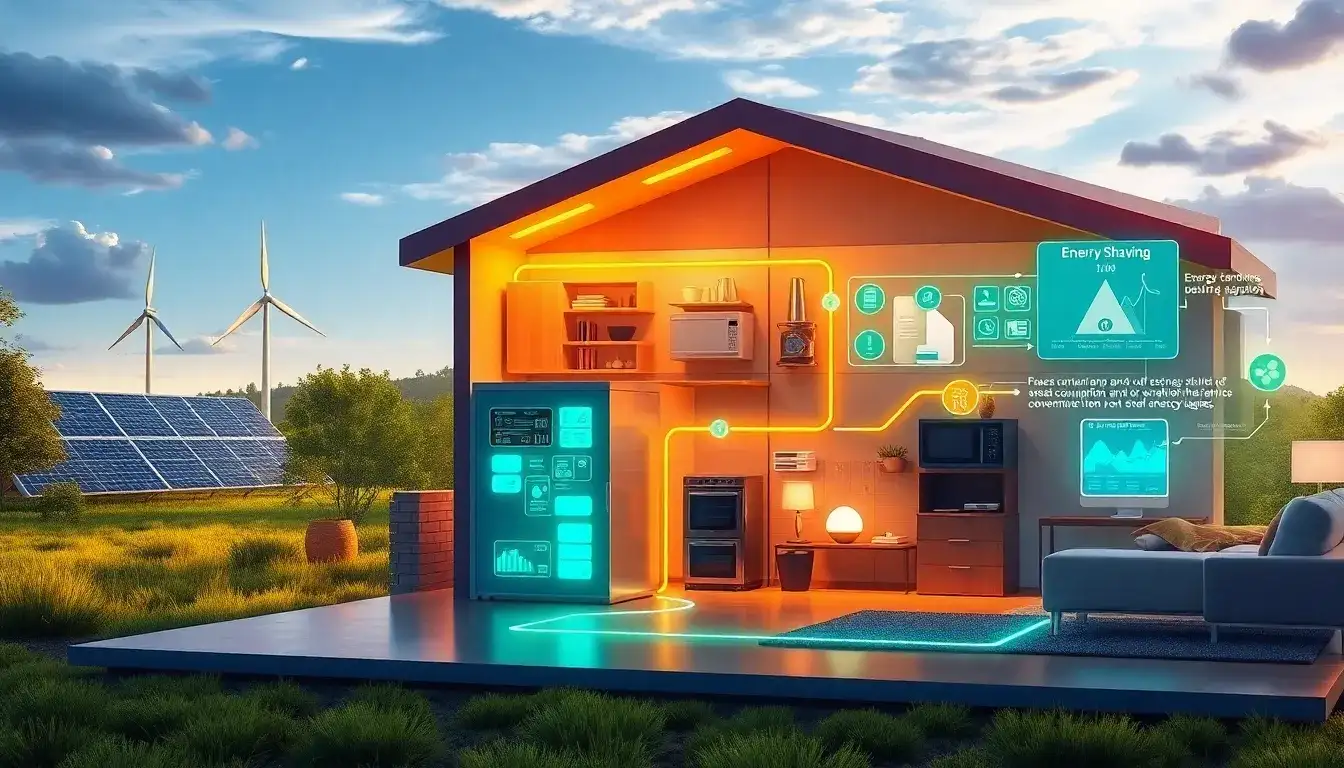
Battery energy storage systems (BESS) support peak shaving and self-consumption optimization primarily by storing energy when demand or prices are low and discharging it during peak demand periods or when on-site renewable generation is insufficient. This strategy helps reduce peak power drawn from the grid, thereby lowering demand charges and improving economic and operational efficiency.
How BESS Enables Peak Shaving
- Storing Off-Peak Energy for Peak Use: A BESS charges during off-peak times when electricity demand and prices are low or when excess renewable energy (e.g., solar) is generated on-site. During peak demand periods, the stored energy is discharged to supply part of the load locally, reducing reliance on the grid precisely when grid electricity is most expensive and grid demand is highest.
- Reducing Peak Demand Charges: Many commercial and industrial customers face demand charges based on their highest 15-minute average power consumption within a billing period. By discharging stored energy during these peaks, BESS lowers the maximum load drawn from the grid, leading to substantial cost savings.
- Load Leveling Without Production Disruption: For operations with inflexible loads that cannot be shifted in time (e.g., manufacturing processes), a BESS can shave peaks without reducing or interrupting production. It provides supplemental power for short durations, preventing demand spikes without compromising business continuity.
- Rapid Response and Flexibility: BESS are highly responsive and can quickly adjust charging and discharging in real-time, guided by intelligent control software that forecasts load and price signals. This allows effective shaving of unforeseen peaks and optimizes battery use to maximize lifetime and safety.
- Advanced Control Algorithms: Optimization-based control methods calculate the best “shave level”—how much load to reduce or supply from the battery—to minimize peak demand while ensuring the battery doesn’t deplete too fast. Statistical analysis using historical data helps set these levels adaptively day-to-day.
How BESS Supports Self-Consumption Optimization
- Maximizing Use of On-Site Renewables: BESS can store excess electricity generated from renewable sources (like solar PV) that would otherwise be exported to the grid. This stored energy is then used onsite during periods without generation (e.g., night), increasing self-consumption and reducing grid electricity purchases.
- Reducing Grid Consumption and Export Peaks: By absorbing excess renewable generation and discharging during peak demand, BESS helps flatten both import and export spikes, benefiting the grid and potentially lowering distribution network charges.
- Integration with Intelligent Energy Management: Sophisticated software monitors consumption, renewable generation, and grid prices to optimize charging and discharging schedules. This smart management increases economic benefits by balancing peak shaving goals and maximizing renewable self-consumption.
Summary Table
| Support Aspect | How BESS Achieves It | Benefits |
|---|---|---|
| Peak shaving | Store energy off-peak or from renewables; discharge during peak demand | Lowers demand charges and grid fees; avoids costly peak loads |
| Handling inflexible loads | Supplemental power during peaks without load shedding | Maintains uninterrupted production |
| Rapid response & flexibility | Intelligent control software for real-time optimization | Effective peak management; maximizes battery life |
| Self-consumption optimization | Store excess renewable energy for later use | Reduces grid purchases; improves renewable utilization |
| Grid stability & cost savings | Levels load on grid; less peak stress | Supports grid reliability; lowers distribution costs |
In conclusion, battery energy storage systems are key technologies for both shaving peak electricity demand and optimizing the use of self-generated renewable energy. Their ability to store energy when abundant or cheap and dispatch it during costly peak periods enables consumers to significantly reduce their electricity costs and contribute to grid stability.
Original article by NenPower, If reposted, please credit the source: https://nenpower.com/blog/how-do-battery-energy-storage-systems-support-peak-shaving-and-self-consumption-optimization/

