

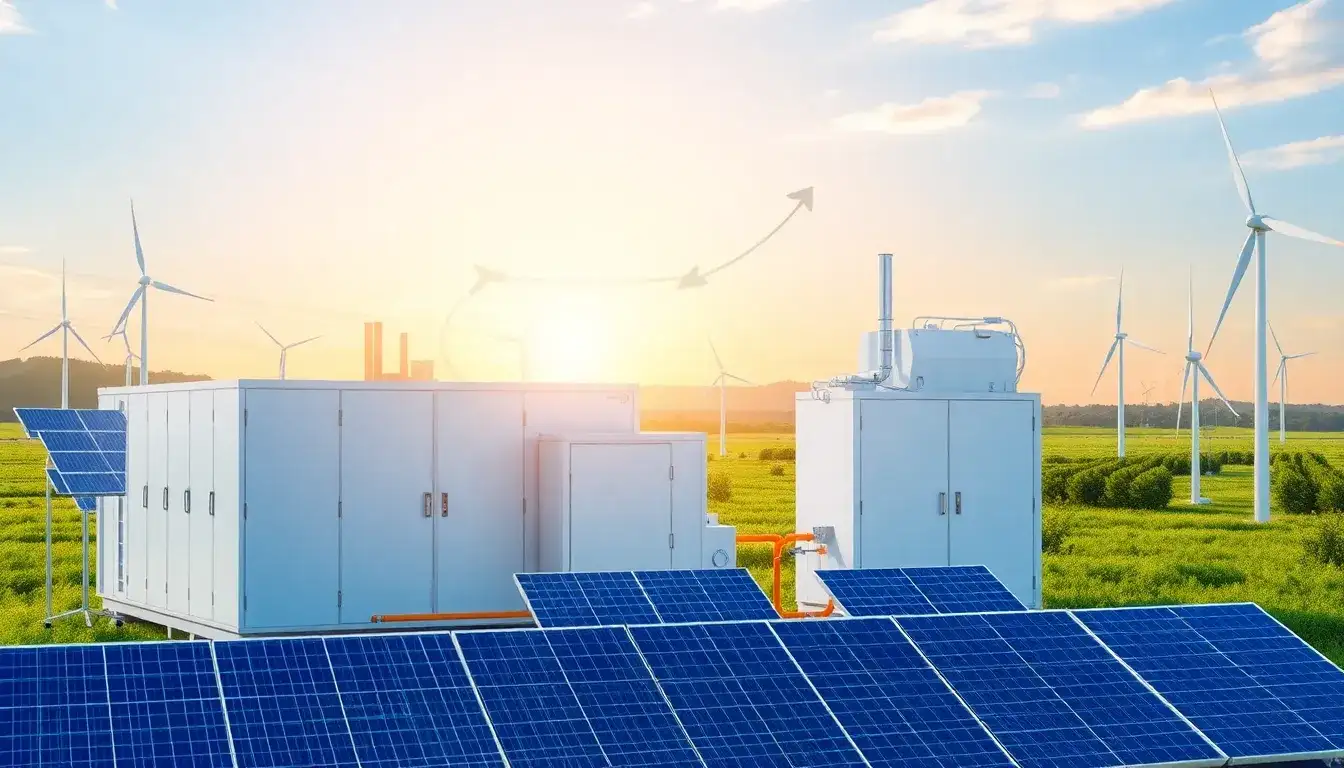
Battery energy storage systems (BESS) reduce the need for fossil fuel-powered peaking power plants through several mechanisms:
-
Peak Shaving and Load Shifting:
- Peak Shaving: BESS can store energy during low-demand periods (off-peak hours) and release it during high-demand periods (peak hours), reducing the need for peaker plants that are often powered by fossil fuels.
- Load Shifting: By moving energy use from peak to off-peak times, businesses can avoid high-demand charges, further reducing the reliance on peaker plants.
-
Integration of Renewable Energy:
- BESS enables the efficient use of renewable energy sources like solar and wind by storing excess energy generated during favorable conditions (e.g., sunlight or wind) and releasing it when needed, reducing the overall reliance on fossil fuels for power generation.
-
Grid Stabilization:
- BESS can stabilize the grid by absorbing or releasing electrical power instantly, balancing supply and demand. This capability reduces the need for quick-start, high-polluting peaker plants to stabilize the grid during sudden changes in energy demand or supply.
-
Energy Arbitrage:
- By storing energy when it is cheap (e.g., at night or during off-peak times) and discharging it when it is expensive (during peak times), BESS can optimize energy pricing, further reducing the financial incentive to operate peaker plants.
Overall, these mechanisms help decrease the dependence on fossil fuel-powered peaking plants, contributing to a cleaner, more sustainable energy system.
Original article by NenPower, If reposted, please credit the source: https://nenpower.com/blog/how-do-battery-energy-storage-systems-reduce-the-need-for-fossil-fuel-powered-peaking-power-plants/

