

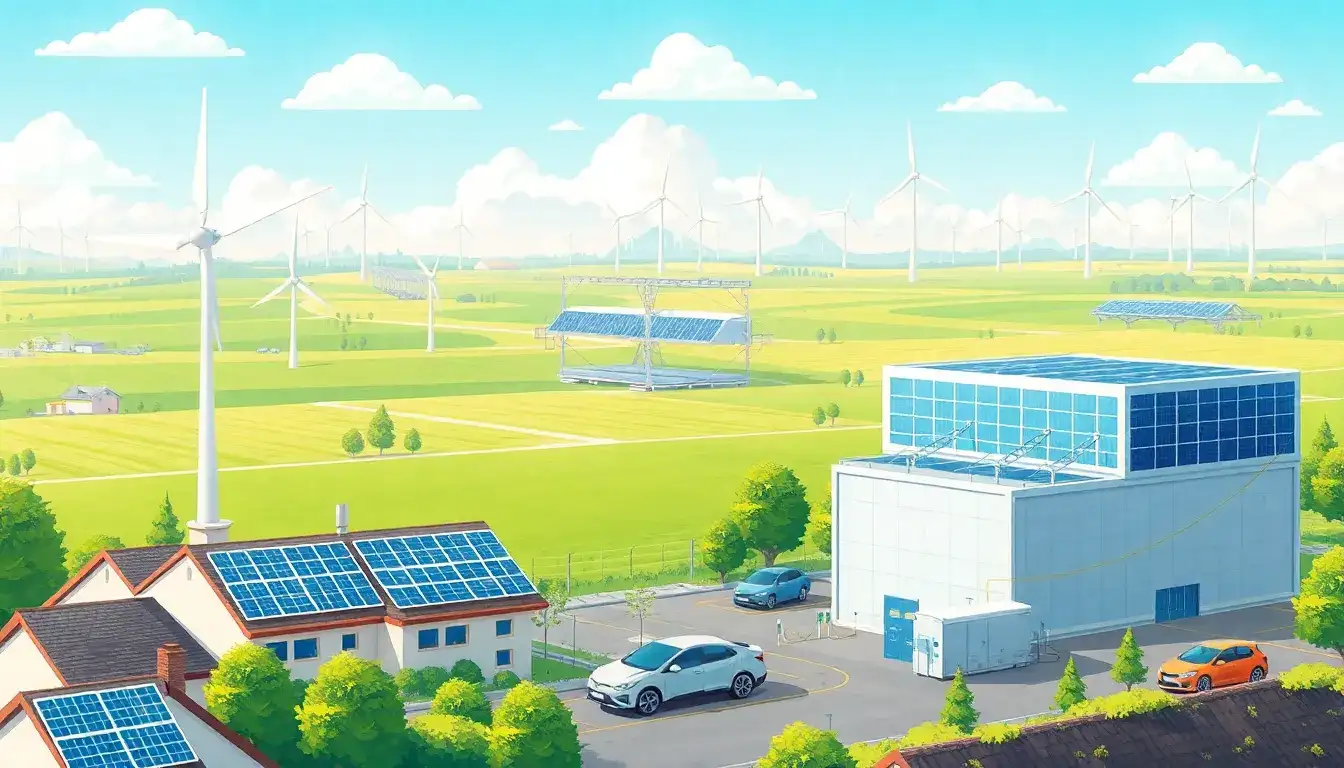
Battery Energy Storage Systems (BESS)
Battery Energy Storage Systems (BESS) integrate with existing renewable energy systems primarily by addressing the intermittent and variable nature of renewables like solar and wind. Here is how they do so in detail:
Integration Mechanisms
- Energy Time-Shifting: BESS store excess energy generated during peak production times, such as sunny or windy periods, and release it when renewable generation is low or demand is high. This capability smooths out the variability and intermittency inherent in renewables, ensuring a consistent and reliable power supply.
- Grid Stability and Ancillary Services: Battery systems provide fast-response capabilities critical for grid stability, such as frequency regulation and load following, compensating for rapid fluctuations in renewable power output or changes in demand. This role helps reduce reliance on fossil-fuel peaking power plants and prevents blackouts by balancing supply and demand dynamically.
- Hybrid Systems and Grid Support: BESS are often coupled with solar photovoltaic (PV) plants or wind farms to form hybrid systems, which maximize the utilization of renewable resources. These hybrids can also improve overall plant flexibility and provide additional grid services by smoothing output ramps and enhancing power quality.
Applications Across Scales
- Utility-Scale (Front-of-the-Meter): Large battery installations (typically >10 MWh) are integrated with utility grids to balance large volumes of renewable energy, defer infrastructure investments, and provide ancillary services. This segment grows rapidly due to its significant impact on grid performance and renewable integration.
- Commercial and Industrial Behind-the-Meter: BESS help businesses manage energy costs by peak shaving, optimizing self-consumption of onsite renewables, and providing backup power in case of outages. They also support electric vehicle charging infrastructure and replace or supplement less environmentally friendly backup systems like diesel generators.
- Residential Systems: Smaller-scale BESS paired with rooftop solar help homeowners increase energy self-sufficiency, lower peak demand charges, and reduce grid dependency, contributing to decentralized renewable energy adoption.
Benefits of Integration
- Maximizing Renewable Utilization: By storing surplus renewable energy that would otherwise be curtailed or wasted, BESS enable higher penetration levels of renewables on the grid.
- Reducing Carbon Emissions: BESS reduce reliance on fossil fuel generators used for balancing, cutting greenhouse gas emissions and supporting sustainability goals.
- Economic Savings and Grid Efficiency: BESS can lower energy costs over time by optimizing energy use, delaying grid upgrades, and participating in energy markets through grid services.
Challenges and Future Trends
- While the costs of battery storage are falling, initial installation and maintenance expenses remain a barrier to widespread adoption.
- Emerging technologies like solid-state and flow batteries promise higher energy density, longer life, and better safety, which will further improve integration with renewables.
- Policy and market incentives are increasingly supporting BESS deployment, helping overcome technical and economic challenges.
Example
The Beach Battery project in The Hague, Netherlands, integrates battery storage with solar energy to power local infrastructure. It stores surplus solar energy during sunny periods and provides power during high demand or low generation intervals, illustrating practical renewable-BESS synergy.
In summary, battery energy storage systems seamlessly integrate with renewable energy by storing excess clean power, managing supply intermittency, stabilizing the grid, and enabling higher renewable penetration across utility, commercial, and residential scales. This integration is central to transitioning toward a sustainable and resilient energy future.
Original article by NenPower, If reposted, please credit the source: https://nenpower.com/blog/how-do-battery-energy-storage-systems-integrate-with-existing-renewable-energy-systems/

