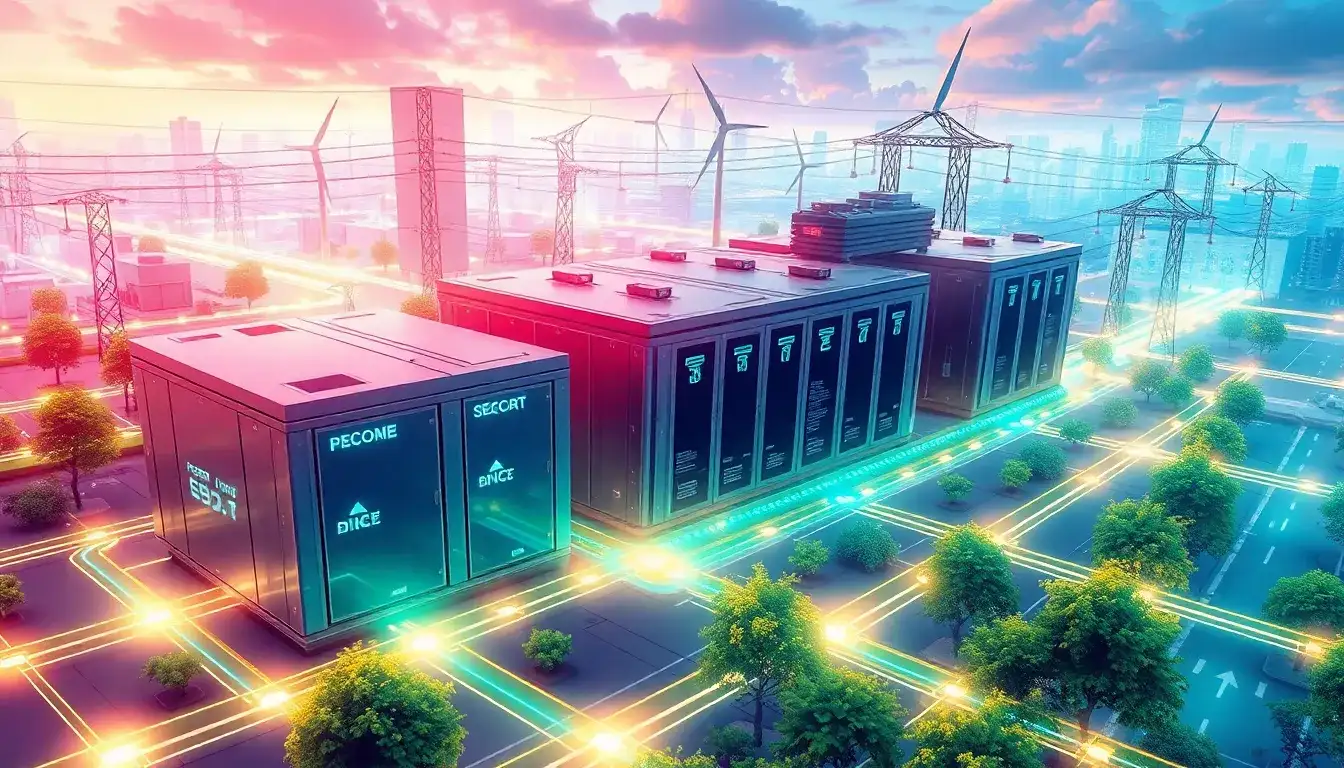
Battery Energy Storage Systems (BESS) significantly improve grid resilience and stability through multiple essential functions that help the power grid withstand and quickly recover from disruptions, manage fluctuations, and maintain reliable electricity delivery.
Key Ways BESS Enhance Grid Resilience and Stability
1. Peak Capacity Management and Demand Shifting
BESS store excess energy when demand is low and discharge it during peak demand times or emergencies, effectively “time-shifting” electricity. This helps reduce reliance on expensive and polluting peaker plants, lowers emissions, and provides cost savings to utilities and consumers while stabilizing the grid under high load conditions.
2. Voltage and Frequency Support
Energy storage systems provide reactive power to regulate voltage levels and participate in frequency control, which is crucial for maintaining power quality and preventing equipment damage. This is especially helpful in grids with a high share of variable renewable energy sources like solar and wind, where output can fluctuate rapidly due to weather changes. BESS smooths these fluctuations, improving overall grid stability and reducing maintenance costs.
3. Black Start Capability
After a major outage, restarting the grid requires external power sources to “black start” generators and grid infrastructure. Large battery systems can supply this initial energy quickly and cleanly, enabling faster grid restoration without relying on diesel generators, thus enhancing recovery speed and resilience after widespread power failures.
4. Backup Power and Microgrid Integration
BESS integrated with microgrids allow localized, independent operation during utility grid outages (“islanding”), providing continuous power to critical facilities like hospitals, military bases, and emergency services. This decentralized power generation and storage enhance community resilience by ensuring reliable energy even during large-scale disruptions.
5. Cybersecurity and Grid Protection
Modern battery storage systems incorporate advanced cybersecurity measures, including encrypted communication and continuous monitoring, to protect against the increasing threat of cyberattacks. This security-first approach helps maintain grid integrity and operational reliability in an evolving threat landscape.
6. Enabling Renewable Energy Integration
By smoothing intermittent renewable generation and storing surplus clean energy, BESS facilitate higher penetration of renewables without compromising grid reliability. This support not only stabilizes supply but also advances decarbonization goals, contributing to a more sustainable and resilient energy future.
7. Rapid Response to Grid Disturbances
BESS can respond in milliseconds to grid instability, providing a “cushion effect” that absorbs shocks from sudden demand spikes or supply drops. An example is the Hornsdale Power Reserve in Australia, which has saved millions by mitigating grid instability through rapid intervention.
These combined functionalities make battery energy storage systems a cornerstone of modern resilient grids by addressing variability, outages, and security threats while supporting the transition to renewable energy. Investments in BESS are increasingly seen as critical to guaranteeing energy security, economic stability, and reliable power delivery in the face of growing climate challenges and evolving grid demands.
Original article by NenPower, If reposted, please credit the source: https://nenpower.com/blog/how-do-battery-energy-storage-systems-improve-grid-resilience-and-stability/