

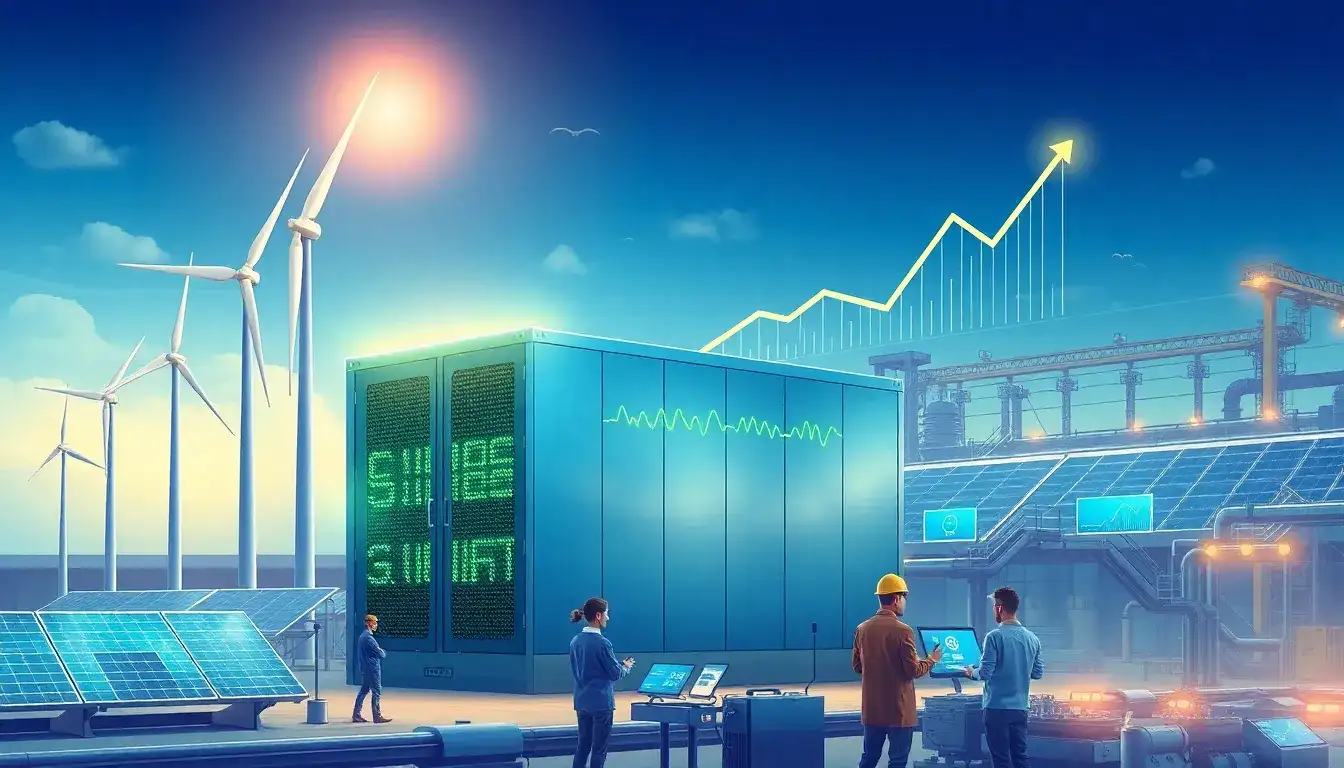
Battery energy storage systems (BESS) significantly reduce energy costs for industrial consumers through multiple mechanisms, supported by declining technology costs and operational efficiencies:
Cost-Reduction Mechanisms
- Peak Shaving: BESS discharges stored energy during high-demand periods, reducing reliance on expensive grid electricity during peak pricing. This directly lowers demand charges, which can constitute a substantial portion of industrial electricity bills.
- Example: McKinsey estimates BESS can reduce energy costs by up to 80% for industrial users in regions with high demand charges, such as Germany and the U.S.
- Load Shifting: Energy is stored during low-cost off-peak periods and used during peak hours, avoiding premium utility rates.
- Case Study: Texas BESS deployments saved consumers $750 million in energy costs during summer 2024 by managing peak demand.
- Integration with Renewables: BESS stabilizes intermittent solar/wind output, allowing industrial facilities to maximize self-consumption of cheaper renewable energy and reduce grid dependence.
- Co-locating solar with storage improves system efficiency and enables cost-sharing on infrastructure.
- Backup Power Reliability: Reduces financial losses from outages, which cost billions annually in spoiled goods, downtime, and equipment damage.
Cost Trends and Projections
- Declining Capital Costs:
- 2022: ~$482/kWh for 4-hour systems.
- 2030: Projected to drop to $245–403/kWh; 2050: $159–348/kWh (NREL).
- Balance-of-system (BOS) and installation costs are also falling, driven by standardized designs and economies of scale.
- Payback Period:
- Shrinking rapidly as hardware costs decline and energy arbitrage opportunities grow. For example, payback for a 4-hour BESS can become viable within 5–7 years under favorable tariff structures.
Additional Benefits
- Demand Charge Mitigation: Smoothing peak demand reduces exposure to punitive utility tariffs.
- Grid Service Revenue: Industrial users may earn income by providing frequency regulation or capacity services to the grid.
- Sustainability Compliance: Lowers carbon footprints by displacing fossil-fuel peaker plants, aligning with ESG goals.
Challenges
- Upfront Costs: High initial investment remains a barrier, though financing models (leasing, PPAs) are improving accessibility.
- Battery Degradation: Lifespan limitations (e.g., cycle life) necessitate eventual replacement, impacting long-term ROI.
- Safety and Recycling: Thermal risks and end-of-life management require robust protocols.
In summary, BESS offers industrial consumers a path to lower energy expenditures, enhanced grid resilience, and renewable energy adoption, with costs projected to decline further through 2050.
Original article by NenPower, If reposted, please credit the source: https://nenpower.com/blog/how-do-battery-energy-storage-systems-impact-the-overall-cost-of-energy-for-industrial-consumers/

