

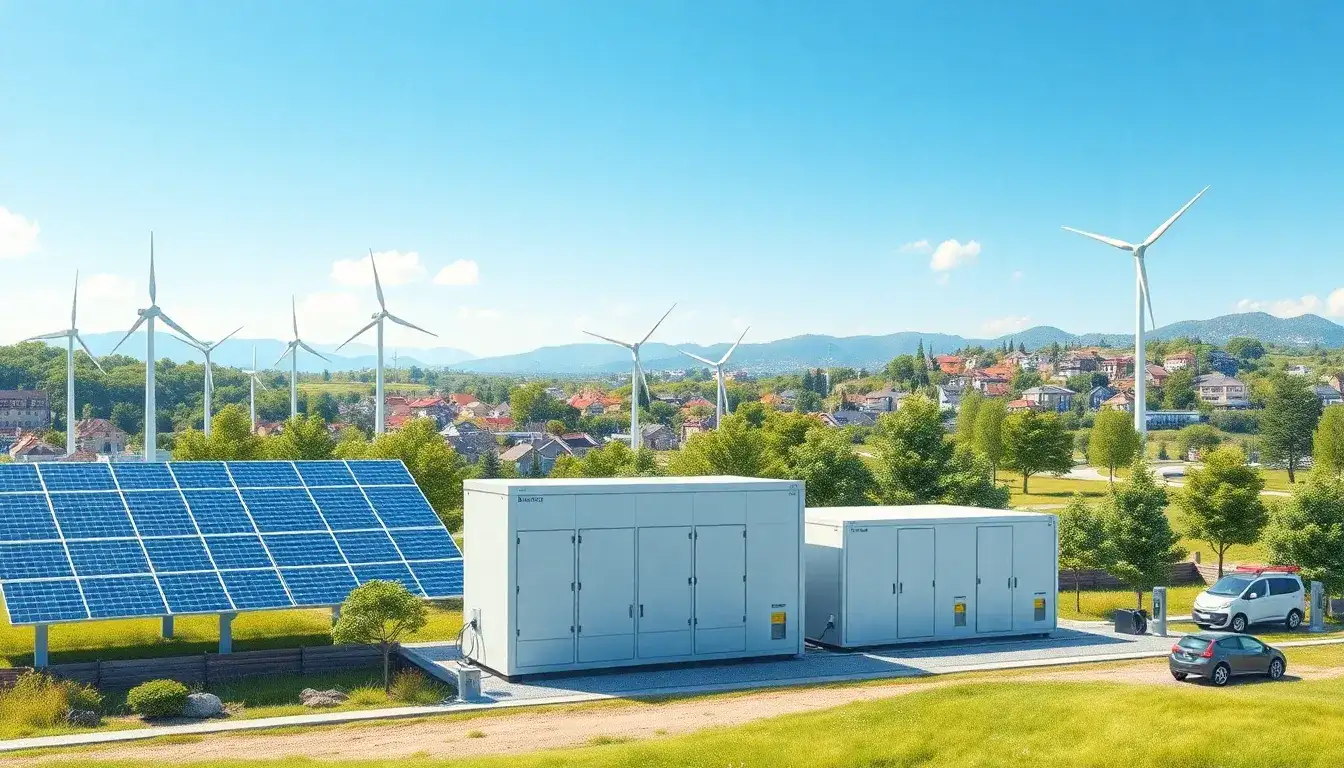
Battery energy storage systems (BESS) help reduce carbon footprints mainly by enabling greater integration and utilization of renewable energy sources, improving grid efficiency, and optimizing electricity consumption to lower emissions. Here is a detailed explanation of how BESS contribute to carbon footprint reduction:
How Battery Energy Storage Systems Reduce Carbon Footprints
1. Enabling Greater Use of Renewable Energy
- BESS store excess electricity generated from renewable sources like solar and wind during periods of low demand or high renewable output (e.g., daytime solar peaks). This stored clean energy can then be discharged during periods of high demand or low renewable generation (e.g., evening peaks), reducing reliance on fossil fuel power plants such as natural gas peaker plants.
- By shifting renewable energy use from when it is generated to when it is needed, BESS smooth out the variability and intermittency of renewables, allowing a higher penetration of clean energy on the grid.
- For example, California’s grid-scale batteries charged with excess solar power have started to displace natural gas plants during peak periods, contributing to the state’s carbon-free electricity goals.
2. Reducing Carbon Intensity of Electricity Consumption
- BESS can be controlled with smart algorithms and software that charge the battery when grid carbon intensity is low (e.g., overnight or when renewable output is high) and discharge when carbon intensity is high (e.g., peak demand times).
- This strategic charging/discharging approach takes advantage of hourly and daily fluctuations in grid carbon emissions, effectively lowering the carbon emissions associated with electricity consumption.
- As an illustration, in the UK, charging a 1MW battery overnight when carbon intensity is low can save approximately 10,000 kg of CO₂ annually compared to charging during peak times.
3. Enhancing Grid Stability and Efficiency
- BESS help balance supply and demand on the grid, reducing the need for inefficient and carbon-intensive peaker plants that operate only during high demand but produce high emissions.
- This demand-side management lowers waste and improves overall energy efficiency, contributing to a cleaner electricity supply system.
4. Complementing On-site Renewable Generation and Microgrids
- When paired with on-site renewable energy systems (e.g., solar panels), BESS allow storage of generated electricity for later use, reducing reliance on grid electricity that may have a higher carbon footprint.
- This can transform a site into a smart microgrid capable of operating independently or in a low-carbon mode, further reducing carbon emissions associated with grid supply.
Important Considerations
- The emissions reduction benefit of BESS strongly depends on how and when they operate. Without control strategies that consider grid carbon intensity, some batteries might inadvertently increase emissions by charging during high-emission periods and discharging at less optimal times.
- For example, in Texas (ERCOT market), 92% of batteries in 2023 increased grid emissions due to lack of carbon-aware operation, whereas batteries optimized with carbon signals reduced emissions significantly.
- Lifecycle emissions from battery manufacturing and disposal exist, but advances in production methods and second-life battery reuse are reducing these impacts considerably. When powered by renewable energy sources, lifecycle carbon footprints of battery storage systems remain substantially lower than fossil fuel alternatives.
Summary Table
| Benefit of Battery Energy Storage Systems | Explanation |
|---|---|
| Increased renewable energy utilization | Store excess renewables for use during peak demand, replacing fossil generation |
| Carbon intensity-aware charging | Charge during low-carbon periods, discharge during high-carbon periods to reduce net emissions |
| Grid stabilization and efficiency | Reduce reliance on high-emission peaker plants, lower energy waste |
| Support for on-site renewables and microgrids | Enable self-consumption of clean energy and reduce grid dependency |
| Lifecycle environmental benefits | Reduced production emissions via improved technology and battery second-life use |
In conclusion, battery energy storage systems reduce carbon footprints by strategically storing and dispatching electricity to maximize clean energy use, reduce peak fossil fuel generation, and enhance overall grid efficiency. Their full potential is realized when integrated with intelligent control systems that optimize operation based on actual grid carbon emissions, enabling significant decarbonization of the power sector.
Original article by NenPower, If reposted, please credit the source: https://nenpower.com/blog/how-do-battery-energy-storage-systems-help-reduce-carbon-footprints/

