

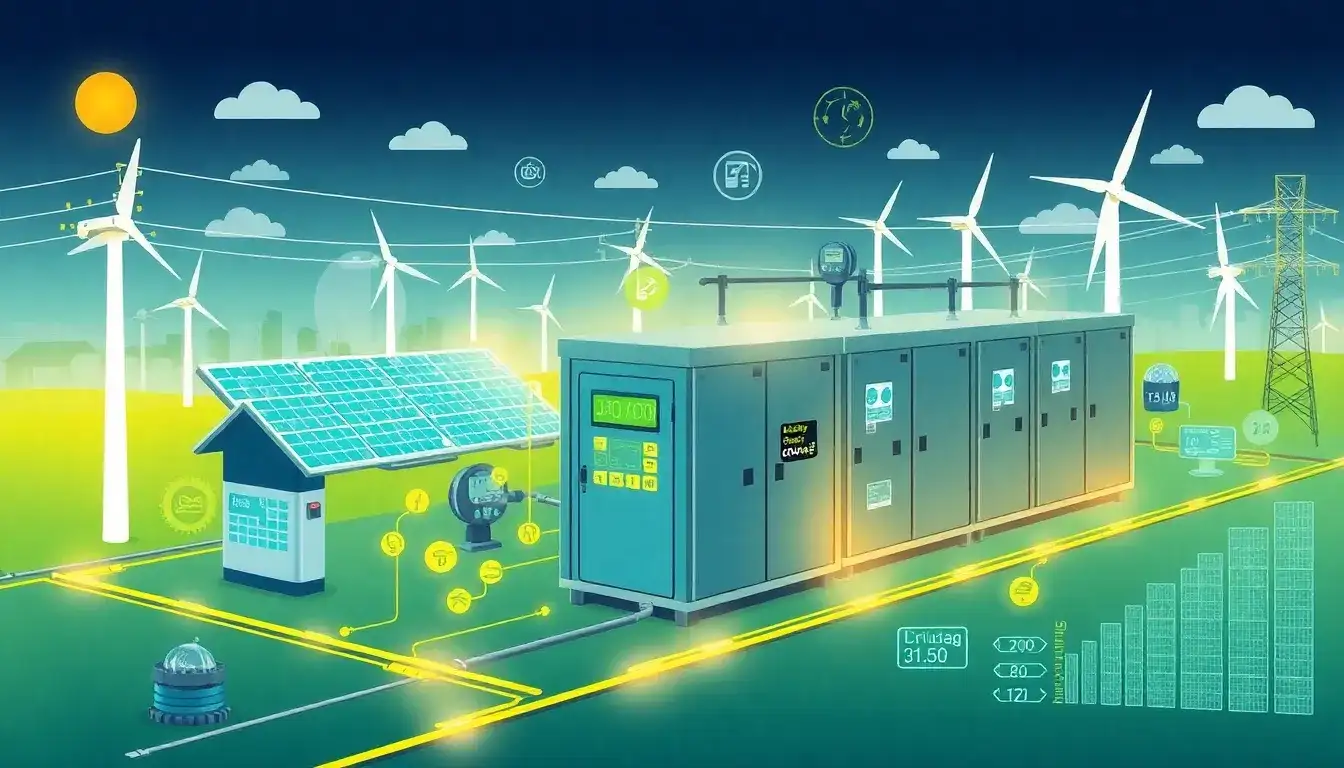
Battery energy storage systems (BESS) help prevent grid overload through several key mechanisms:
Dynamic Grid Stabilization and Voltage Regulation
- BESS can respond within milliseconds via power inverters to absorb or inject reactive power dynamically on the distribution network. This smooths out localized voltage sags and swells, preventing minor fluctuations from cascading into larger outages or grid instability.
- By stabilizing voltage, BESS maintain consistent power quality during times of fluctuating demand or variable renewable energy output, which are common causes of grid overload conditions.
Balancing Supply and Demand
- Battery storage strategically absorbs surplus renewable energy when generation exceeds demand (e.g., midday solar peaks) and releases it during peak demand periods such as evenings. This load shifting reduces stress on the grid by flattening peaks and filling valleys in electricity usage, preventing overloads caused by a mismatch between supply and demand.
- Machine learning and energy management systems optimize when batteries charge and discharge, ensuring the grid is not overwhelmed during high-demand intervals and that clean energy is not wasted.
Grid Congestion Mitigation and Load Management
- BESS integrated with energy management systems (EMS) help mitigate grid congestion by optimizing energy flows, enabling load shifting, and by integrating distributed energy resources. This reduces bottlenecks and distributes electricity more efficiently across the grid, preventing localized overloads.
- During grid congestion, EMS and BESS can remotely control and shed loads dynamically, adjusting consumption patterns in real time to keep the grid stable and prevent overload events.
Protection During Outages and Overload Conditions
- In the event of grid outages, home or facility-scale batteries with smart load management can prevent battery overload by temporarily reducing power to non-critical appliances. This ensures that the battery does not become overwhelmed and helps maintain a stable power supply while the grid is down.
Technical Components Supporting Grid Stability
- BESS include power electronics (inverters and converters) that manage energy flows seamlessly, ensuring that the stored DC power is synchronized and efficiently returned to the AC grid. This precise control helps maintain grid frequency and phase balance, which is critical in preventing overloads.
- Safety and thermal management systems protect batteries from faults that could otherwise exacerbate grid disturbances.
Summary Table: How BESS Prevent Grid Overload
| Function | How It Helps Prevent Grid Overload |
|---|---|
| Voltage Regulation | Absorbs/injects reactive power to smooth voltage fluctuations. |
| Supply-Demand Balancing | Stores excess energy; releases during peak demand to flatten peaks. |
| Congestion Mitigation | EMS controls loads, shifts energy, and optimizes flows to prevent bottlenecks. |
| Overload Protection During Outages | Smart load management reduces risk of battery overloads. |
| Power Electronics & Control | Synchronizes power flow with grid to maintain frequency/phase balance. |
In effect, battery energy storage systems act as a buffer and a fast-response control asset that dynamically stabilizes the grid, mitigates voltage instability, manages load peaks, and prevents localized or widespread grid overloads by intelligently storing and dispatching electricity when needed. This capability is increasingly vital as renewable energy penetration and electrification of transport and heating increase demand variability and potential overload risk on the grid.
Original article by NenPower, If reposted, please credit the source: https://nenpower.com/blog/how-do-battery-energy-storage-systems-help-in-preventing-grid-overload/

