

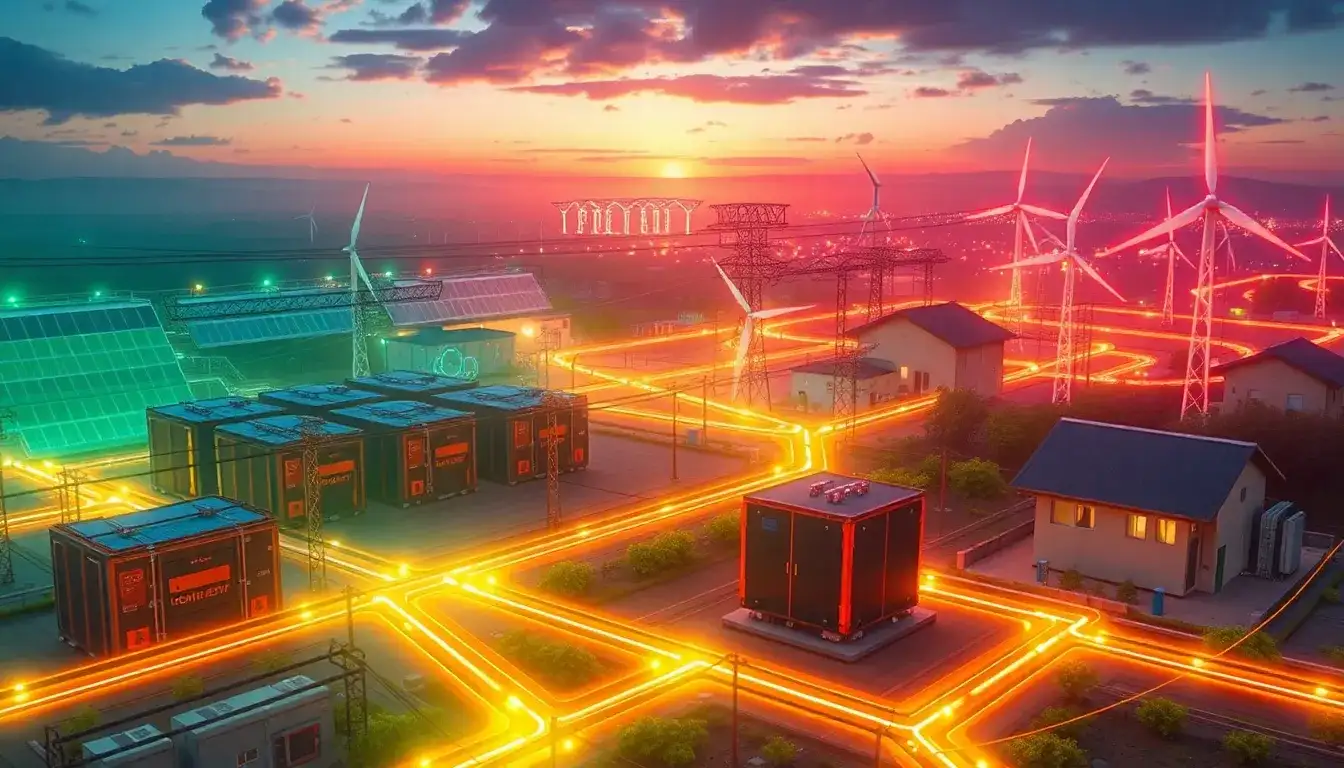
Battery energy storage systems (BESS) play a crucial role in balancing supply and demand on the electricity grid, particularly as the integration of renewable energy sources increases. Here’s how they help:
Balancing Supply and Demand
- Storing Excess Energy: During periods of high energy production from renewable sources like solar or wind, BESS can store excess energy. This energy can then be discharged when demand is higher and supply might be lower, preventing waste and helping maintain a stable energy supply.
- Frequency Regulation: The grid’s frequency must be kept within a narrow range for stability. BESS can rapidly respond to changes in frequency, charging during over-supply and discharging during shortages to maintain grid stability.
- Peak Shaving and Arbitrage: By storing energy during off-peak hours when prices are lower and discharging it during peak hours when prices are higher, BESS helps reduce the strain on the grid during peak demand periods. This strategy also allows users to benefit from lower electricity costs or generate revenue by selling energy back to the grid.
- Grid Balancing Services: BESS can provide ancillary services such as frequency response and reserve services. These services help the grid operator balance supply and demand in real time, preventing power outages and ensuring grid resilience.
- Reducing Reliance on Peaker Plants: BESS can offset the need for fossil fuel-based peaking power plants by providing stored energy during peak demand periods. This reduces reliance on polluting sources and helps transition to cleaner energy systems.
Revenue Generation
BESS can also generate revenue by participating in grid services. Energy aggregators help BESS owners access various energy markets, such as ancillary services and wholesale markets, to maximize revenue potential.
In summary, BESS enhances grid stability by storing excess renewable energy, providing rapid frequency response, and offering strategic energy release to manage peak demands, all while generating potential revenue streams for their owners.
Original article by NenPower, If reposted, please credit the source: https://nenpower.com/blog/how-do-battery-energy-storage-systems-help-balance-supply-and-demand-on-the-grid/

