

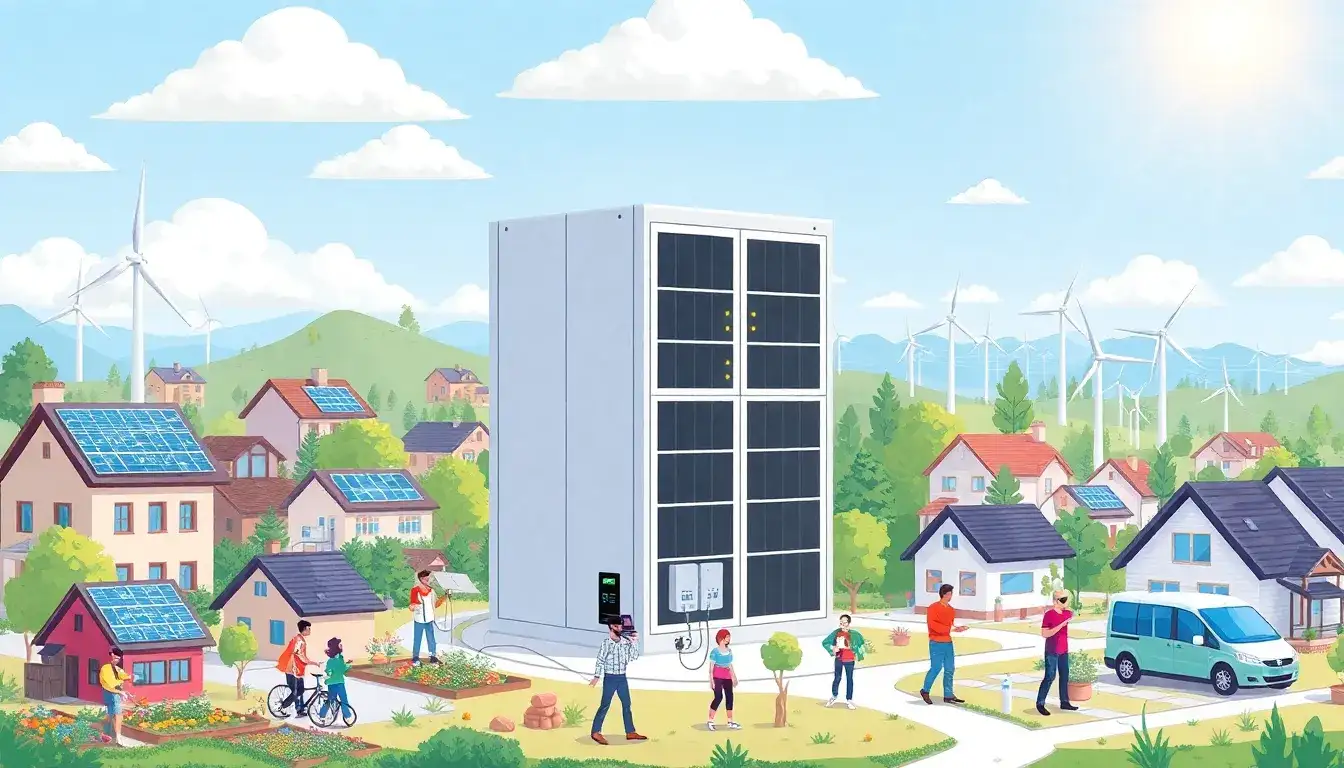
Battery energy storage systems (BESS) significantly contribute to energy independence for communities by enabling efficient storage and use of locally generated energy, primarily from renewable sources like solar and wind. Here is how BESS foster energy independence at the community level:
Key Contributions of Battery Energy Storage Systems to Energy Independence
- Maximizing Use of Renewable Energy
BESS store excess energy produced during periods of high renewable generation—such as sunny or windy days—and release it during times of low production or high demand, reducing reliance on the electrical grid. For instance, solar energy generated midday can be stored and used during evening peak hours when solar panels are not producing. This ensures communities can use more locally sourced clean energy rather than drawing power from external, often fossil-fuel-based, sources. - Providing Reliable Backup Power
During grid outages caused by weather events or other disruptions, BESS can instantly supply power to critical community infrastructure and homes, maintaining essential services and improving resilience. This backup capability increases energy security and mitigates impacts from unreliable or aging grid infrastructure. - Cost Savings and Grid Stabilization
By charging batteries during off-peak hours when electricity is cheaper and discharging during peak hours, BESS help communities reduce energy costs. They also contribute to grid stability by smoothing demand fluctuations, reducing the need for expensive and polluting peaker plants, and easing demand on transmission networks. - Supporting Local Economic Growth and Energy Jobs
Deployment of BESS projects brings economic benefits such as job creation, tax revenue, and infrastructure improvements in communities, thereby supporting local economies while advancing energy independence objectives. - Enhancing Grid Resilience and Energy Security
At larger scales, thousands of BESS installations help balance supply and demand dynamically, enabling a reliable, abundant, and renewable-powered grid. This reduces dependency on centralized power plants and fossil fuels, which are vulnerable to fuel supply issues and price volatility. - Environmental and Sustainability Benefits
BESS facilitate higher renewable energy penetration, reducing carbon emissions and supporting sustainability goals. Responsible recycling and end-of-life management of battery systems further enhance the environmental benefits for communities.
Summary Table of BESS Contributions to Community Energy Independence
| Contribution | Description | Impact on Communities |
|---|---|---|
| Renewable Energy Utilization | Store excess renewable power for later use | Less grid dependence, more clean energy use |
| Backup Power During Outages | Instant power backup to critical loads during grid failures | Improved resilience, reliability |
| Cost Savings | Charge during low-rate times, discharge at peak demand | Lower energy bills |
| Grid Stabilization | Smooth demand peaks, reduce transmission congestion | Enhanced grid reliability |
| Economic Benefits | Job creation, tax revenue, infrastructure investments | Local economic growth |
| Environmental Sustainability | Enables more renewables, reduces emissions, promotes recycling | Cleaner environment, sustainable future |
In conclusion, battery energy storage systems empower communities to generate, store, and manage energy more independently and sustainably. They reduce reliance on centralized grids, improve resilience to outages, lower energy costs, and support local economies — all key elements driving energy independence today and into the future.
Original article by NenPower, If reposted, please credit the source: https://nenpower.com/blog/how-do-battery-energy-storage-systems-contribute-to-energy-independence-for-communities/

